

What's Happening?
WWE, under the TKO Group Holdings umbrella, is experiencing record financial success, but recent developments have raised questions about the company's priorities concerning its fanbase. One key issue involves the reported opposition from influential
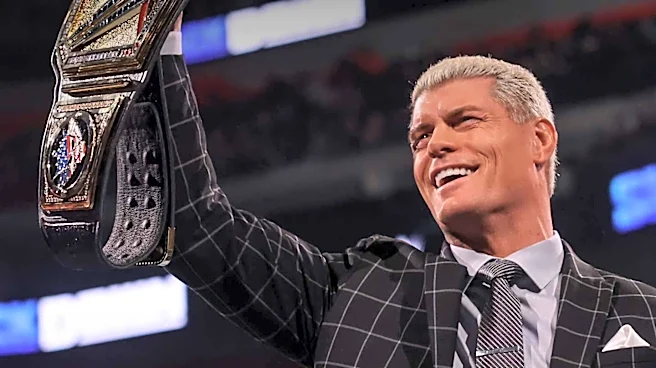
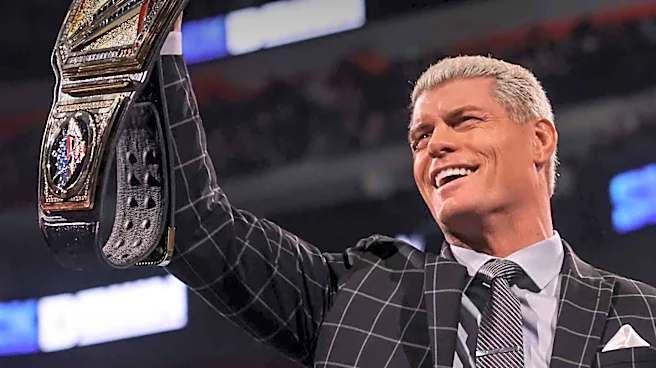
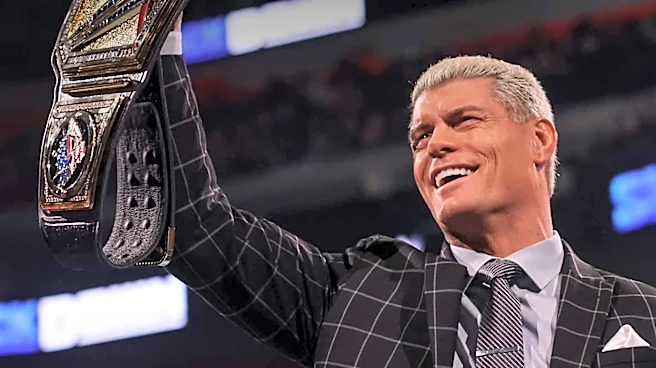
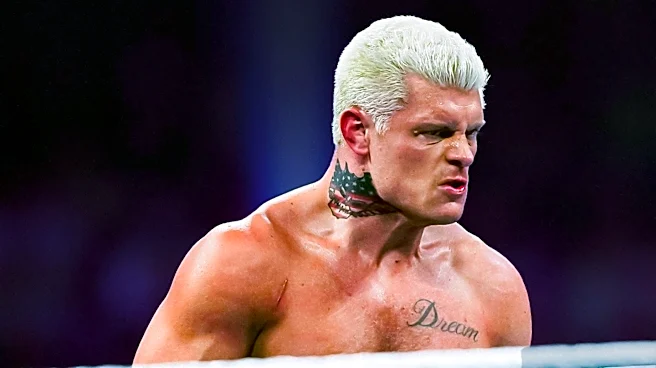
figures within TKO to a potential 'heel turn' for top star Cody Rhodes. Rhodes, a major merchandise seller and the current face of the company, has expressed openness to such a creative shift and even interest in working with Paul Heyman. However, TKO's reported stance suggests a reluctance to risk merchandise sales and corporate partnerships. Additionally, WWE President Nick Khan recently addressed the company's ticket pricing strategy, stating that premium seats are priced as high as possible for wealthy customers, while cheaper tickets are priced to deter third-party brokers from reselling them at a profit. This strategy, while aimed at maximizing revenue and combating scalping, has drawn criticism for potentially making live events unaffordable for average families.
Why It's Important?
These developments highlight a growing tension between WWE's financial objectives and its traditional relationship with its fanbase. The reported interference in creative decisions, particularly regarding a major star like Cody Rhodes, could stifle storytelling innovation. Historically, bold creative risks, such as Hulk Hogan's heel turn, have led to some of professional wrestling's most profitable and memorable eras. Prioritizing merchandise sales over compelling narratives might lead to a more predictable product, potentially alienating long-term fans who value dynamic character development. Furthermore, the ticket pricing strategy, while financially sound for the company, risks pricing out a significant portion of its audience. Professional wrestling has historically been accessible entertainment, and making it unaffordable for families could erode its grassroots support and future audience development, impacting its cultural relevance and long-term sustainability.
What's Next?
The ongoing debate within TKO regarding Cody Rhodes' potential heel turn will likely continue to be a point of discussion among fans and industry observers. Future creative decisions involving top stars will be closely watched to see if business considerations consistently override creative risks. WWE may face increasing pressure from its fanbase to balance revenue generation with creative freedom and fan accessibility. The company's approach to ticket pricing could also evolve, potentially leading to new strategies to make events more affordable for families while still combating scalping. Stakeholders, including wrestling journalists and fan communities, will continue to scrutinize WWE's decisions, particularly as the company navigates its financial success and its commitment to the art form of professional wrestling.
Beyond the Headlines
The current situation in WWE reflects a broader trend in entertainment industries where corporate consolidation and the pursuit of maximum revenue can clash with artistic integrity and audience accessibility. The tension between protecting established revenue streams (like merchandise sales) and taking creative risks is a common challenge for large entertainment entities. This dynamic raises questions about the long-term health of creative industries when financial metrics become the primary drivers of decision-making. If WWE continues to prioritize short-term financial gains over creative evolution and fan affordability, it could inadvertently diminish the very passion that fuels its success. The ethical implications of pricing out a significant portion of a loyal fanbase also come into play, potentially transforming a widely accessible form of entertainment into a luxury experience, which could alter its cultural identity and appeal.