








What's Happening?
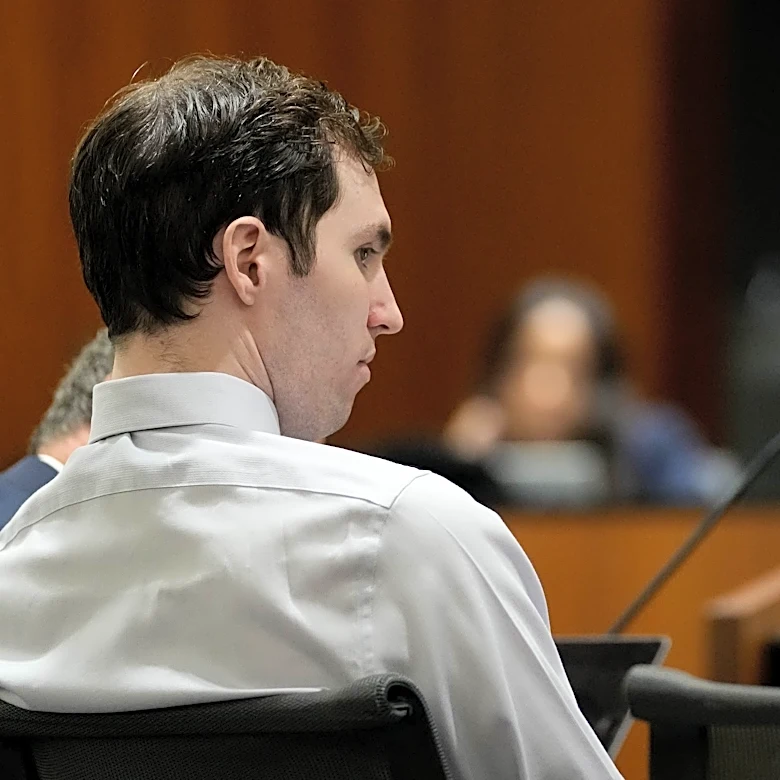
Kerr Kriisa, a former college basketball player who played for teams including Arizona, West Virginia, Kentucky, and Cincinnati, has been indicted by the Northern District of West Virginia. The indictment accuses Kriisa of orchestrating a $2.2 million
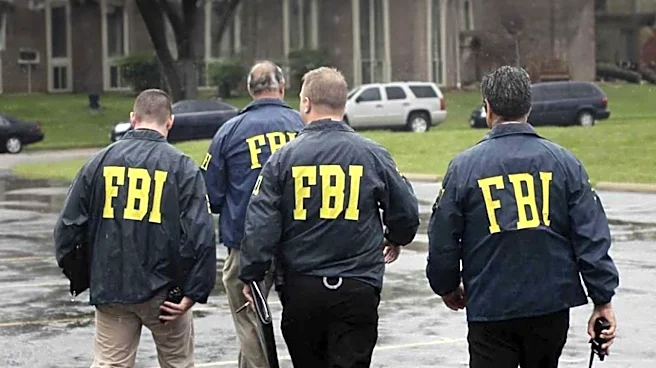
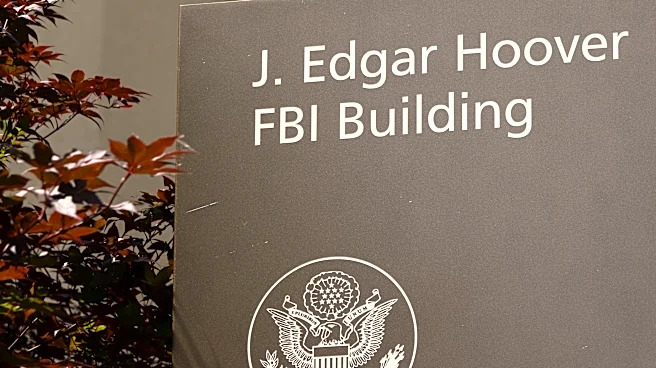
fraud scheme. According to the United States Department of Justice, Kriisa allegedly used false representations, fabricated identities, and deceptive communications to defraud at least two victims. The scheme reportedly involved Kriisa falsely claiming that he and his family were in imminent danger unless a victim paid a debt. He allegedly used a false identity, 'Irene,' to facilitate the fraud. Kriisa, originally from Estonia, played basketball in Lithuania and Germany before moving to the U.S. His college career included a stint at Arizona, where he began the alleged scheme in 2022. He was arrested by the FBI last week, and the government is seeking judgment equal to the alleged proceeds from the scheme.
Why It's Important?
The indictment of Kerr Kriisa highlights significant issues related to fraud and deception in the sports industry. This case underscores the potential for individuals to exploit their positions and relationships for financial gain, raising concerns about the integrity of athletes and the systems in place to monitor their conduct. The allegations against Kriisa could have broader implications for college sports, particularly in terms of how institutions vet and monitor athletes. The case also reflects the ongoing challenges faced by law enforcement in tracking and prosecuting complex fraud schemes that involve multiple jurisdictions and sophisticated methods of deception. If proven guilty, Kriisa's actions could lead to increased scrutiny and regulatory measures within collegiate athletics to prevent similar incidents.
What's Next?
As the legal proceedings against Kerr Kriisa unfold, the focus will likely be on the evidence presented by the prosecution and the defense's response. The outcome of this case could influence future policies regarding athlete conduct and compliance in college sports. Stakeholders, including college athletic departments and regulatory bodies, may consider implementing stricter oversight and educational programs to prevent fraud. Additionally, the case may prompt discussions about the responsibilities of colleges in monitoring the off-court activities of their athletes. The legal process will determine whether Kriisa is found guilty and what penalties he may face, potentially including restitution and imprisonment.