



What's Happening?
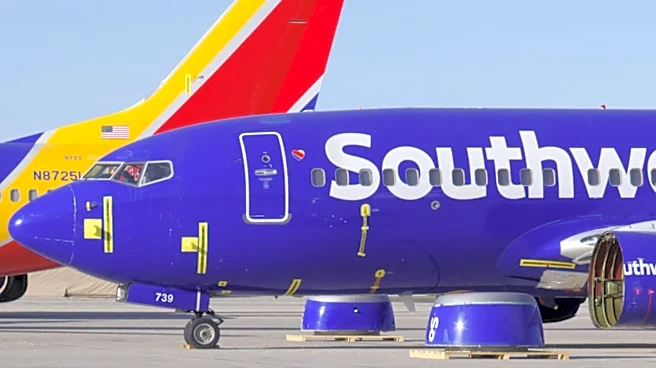
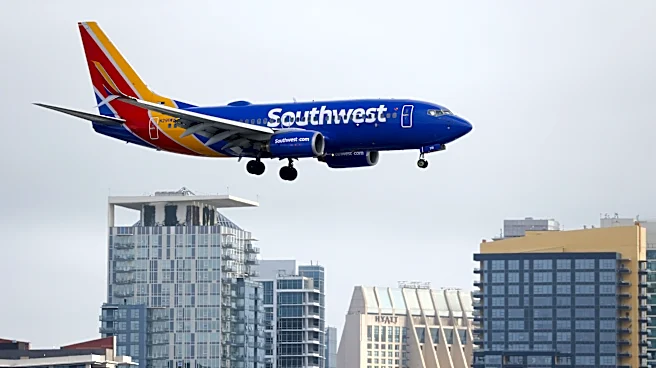
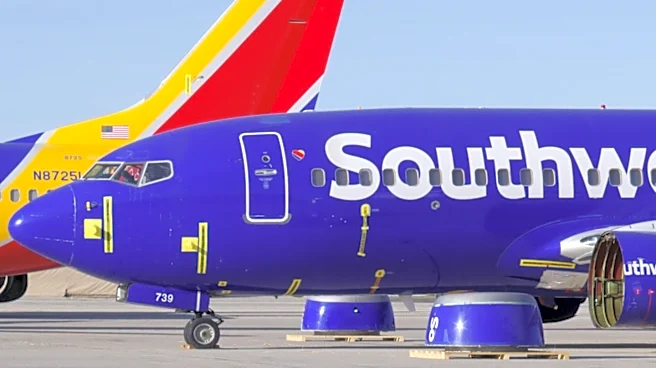
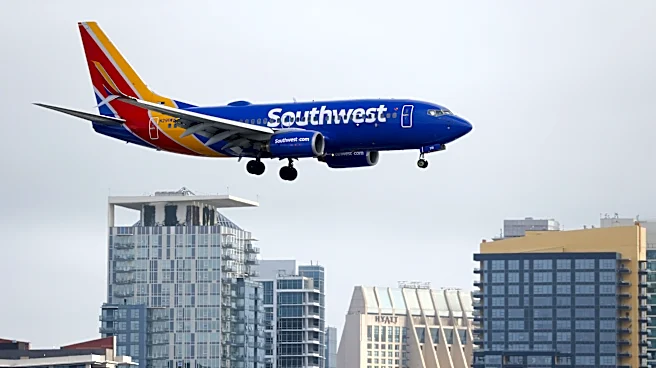
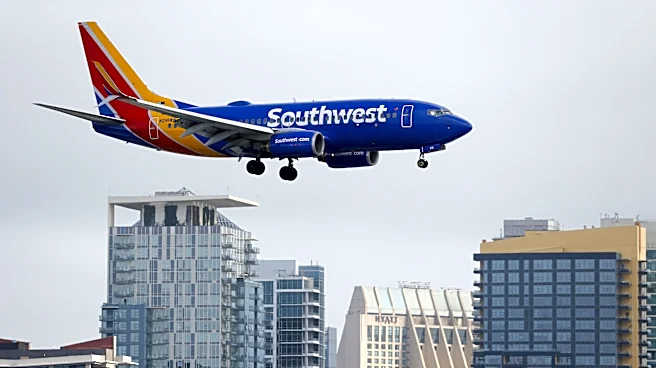
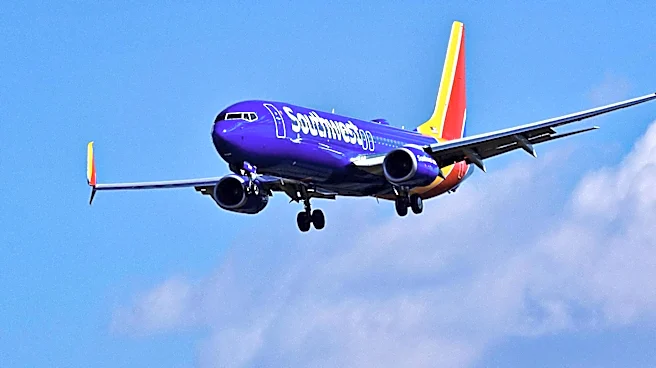
Southwest Airlines CEO Bob Jordan is under increased scrutiny following a series of significant changes at the airline and a leadership overhaul. In October 2024, Elliott Investment Management, which had acquired an approximately $1.9 billion stake in Southwest,
demanded board and leadership changes. This led to a settlement where five of Elliott’s nominees joined the board, and longtime chairman Gary Kelly departed early. Bob Jordan retained his position as CEO. These changes coincided with the airline ending its 'Bags Fly Free' policy for tickets booked after May 28, 2025, and increasing bag fees again for tickets booked after April 9, 2026. Additionally, open seating, a long-standing Southwest tradition, ended on January 27, 2026, replaced by assigned seating and fare tiers. Jordan's reported pay also increased to $16.6 million in fiscal 2025, up from $10.6 million in 2024 and $9.3 million in 2023.
Why It's Important?
These developments are significant for the U.S. airline industry and its consumers. Southwest Airlines, historically known for its unique customer-friendly policies like free checked bags and open seating, is now aligning more closely with the practices of other major carriers. This shift could impact customer loyalty, particularly among those who chose Southwest specifically for these differentiators. The involvement of an activist investor like Elliott Investment Management highlights the increasing pressure on airline executives to prioritize financial performance, potentially at the expense of long-standing brand values. The changes could lead to a more standardized airline experience across the industry, reducing competitive differentiation based on service models. For consumers, this means fewer options for 'free' services, potentially increasing overall travel costs and altering their perception of value from Southwest.
What's Next?
Southwest Airlines will likely continue to implement its new operational and pricing strategies, including assigned seating and tiered fares. The airline will need to manage customer reactions to these changes, which have already included public dissatisfaction, such as the viral incident involving a broken stroller. The long-term impact on Southwest's market share and customer loyalty will become clearer as these policies become fully entrenched. Other airlines may observe Southwest's experience to gauge the viability of similar changes or to capitalize on any customer dissatisfaction. Bob Jordan's leadership will be continuously evaluated based on the financial outcomes and customer sentiment resulting from these strategic shifts. Elliott Investment Management has reduced its direct stake, but the changes it advocated for are now firmly in place under Jordan's leadership.
Beyond the Headlines
The transformation at Southwest Airlines reflects a broader trend in the U.S. business landscape where activist investors can significantly influence corporate strategy, even for companies with strong brand identities. This situation raises questions about the balance between shareholder value and customer experience, and whether a company's core differentiators can be sacrificed for short-term financial gains. The ethical implications of increasing executive compensation while simultaneously reducing customer benefits and facing public backlash are also a key consideration. This shift could signal a long-term change in how airlines perceive and value customer loyalty, moving towards a model where every service is a potential revenue stream. The incident with the broken stroller, while seemingly minor, became a symbol of a perceived erosion of trust between the airline and its most loyal customers, highlighting the power of social media in shaping public perception.