







What's Happening?
WorldAtlas has released a list of nine 'must-see historic towns' in North Carolina, with four located in the western part of the state: Waynesville, Boone, Cherokee, and Tryon. Each town is recognized for its unique historical significance and attractions.
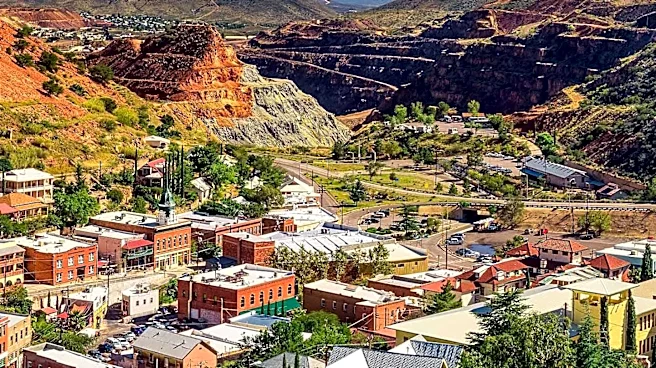
Waynesville, named after General 'Mad' Anthony Wayne, boasts a downtown listed on the National Register of Historic Places, featuring galleries and craft shops in historic brick storefronts. Boone, named for Daniel Boone, offers living-history exhibits at the Hickory Ridge Living History Museum and the outdoor drama 'Horn in the West.' Cherokee is highlighted as the cultural center of the Qualla Boundary, home to the Eastern Band of Cherokee Indians, with attractions like the Museum of the Cherokee People and the Oconaluftee Indian Village. Tryon is noted for its connection to Nina Simone, with her childhood home restored as a National Treasure, and its historic district on the National Register.
Why It's Important?
This recognition by WorldAtlas is significant for the tourism industry in Western North Carolina, potentially drawing more visitors to these historic towns. Increased tourism can stimulate local economies by boosting revenue for small businesses, hotels, and cultural institutions. For instance, the mention of specific attractions like the Museum of the Cherokee People or the Tryon International Equestrian Center can lead to higher attendance and support for these sites. The emphasis on historical preservation, as seen in Waynesville's downtown and Tryon's historic district, underscores the value of maintaining cultural heritage for both educational and economic purposes. This can encourage further investment in historical conservation efforts and local arts, benefiting residents through job creation and enhanced community pride. The diverse historical narratives, from Revolutionary War figures to Native American heritage and musical icons, offer a rich tapestry that appeals to a broad range of tourists.
What's Next?
The towns of Waynesville, Boone, Cherokee, and Tryon can expect to see an increase in tourist interest following this WorldAtlas designation. Local tourism boards and chambers of commerce will likely use this recognition in their marketing campaigns to attract more visitors. This could lead to the development of new tour packages, events, and infrastructure improvements to accommodate the anticipated influx. For example, the historical sites mentioned, such as the Shelton House in Waynesville or the Tweetsie Railroad in Boone, may experience higher visitor numbers, potentially leading to expanded programs or facilities. The focus on cultural heritage in Cherokee could also encourage further initiatives to preserve and promote the traditions of the Eastern Band of Cherokee Indians. Additionally, the increased visibility might prompt local governments and private investors to explore opportunities for new businesses and services that cater to tourists, further integrating tourism into the regional economic strategy.
Beyond the Headlines
The WorldAtlas list highlights a growing appreciation for historical tourism and the unique narratives embedded within smaller American towns. Beyond the immediate economic benefits, this recognition can foster a deeper sense of identity and pride among residents, encouraging community engagement in preserving local heritage. The inclusion of Cherokee underscores the importance of acknowledging and celebrating indigenous history and culture, providing a platform for the Eastern Band of Cherokee Indians to share their story directly. The emphasis on figures like Nina Simone in Tryon also demonstrates how cultural icons can become powerful anchors for local tourism and historical preservation. This trend suggests a shift in travel preferences towards experiences that offer both leisure and educational value, prompting towns to invest in authentic storytelling and the careful stewardship of their historical assets. The challenge will be to manage increased tourism sustainably, ensuring that the unique character and historical integrity of these towns are maintained for future generations.