



What's Happening?
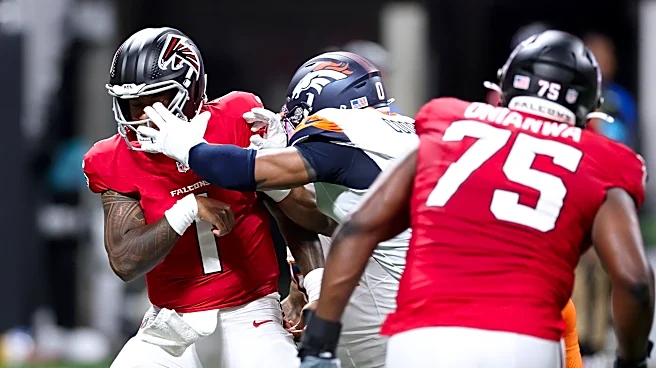
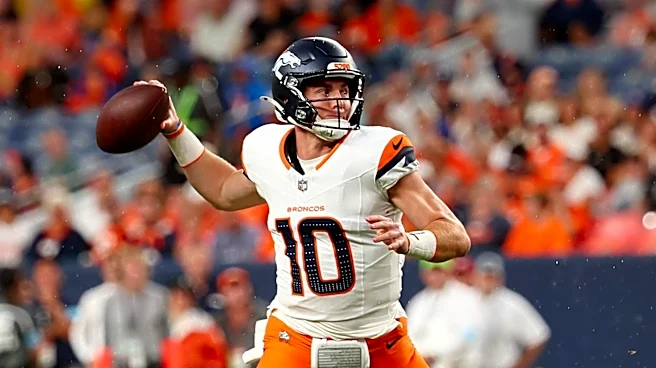
Day 13 of the Denver Broncos training camp was marked by intense and chippy practices, culminating in multiple skirmishes, including one involving rookie quarterback Bo Nix. During a full-pads practice, tempers flared when defensive players Nik Bonitto,
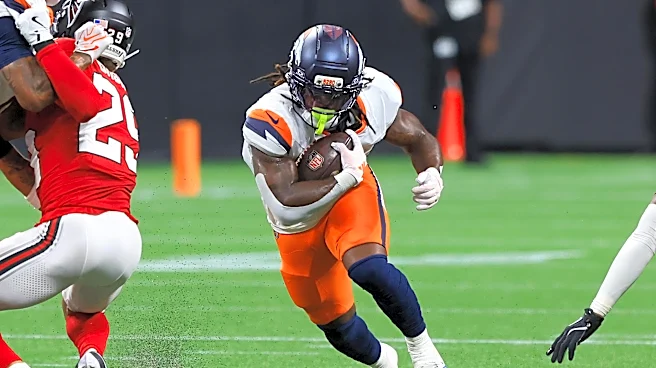
Malcolm Roach, and Jonathon Cooper collapsed the pocket around Nix, knocking him to the turf. This action, which goes against the 'golden rule' of not hitting the quarterback in practice, provoked an angry reaction from Nix, who threw the ball in Roach's direction. Later, a larger melee erupted among linemen after Alex Singleton intercepted Nix and running back RJ Harvey punched the ball out. Nix subsequently ran over and grabbed Bonitto's leg to pull him off the pile, triggering another skirmish. Center Calvin Throckmorton emerged from the pile bleeding from the head and was escorted off the field. Despite the heated moments, Nix expressed that he 'loved' the intensity, viewing it as preparation for upcoming games. Defensive coordinator Vance Joseph reiterated the importance of avoiding contact with the quarterback, emphasizing that 'Bo’s our quarterback, and we don’t want anyone near Bo.'
Why It's Important?
The intensity and physical altercations witnessed during the Denver Broncos training camp highlight the high-stakes environment of professional football and the competitive pressures players face, even in practice. The involvement of rookie quarterback Bo Nix in these incidents, particularly being knocked to the ground and reacting angrily, underscores the challenges of protecting a developing franchise player while maintaining a competitive edge in practice. The 'golden rule' of not hitting the quarterback is crucial for player safety and the long-term health of the team's most valuable asset. Violations of this rule, as seen with Malcolm Roach's repeated involvement, can lead to internal friction and potential disciplinary actions. The incident also reveals the coaching staff's efforts to balance aggressive play with player protection, a critical aspect of team management. The physical nature of these practices, while potentially fostering a tough team identity, also carries the risk of injuries, as evidenced by Calvin Throckmorton's injury, which could impact team depth and performance.
What's Next?
Following the Day 13 incidents, the Denver Broncos will likely continue to emphasize player safety and adherence to practice rules, particularly regarding contact with the quarterback. Defensive coordinator Vance Joseph's public statements indicate that internal discussions and potential disciplinary measures may be taken to ensure players understand and respect the boundaries. Malcolm Roach, having been involved in two incidents where Nix was knocked down, may face a more direct conversation with the coaching staff to reinforce these guidelines. The team has one more practice before their second preseason game against the Green Bay Packers, where Nix is expected to play. The focus will be on how the team channels its intensity into disciplined play on the field. The return of players like Jaylen Waddle to full practice and the progress of others like Marvin Mims Jr. and Luke Wattenberg will be closely monitored as the team prepares for the regular season. The coaching staff will need to ensure that the competitive spirit fostered in practice translates into cohesive team performance rather than internal conflict.
Beyond the Headlines
The training camp altercations in the Denver Broncos highlight a deeper tension inherent in professional sports: the balance between fostering aggressive, competitive play and ensuring player safety and team cohesion. While coaches often encourage a 'chippy' environment to build mental toughness and simulate game-day intensity, there's a fine line between productive aggression and counterproductive conflict. The incident with Bo Nix, a high-value rookie quarterback, underscores the unique vulnerability of such players and the need for specific protections. This situation could influence team culture, potentially strengthening bonds if handled effectively, or creating divisions if not. It also raises questions about the psychological impact of such incidents on players, particularly rookies, and how they adapt to the intense physical and emotional demands of the NFL. The long-term implications could include a re-evaluation of practice protocols, increased emphasis on sports psychology, and a continued focus on player welfare within the league, especially concerning the protection of key offensive players.