








What's Happening?
In his new book, 'Food Is Medicine,' cardiologist and nutrition scientist Dariush Mozaffarian argues that the prevailing U.S. nutrition debate is backward, focusing too heavily on what to eliminate from diets rather than what to incorporate. Mozaffarian contends
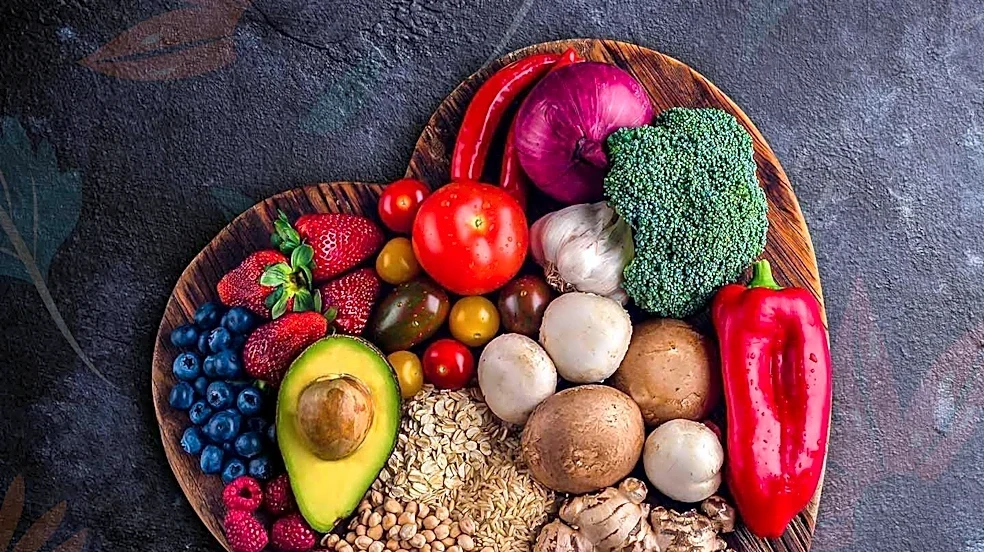
that the primary dietary problem in America is an insufficient intake of nourishing foods. He proposes a practical hierarchy for healthy eating, placing minimally processed plant foods—such as vegetables, fruits, beans, nuts, seeds, avocados, extra-virgin olive oil, and whole grains—at the core of the diet. Fish and yogurt are also highlighted for their specific benefits, like omega-3 fats and fermentation. While acknowledging the harms of excessive sugar, sodium, and highly processed foods, Mozaffarian shifts the emphasis to making nourishing foods the foundation of daily meals, allowing for cultural preferences, affordability, and individual health needs.
Why It's Important?
Mozaffarian's perspective is significant for the U.S. public health and food industries as it challenges decades of diet discourse centered on restriction. By advocating for an 'addition-focused' approach, he aims to make healthy eating more accessible and sustainable for the average American. This shift could influence dietary guidelines, public health campaigns, and food product development, encouraging manufacturers to focus on nutrient-dense options rather than just 'low-fat' or 'low-sugar' alternatives. For consumers, this less rigid advice offers a more positive and practical framework for improving diet, potentially reducing the confusion and frustration often associated with restrictive eating plans. The emphasis on making healthy choices ordinary rather than exceptional could also impact institutional food procurement in schools, workplaces, and healthcare settings, promoting healthier defaults across society.
What's Next?
The publication of 'Food Is Medicine' is expected to spark further debate within the nutrition science community and among the general public. Mozaffarian's provocative comparisons, such as suggesting regular ice cream can be healthier than white bread in certain contexts, are likely to generate discussion and encourage a more nuanced understanding of food. Future developments may include increased adoption of his 'addition-focused' philosophy in clinical nutrition advice and public health messaging. Food companies might respond by reformulating products to include more beneficial ingredients or by promoting the natural nutritional value of their offerings. The book's influence could also extend to policy discussions, potentially leading to initiatives that improve access to affordable, nourishing foods for all Americans, addressing issues of food insecurity and health equity. The long-term impact will depend on how widely his ideas are embraced by healthcare professionals, policymakers, and consumers.
Beyond the Headlines
Mozaffarian's argument delves into the deeper psychological and cultural aspects of eating in the U.S. The constant focus on 'what to cut' has often fostered a sense of guilt and deprivation, contributing to an unhealthy relationship with food for many. By reframing the conversation around 'what to add,' he promotes a more positive and empowering approach to nutrition, emphasizing abundance and nourishment. This shift has ethical implications, as it moves away from shaming individuals for their food choices and instead encourages a more holistic understanding of food's role in well-being. Culturally, it challenges the ingrained habit of viewing food through a lens of individual nutrients rather than as a complex whole, urging a return to appreciating the synergistic effects of whole foods. This perspective also highlights the systemic issues of food access and affordability, recognizing that individual dietary choices are often constrained by broader societal factors, thus calling for collective action beyond personal responsibility.