




What's Happening?
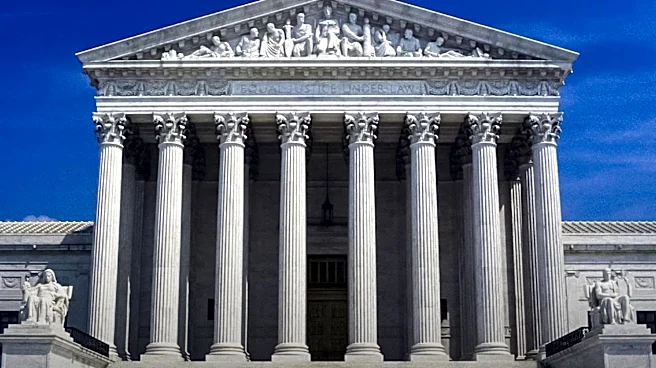
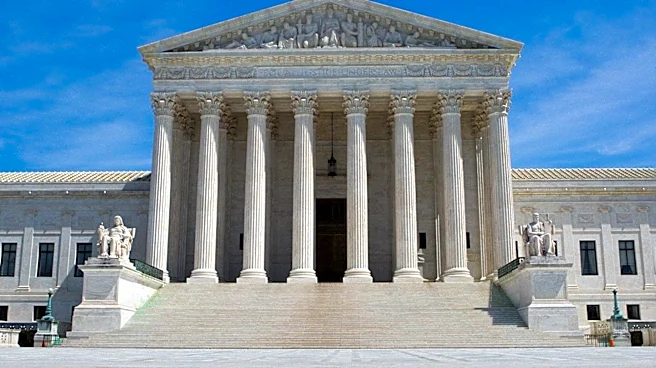
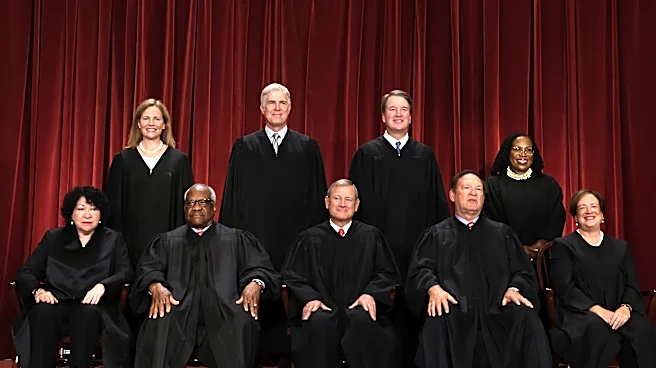
A Missouri jury has found in favor of Monsanto in the first liability trial concerning Roundup, the company's glyphosate-based pesticide, following the U.S. Supreme Court's (SCOTUS) June decision on failure-to-warn claims. The verdict, delivered on October
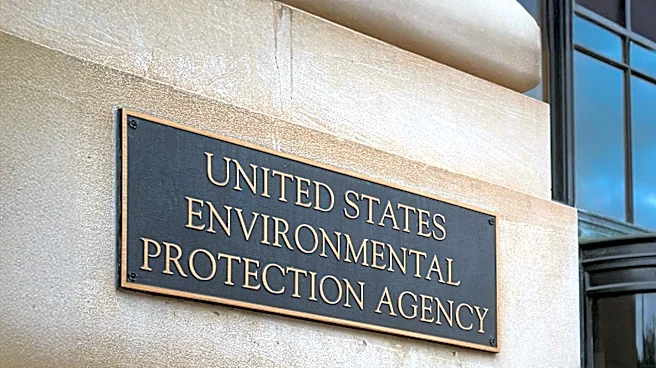
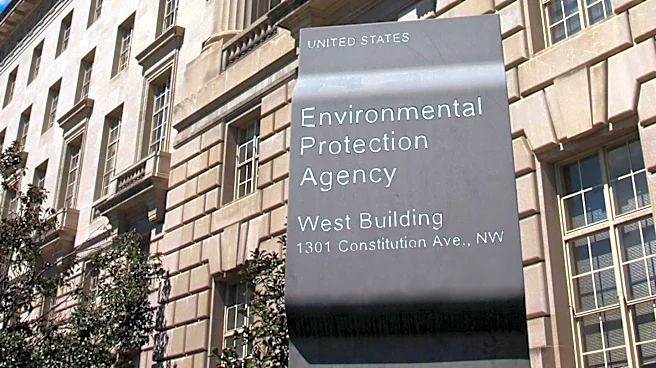
29 in the case of Theresa Aretino, et al. v. Monsanto Company, marks a significant development. Unlike previous Roundup trials, the plaintiffs in this Missouri case were unable to raise state-law failure-to-warn claims. This is due to the SCOTUS ruling that the Federal Insecticide, Fungicide, and Rodenticide Act (FIFRA) preempts such claims, as they would require Monsanto to add a cancer warning to Roundup's label that is not approved by the federal Environmental Protection Agency (EPA). Instead, the plaintiffs focused on allegations that Roundup was defectively designed and that Monsanto inadequately tested the pesticide's formulation, minimizing research suggesting possible cancer risks.
Why It's Important?
This verdict is significant as it represents the first post-SCOTUS ruling on Roundup liability, potentially setting a precedent for future cases. Monsanto owner Bayer views this verdict as a strong signal that plaintiffs pursuing claims after the Durnell ruling will face substantial challenges in demonstrating viable claims and providing necessary evidence. The inability of plaintiffs to use state-law failure-to-warn arguments, due to federal preemption under FIFRA, fundamentally alters the legal landscape for such lawsuits. The trial highlighted the ongoing scientific debate regarding glyphosate, with competing assessments from the EPA, which concludes glyphosate is not likely to cause cancer, and the International Agency for Research on Cancer, which classifies it as a probable human carcinogen. This legal outcome could influence how future product liability cases are litigated, particularly those involving federally regulated products with EPA-approved labeling.
What's Next?
The plaintiffs in the Missouri case have a 30-day window to file any post-trial motions. The outcome of these motions, if filed, will be closely watched. This verdict is likely to influence Monsanto's legal strategy and potentially encourage the company to vigorously defend against future lawsuits. Conversely, plaintiffs' attorneys may need to re-evaluate their approaches, focusing more on defective design and inadequate testing claims rather than failure-to-warn arguments. The ongoing scientific debate about glyphosate's carcinogenicity will continue to be a central element in any future litigation. This ruling could also prompt further discussions or legislative actions regarding the balance between federal regulatory authority and state-level consumer protection laws, particularly concerning product labeling and warnings.
Beyond the Headlines
This case delves into the complex interplay between federal regulatory authority and state tort law, particularly concerning product liability and consumer warnings. The SCOTUS decision to uphold federal preemption under FIFRA has broad implications for industries whose products are subject to extensive federal labeling requirements. It raises questions about the extent to which federal agencies like the EPA can dictate product information, potentially limiting states' abilities to impose additional warning requirements. This could lead to a re-evaluation of consumer protection mechanisms at the state level when federal regulations are deemed supreme. Furthermore, the verdict underscores the challenges of litigating cases based on scientific uncertainty, where different scientific bodies offer conflicting conclusions. This legal battle reflects a larger societal debate about corporate responsibility, scientific evidence, and regulatory oversight in the context of public health and environmental safety.