


What's Happening?
In 1997, brothers Ridley Scott and Tony Scott, through their production company Scott Free, launched an anthology horror series titled 'The Hunger.' This series was a reimagining of Tony Scott's 1983 directorial debut film of the same name, which starred
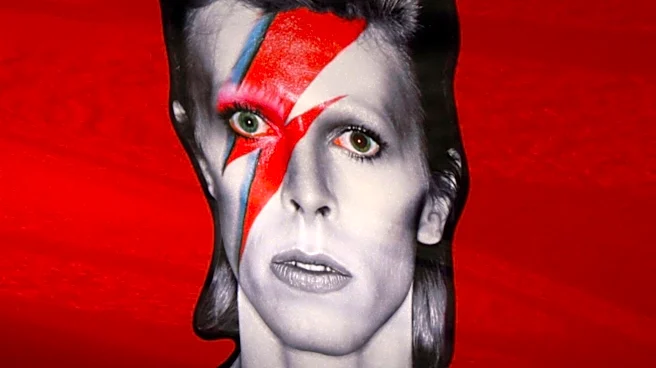
Catherine Deneuve, Susan Sarandon, and David Bowie. Instead of a direct sequel to the film or another adaptation of Whitley Strieber's book, the television series explored themes of obsession, desire, and the darker aspects of human nature across 44 standalone episodes over two seasons, from 1997 to 2000. Tony Scott himself directed several episodes, and other notable directors like Russell Mulcahy and Ridley Scott's son, Jake Scott, also contributed. The series featured prominent hosts: Terence Stamp for Season 1 and David Bowie, who had appeared in the original film, for Season 2. The show aimed to replicate the stylish and steamy energy of the cult classic film.
Why It's Important?
The production of 'The Hunger' anthology series by Ridley and Tony Scott highlights a significant period in television where established film directors and producers ventured into episodic storytelling, bringing cinematic quality and star power to the small screen. The involvement of acclaimed figures like David Bowie and Terence Stamp as hosts, alongside various notable directors, elevated the series beyond typical television fare of its time. This approach demonstrated a growing trend of blurring the lines between film and television production, attracting a broader audience and critical attention to the horror genre on TV. For the Scott brothers' production company, Scott Free, it showcased their versatility and commitment to exploring diverse narrative formats, further solidifying their influence in the entertainment industry. The series' focus on psychological horror and human impulses also contributed to the evolution of genre television, paving the way for more complex and artistically ambitious shows.
What's Next?
While 'The Hunger' concluded in 2000, its legacy as an early example of high-quality, director-driven anthology television continues to influence contemporary series. The success of such projects has encouraged more filmmakers to explore episodic formats, leading to a current landscape rich with anthology series and limited runs that attract top-tier talent. Future productions from Scott Free, or similar ventures by other prominent film production companies, are likely to continue this trend, leveraging established names and cinematic techniques to create compelling television content. The model established by 'The Hunger' suggests a continued appetite for sophisticated, genre-bending storytelling that can attract both critical acclaim and a dedicated viewership, potentially leading to more collaborations between film and television creatives.
Beyond the Headlines
The creation of 'The Hunger' anthology series by the Scott brothers delves into the deeper implications of artistic adaptation and the evolution of storytelling mediums. By transforming a gothic thriller film into an episodic series, they explored how themes of obsession and desire could be sustained and reinterpreted across multiple, distinct narratives. This move reflected a broader cultural shift towards serialized content and the potential for television to offer a platform for diverse creative voices, including those from the film industry. The series also touched upon the ethical and psychological dimensions of human nature, using the horror genre as a lens to examine darker impulses. The involvement of iconic figures like David Bowie not only added star power but also brought a unique artistic sensibility, further enriching the show's cultural impact and demonstrating the cross-pollination of talent between music, film, and television.