
What's Happening?
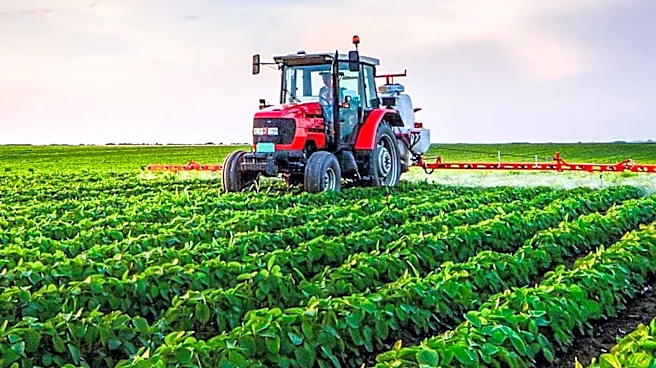
The North America agriculture gateway market is experiencing significant growth, with the U.S. leading due to its extensive commercial row crop operations and high adoption rates of precision agriculture technologies.
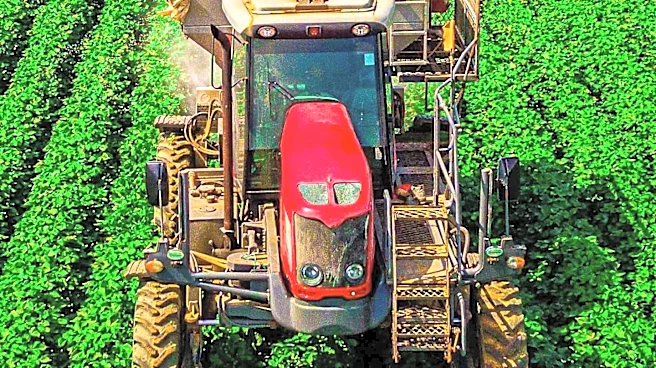
In 2025, the market was valued at USD 1.07 billion and is projected to grow to USD 2.03 billion by 2035, at a compound annual growth rate (CAGR) of 6.4%. Precision farming, which involves the use of GPS-guided equipment and data integration from various agricultural machinery, is the largest application segment, generating USD 420.2 million in revenue in 2025. The U.S. Corn Belt states, including Iowa, Illinois, and Indiana, are key deployment zones for these technologies, driven by the need for efficient grain operations. The market is dominated by major players such as John Deere, Cisco Systems, and AGCO Corporation, which collectively held a 45.6% market share in 2025.
Why It's Important?
The growth of the agriculture gateway market in North America, particularly in the U.S., underscores the increasing reliance on technology to enhance agricultural productivity and sustainability. Precision farming technologies enable farmers to optimize resource use, reduce waste, and improve crop yields, which is crucial in addressing food security challenges. The adoption of these technologies also supports environmental goals by minimizing the ecological footprint of farming practices. As the market expands, it presents opportunities for technological innovation and investment in the agtech sector, potentially leading to economic growth and job creation in rural areas. The U.S. government's support through initiatives like the National Proving Grounds for AgTech further accelerates the adoption of these technologies, positioning the country as a leader in agricultural innovation.
What's Next?
The agriculture gateway market is expected to continue its growth trajectory, driven by advancements in wireless connectivity and the integration of emerging technologies such as drones and satellite analytics. The expansion of 5G networks and LoRaWAN will enhance real-time data transmission capabilities, enabling more precise and efficient farming operations. As environmental regulations tighten, particularly in water-stressed regions like California, the demand for smart irrigation systems is likely to increase. This regulatory environment will push more farmers to adopt precision agriculture technologies to comply with water usage requirements. Additionally, ongoing investments in research and development by major market players will likely lead to the introduction of more advanced and cost-effective solutions, further driving market growth.
Beyond the Headlines
The increasing deployment of precision agriculture technologies raises important considerations regarding data privacy and security. As farms become more connected, the risk of cyber threats targeting agricultural data and systems grows. Ensuring robust cybersecurity measures will be essential to protect sensitive information and maintain the integrity of agricultural operations. Furthermore, the shift towards technology-driven farming may require a re-skilling of the agricultural workforce to manage and operate advanced equipment. This transition presents both challenges and opportunities for rural communities, as it could lead to new job roles and educational programs focused on agtech skills.