


What's Happening?
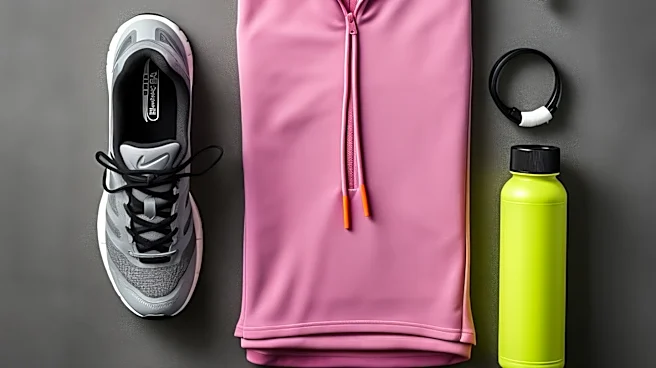
The luxury activewear market is expanding, offering high-end options that blend style with functionality. Brands like Vuori are noted for items such as the Sunday Jogger Sn64, which emphasizes both aesthetic appeal and practical use, with options for paperless
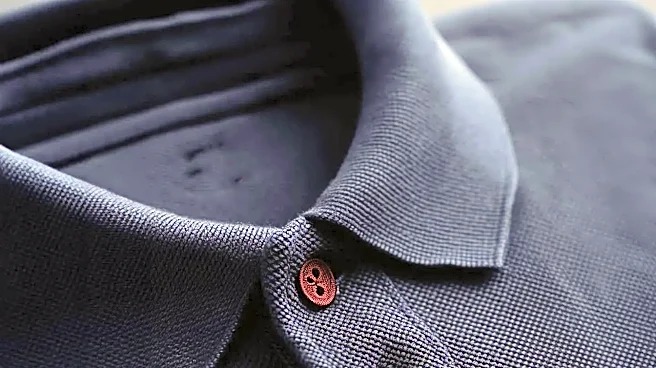
transactions and collection. Premium custom athletic apparel from major brands including Nike, Under Armour, Carhartt, and The North Face are providing consumers with durable and comfortable choices. Additionally, the Ralph Lauren Luxury Jersey Quarter-Zip Pullover is highlighted for its lasting comfort and sophisticated style, attributed to its smooth cotton-blend fabric. In the women's gym wear segment, Clovia is offering a range of athleisure pieces designed with moisture-wicking and super stretchable fabrics to support workouts and enhance personal style. This trend indicates a growing consumer demand for activewear that performs well during physical activities while also being fashionable enough for everyday wear.
Why It's Important?
This trend signifies a significant shift in consumer preferences within the U.S. apparel market, moving beyond purely functional activewear to products that integrate luxury and fashion. For businesses, this means an opportunity to capture a higher-margin segment of the market, as consumers are willing to pay more for items that offer both performance and style. Companies that can successfully innovate in fabric technology, design, and sustainable practices will likely gain a competitive edge. The emphasis on durability and comfort also suggests a move towards more conscious consumption, where quality and longevity are prioritized over fast fashion. This could lead to increased investment in research and development for advanced materials and manufacturing processes. Furthermore, the rise of athleisure as everyday wear blurs the lines between casual and athletic apparel, expanding the market reach for activewear brands into broader lifestyle categories.
What's Next?
The luxury activewear market is expected to continue its growth trajectory, with brands likely focusing on further innovation in materials and design to meet evolving consumer demands. We can anticipate more brands entering this premium segment, leading to increased competition and a wider array of specialized products. There will likely be a continued emphasis on sustainability and ethical production, as environmentally conscious consumers increasingly seek out brands that align with their values. Retailers may also expand their offerings to include more personalized shopping experiences, such as custom fittings or curated collections, to cater to the discerning luxury activewear consumer. Collaborations between high-fashion designers and activewear brands could also become more common, further solidifying activewear's place in the luxury market.
Beyond the Headlines
The rise of luxury activewear reflects deeper societal shifts towards health, wellness, and a more casual yet sophisticated lifestyle. It challenges traditional notions of formal and informal attire, as activewear becomes acceptable in a wider range of social settings. This trend also highlights the increasing importance of personal branding and self-expression through clothing, even in athletic contexts. The integration of advanced fabric technologies, such as moisture-wicking and anti-microbial properties, into luxury items underscores a growing consumer expectation for performance and comfort in all aspects of their wardrobe. This could lead to a broader redefinition of luxury itself, moving away from purely ornamental value towards a blend of aesthetic appeal, functional utility, and ethical considerations. The market's expansion also suggests a cultural embrace of an active lifestyle, where fitness is not just a hobby but a core component of one's identity and daily routine.