

What's Happening?
Danish islands are increasingly promoting 'slow travel,' a trend focusing on more meaningful and relaxed holidays. This approach encourages visitors to immerse themselves in local culture, enjoy nature, and connect with communities. Destinations like
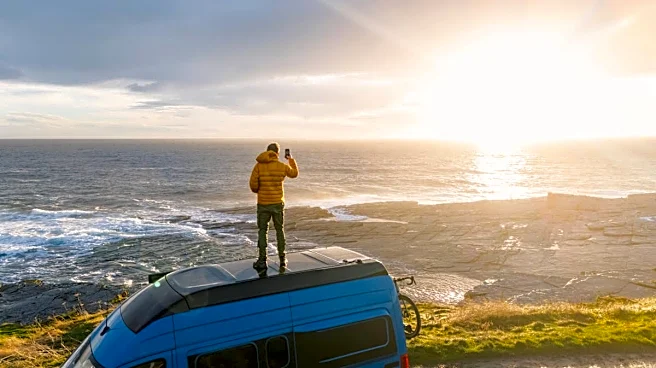
Bornholm, Samsø, and Ærø are highlighted for their peaceful environments, coastal landscapes, regional products, and opportunities to interact with local residents. Unlike traditional fast-paced tourism, these islands offer calm settings for quality time with family and friends. The islands provide diverse experiences beyond typical city tourism, combining peaceful landscapes, local traditions, and outdoor activities such as cycling, exploring fishing villages, and enjoying beaches. Many islands support car-free tourism, with cycling and walking being popular modes of exploration. Ferry services make inter-island travel convenient, allowing visitors to combine mainland trips with island adventures and plan journeys according to flexible schedules. This initiative aligns with a broader travel trend emphasizing longer stays and deeper engagement with destinations.
Why It's Important?
The promotion of slow travel by Danish islands signifies a shift in the tourism industry towards more sustainable and authentic experiences. This trend is important for the U.S. travel market as it influences traveler preferences and potentially shapes future tourism offerings. American travelers, increasingly seeking unique and less commercialized vacations, may find these destinations appealing, leading to a diversification of popular European travel spots. For the U.S. tourism sector, this could inspire similar initiatives to highlight regional attractions that offer immersive cultural and natural experiences, moving away from mass tourism models. Economically, slow travel can benefit local economies by encouraging longer stays and direct engagement with local businesses, artisans, and food producers, fostering a more equitable distribution of tourism revenue. Socially, it promotes cross-cultural understanding and appreciation for different lifestyles, offering a richer travel experience than conventional sightseeing tours.
What's Next?
The Danish islands are expected to continue developing their slow travel offerings, potentially expanding eco-friendly initiatives and promoting sustainable tourism practices. This could involve further investment in cycling infrastructure, local food experiences, and community-based tourism activities. Other regions globally, including those in the U.S., might observe the success of this model and adapt similar strategies to attract travelers seeking authentic and relaxed holidays. The emphasis on doing less, staying longer, and disconnecting from daily demands is likely to become a more prominent feature in future travel trends. Travelers can anticipate more destinations highlighting their unique natural beauty, cultural heritage, and opportunities for genuine local interaction. The travel industry may also see an increase in specialized tour operators focusing on slow travel, offering curated experiences that prioritize immersion over itinerary packing.
Beyond the Headlines
The rise of slow travel reflects a deeper societal yearning for mindfulness and connection in an increasingly fast-paced world. Beyond the immediate economic and tourism impacts, this trend highlights a re-evaluation of what constitutes a valuable holiday experience. It challenges the consumerist approach to travel, where the goal is often to see as many landmarks as possible in the shortest amount of time. Instead, slow travel encourages a more contemplative and appreciative engagement with a place, fostering a sense of belonging and understanding. This shift could have long-term cultural implications, promoting a greater respect for local traditions, environmental preservation, and the well-being of host communities. It also underscores the psychological benefits of travel, emphasizing relaxation, personal growth, and the creation of lasting memories through genuine interactions rather than superficial encounters. The movement towards slow travel suggests a broader cultural shift towards valuing quality over quantity in various aspects of life.