
What's Happening?
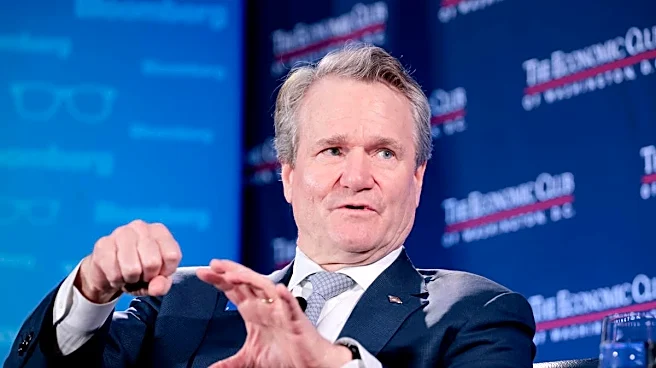
John Paulson, a prominent hedge fund manager known for his successful bet against the U.S. housing market, has expressed a bullish outlook on gold. Speaking on CNBC's 'The Exchange,' Paulson stated that
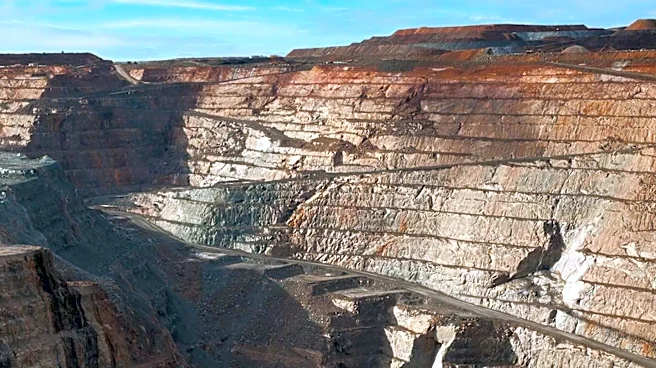
he believes the precious metal is in the early stages of a long-term bull market. He attributes this to a growing loss of faith in paper currencies, which is driving demand for gold as an alternative. Paulson highlighted that central banks are increasingly adding gold to their reserves, and there is a rising interest from the private sector. He also noted that investing in gold mining companies, particularly those with large undeveloped reserves, could offer significant returns. Paulson's comments coincide with NovaGold Resources' announcement to acquire his firm's stake in the Donlin Gold project in Alaska, where he serves as co-chairman.
Why It's Important?
Paulson's prediction of a long-term bull market for gold is significant for investors and the broader financial market. As central banks and private investors increase their gold holdings, the demand for the metal could drive prices higher, impacting global financial markets. This trend suggests a shift in how investors view traditional fiat currencies, potentially leading to increased volatility in currency markets. For investors, particularly those in the U.S., Paulson's insights offer a strategic perspective on diversifying portfolios with gold and gold-related stocks. Companies like NovaGold, which Paulson highlights, could see increased interest and investment, potentially boosting their market value and influencing the mining sector's dynamics.
What's Next?
The anticipated long-term bull market for gold could lead to strategic shifts among investors and financial institutions. As demand for gold continues to rise, central banks may further increase their reserves, influencing global monetary policies. Investors might also explore opportunities in gold mining stocks, particularly those with significant reserves, as suggested by Paulson. This could lead to increased capital flows into the mining sector, potentially driving exploration and development activities. Additionally, the broader acceptance of gold as a reserve currency could prompt discussions on monetary policy and currency stability, influencing economic strategies worldwide.