
What's Happening?
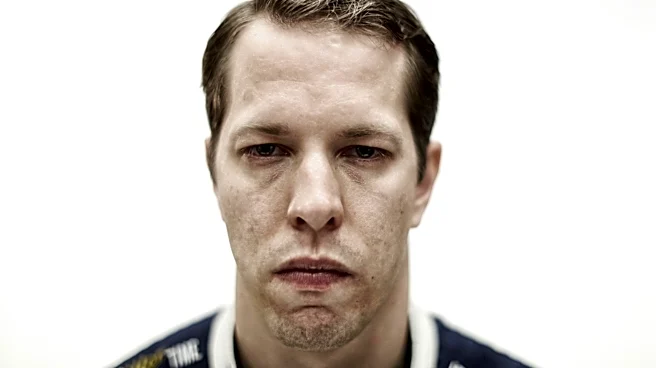
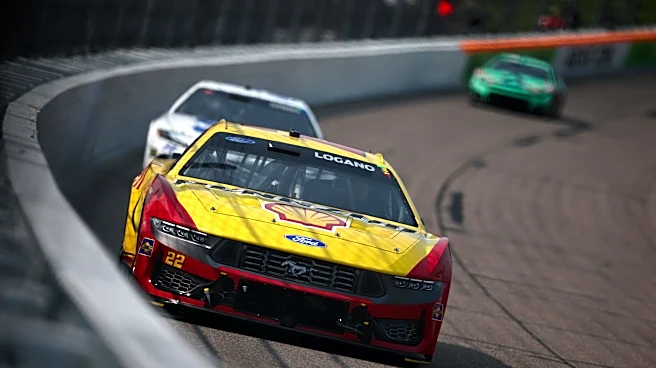
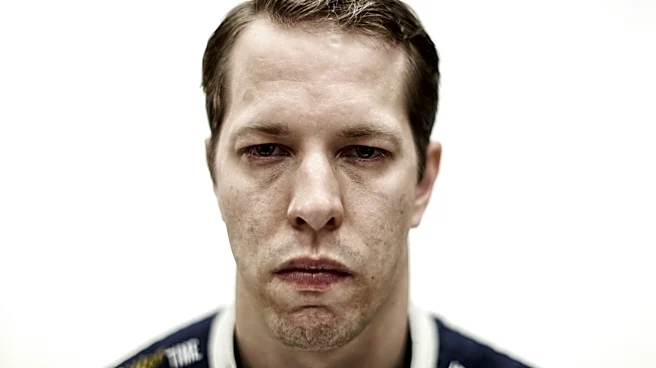
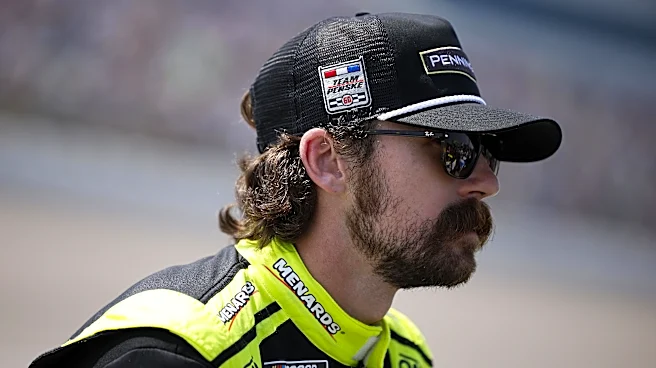
Brad Keselowski's contract with Fenway Sports Group (FSG) reportedly includes a clause requiring mutual permission for either party to pursue motorsports ventures outside of NASCAR. According to two racing industry sources, Keselowski has not yet agreed
to FSG's potential acquisition of a stake in the Cadillac Formula 1 team. This restriction remains active until Keselowski's ownership stake in Roush Fenway Keselowski Racing (RFK Racing) is unwound. While talks alone would not violate the clause, a purchase agreement without Keselowski's consent would. FSG is currently in discussions to buy a portion of billionaire Mark Walter’s TWG Global stake in the Cadillac team, with an asking price reportedly at least $3 billion. Keselowski announced in September that he would conclude his tenure as a driver for the No. 6 Ford after the 2026 NASCAR Cup Series season and that his ownership interest in RFK Racing would be addressed. He later stated in October that he would continue as a 'passive investor' and aimed to sell his 20% stake.
Why It's Important?
This contractual dispute could significantly impact Fenway Sports Group's expansion into Formula 1, a major international motorsports series. FSG, a prominent sports ownership group with stakes in the Boston Red Sox, Liverpool Football Club, and the Pittsburgh Penguins, is seeking to diversify its portfolio. A blocked investment in the Cadillac F1 team would represent a missed opportunity for FSG to enter a rapidly growing global sport, potentially affecting its strategic growth and financial returns. For Brad Keselowski, the unwinding of his ownership stake in RFK Racing is a critical financial and professional transition. The reported clause highlights the complexities of ownership agreements in professional sports and how they can influence broader corporate strategies. The valuation of the Cadillac F1 stake at $3 billion underscores the significant financial interests at play and the high value placed on Formula 1 franchises.
What's Next?
The immediate next step involves the unwinding of Brad Keselowski's ownership stake in Roush Fenway Keselowski Racing. Until this is finalized, the consent clause in his contract with Fenway Sports Group (FSG) will likely remain a potential impediment to FSG's pursuit of a stake in the Cadillac Formula 1 team. FSG will need to secure Keselowski's permission or await the resolution of his RFK Racing ownership to proceed with any purchase agreement. There has been no official comment from FSG, RFK Racing, or Keselowski regarding the reported clause, suggesting that discussions or negotiations are likely ongoing behind the scenes to resolve the situation. The outcome will determine whether FSG can successfully expand its motorsports investments beyond NASCAR into the lucrative Formula 1 market.
Beyond the Headlines
The situation between Fenway Sports Group and Brad Keselowski underscores the intricate legal and financial frameworks governing sports ownership and athlete contracts. Beyond the immediate impact on FSG's F1 ambitions, this case highlights the importance of meticulously drafted agreements that anticipate future business expansions and potential conflicts of interest. The 'consent right' clause, if accurately reported, demonstrates how individual contracts can exert significant influence over large corporate strategies, even after a primary professional relationship (Keselowski's driving tenure) is set to conclude. This scenario could set a precedent or at least serve as a cautionary tale for other sports organizations and athletes regarding the long-term implications of ownership stakes and contractual obligations in a dynamic sports business landscape. It also sheds light on the increasing convergence of traditional sports ownership groups with global motorsports, reflecting a broader trend of diversification in the entertainment and sports industries.