





What's Happening?
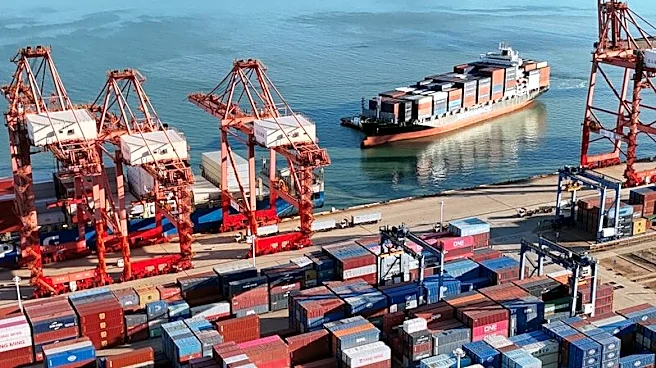
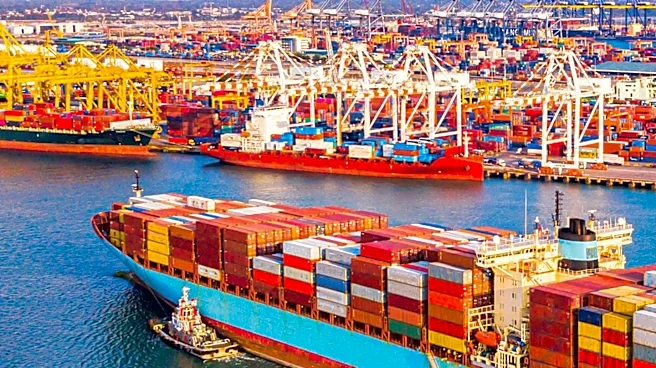
The US-China economic relationship is significantly influencing businesses in the sustainable chemistry sector. This dynamic presents a dual challenge: on one hand, the availability of inexpensive plastics and chemical intermediates from China widens
the price gap between traditional petrochemicals and more sustainable biobased alternatives, making it harder for green chemistry companies to compete. On the other hand, the ongoing economic tensions are increasing demand for more stable and secure supply chains. This situation is bolstering the business case for regional producers in the US that utilize innovative feedstocks and can offer more reliable supply. These issues were central to discussions at the recent annual meeting of the Alternative Fuels and Chemicals Coalition, held near Washington, DC, where attendees sought to understand the successes and failures within the clean chemistry business landscape.
Why It's Important?
The complex interplay between US-China economic relations and the green chemistry sector has significant implications for the development and adoption of sustainable technologies in the United States. The price disparity created by cheap Chinese petrochemicals can hinder investment and growth in domestic biobased chemical production, potentially slowing the transition away from fossil-fuel-dependent industries. Conversely, the push for supply chain resilience, driven by geopolitical tensions, could accelerate the onshoring of green chemistry manufacturing and foster innovation in domestic feedstock development. This situation directly impacts US efforts to achieve sustainability goals, reduce carbon emissions, and build a more circular economy. The ability of US green chemistry companies to navigate these economic headwinds will determine their competitiveness and their role in shaping future industrial landscapes.
What's Next?
The green chemistry sector will likely continue to adapt its strategies to the evolving US-China economic relationship. US companies may increasingly focus on differentiating their products through sustainability credentials, supply chain transparency, and technological innovation to justify potentially higher costs compared to Chinese alternatives. There could be a greater emphasis on government policies and incentives designed to support domestic biobased chemical production, such as subsidies, tax breaks, or procurement mandates, to level the playing field. Furthermore, the drive for supply chain security might lead to increased collaboration between US research institutions, startups, and established chemical companies to develop novel feedstocks and manufacturing processes that reduce reliance on foreign inputs. The discussions at industry gatherings like the Alternative Fuels and Chemicals Coalition meeting will continue to be crucial for strategizing and identifying pathways for growth in this challenging environment.
Beyond the Headlines
Beyond the immediate economic impacts, the US-China dynamic in the green chemistry sector touches upon broader themes of national security, technological sovereignty, and environmental leadership. A robust domestic green chemistry industry can reduce reliance on foreign supply chains for critical materials, enhancing national security. It also positions the US as a leader in sustainable innovation, potentially influencing global standards and practices. The tension between economic competitiveness and environmental sustainability is a core ethical dilemma here; while cheap imports may benefit consumers in the short term, they can undermine long-term environmental goals and domestic industrial capacity. This situation highlights the need for a strategic national approach that balances economic realities with the imperative to foster a sustainable and resilient industrial base, potentially leading to new trade policies or industrial strategies that prioritize environmental and strategic objectives over purely cost-driven decisions.