





What's Happening?
Karnataka, India, is actively seeking global investment and technological partnerships to expand its renewable energy program beyond traditional solar and wind projects. State Energy Minister K.J. George announced plans to include energy storage, green
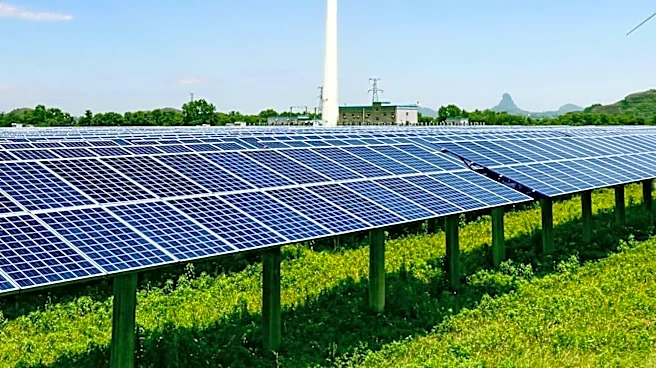
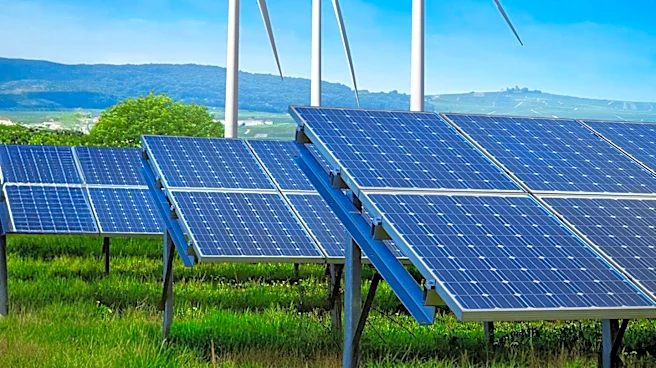
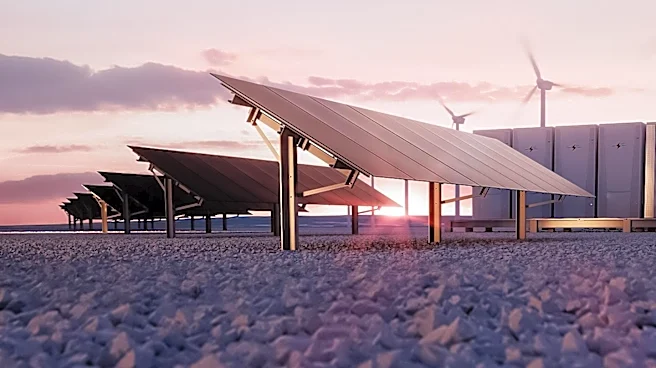
hydrogen, electric mobility, bioenergy, and clean-energy manufacturing. This initiative was highlighted during the Bengaluru roadshow for the Bharat Renewable Energy Summit and Expo 2026. Karnataka currently boasts nearly 27.3 GW of renewable energy capacity, with over 11.5 GW from solar and 8.5 GW from wind power. The state aims to build a flexible, reliable, and resilient clean-energy system, emphasizing the critical role of energy storage as solar and wind power generation fluctuates with weather conditions. George invited investors and technology companies to participate in the state's next phase of energy development, stressing that the renewable energy transition is not only an environmental necessity but also a driver of economic growth, industrial development, technological innovation, employment, and energy security. The state is also planning to expand green-energy corridors to integrate renewable electricity into the power grid.
Why It's Important?
This move by Karnataka is significant as it demonstrates a proactive approach by a major Indian state to diversify its clean energy portfolio and attract international collaboration. For U.S. businesses and investors in the clean energy sector, this presents a substantial opportunity for market entry and expansion in a rapidly growing economy. The focus on energy storage, green hydrogen, and advanced manufacturing aligns with global trends in sustainable technology and could foster partnerships that benefit both U.S. and Indian companies. By emphasizing a 'flexible, reliable, and resilient clean-energy system,' Karnataka is addressing key challenges associated with intermittent renewable sources, which could lead to the development and deployment of innovative solutions. The state's commitment to expanding green-energy corridors also signifies a robust infrastructure development plan that could support large-scale renewable projects and create a stable environment for foreign investment. This initiative could also serve as a model for other regions looking to accelerate their clean energy transition, potentially influencing broader U.S. policy discussions on international clean energy cooperation and investment strategies.
What's Next?
Karnataka will continue to host roadshows and stakeholder consultations in preparation for the Bharat Renewable Energy Summit and Expo 2026, scheduled for November 2-5, 2026, in New Delhi. This summit will bring together governments, industries, investors, financial institutions, researchers, startups, and technology providers, offering a platform for potential partnerships and investment deals. The state is particularly interested in collaborations that can make storage, hydrogen, energy forecasting, and grid-management solutions commercially viable. Further policy developments, such as the exemption of renewable energy projects from land use change permits, indicate a supportive regulatory environment. The expansion of green-energy corridors will also proceed, aiming to enhance the integration of renewable electricity into the power grid. Companies and investors interested in the Indian clean energy market should monitor these developments and engage with the upcoming summit to explore opportunities in Karnataka's evolving energy landscape.
Beyond the Headlines
The shift in Karnataka's clean energy strategy reflects a broader global recognition that a sustainable energy future requires more than just increasing renewable capacity; it demands a comprehensive, integrated system. The emphasis on energy storage and green hydrogen highlights the growing understanding of these technologies as crucial for grid stability and decarbonization across various sectors. This approach could lead to significant advancements in these fields, driven by the need to manage the intermittency of solar and wind power. Furthermore, the focus on economic growth and job creation through the renewable energy transition underscores the potential for clean energy to be a powerful engine for development, moving beyond purely environmental considerations. The voluntary participation of local landowners in projects like the Pavagada Solar Park suggests a model for community engagement that could be replicated elsewhere, fostering local support and ensuring equitable benefits from large-scale renewable developments. This holistic strategy could set a precedent for how developing economies approach their energy transitions, balancing environmental goals with economic and social objectives.