








What's Happening?
The U.S. Environmental Protection Agency (EPA) has issued aggressive biofuel mandates that require oil refiners to incorporate more biofuels into gasoline and diesel. These mandates have led to a surge in the price of renewable identification numbers
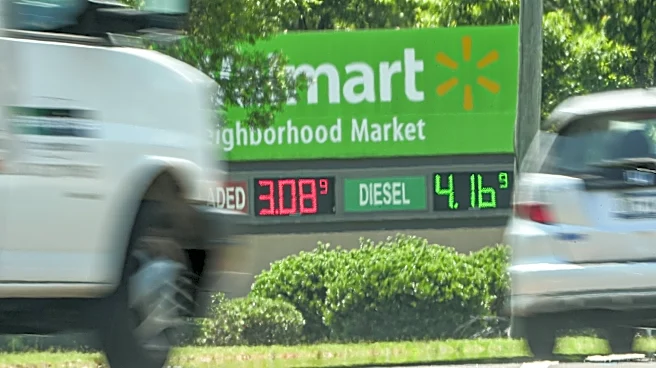
(RINs), which refiners must purchase if they cannot blend enough biofuel. The EPA's targets for biofuel quotas have exceeded domestic production capabilities, causing RIN prices to reach all-time highs. This situation is expected to increase gas prices by $0.26 to $0.45 per gallon. The mandates have sparked legal challenges from industry groups, who argue that the rules could cost refiners over $100 billion and force them to limit domestic fuel sales.
Why It's Important?
The rising cost of RINs due to EPA mandates could significantly impact U.S. consumers by increasing gas prices. This development highlights the influence of regulatory decisions on energy markets, which can be as impactful as geopolitical events. Companies with substantial biofuel operations, like Valero Energy, may benefit from the situation, while refiners without such capabilities could face financial strain. The mandates could reshape the energy market, affecting both consumers and industry stakeholders. As the situation unfolds, it will be crucial for investors and policymakers to monitor the implications of these regulatory changes.
What's Next?
The ongoing legal challenges against the EPA's biofuel mandates could lead to adjustments in the rules, potentially alleviating some pressure on refiners. However, if the mandates remain unchanged, refiners may need to explore alternative strategies to comply, such as increasing biofuel production or investing in renewable energy technologies. The situation may also prompt discussions among policymakers about balancing environmental goals with economic impacts. Stakeholders will likely continue to advocate for changes that mitigate the financial burden on refiners and consumers.
Beyond the Headlines
The EPA's biofuel mandates reflect broader environmental policy goals aimed at reducing carbon emissions and promoting renewable energy. However, the economic implications of these policies raise questions about the balance between environmental sustainability and economic viability. The situation underscores the complexity of transitioning to cleaner energy sources and the need for comprehensive strategies that consider both environmental and economic factors. As the U.S. navigates these challenges, the interplay between regulation, market dynamics, and technological innovation will be critical in shaping the future of the energy sector.