







What's Happening?
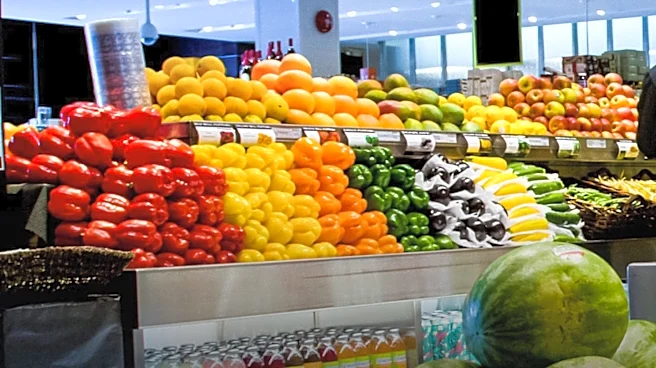
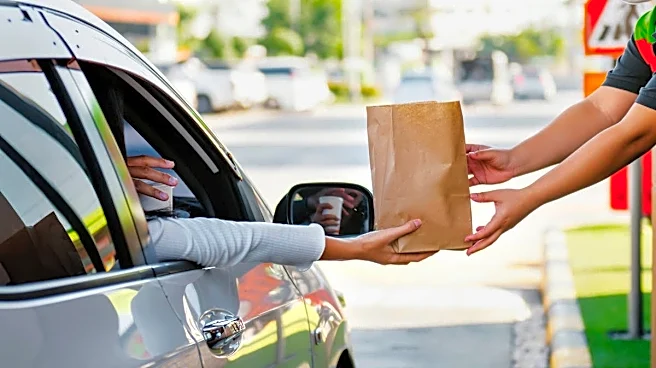
Fast-food chains in the U.S. are increasingly facing competition from grocery stores as consumers seek more value for their money amid rising inflation. According to data from Placer.ai, grocery stores are expanding their prepared-food offerings, providing
a convenient and cost-effective alternative to traditional fast-food options. This shift is impacting restaurant traffic, particularly for quick-service restaurants, which have seen a decline in foot traffic. In contrast, fast-casual and fine dining establishments have remained more resilient. The trend is driven by consumers' changing perceptions of value, where convenience, quality, and experience are weighed alongside price. Major grocery retailers like Kroger and Whole Foods are investing in ready-to-eat meals, while fast-food chains are emphasizing value offerings to retain customers.
Why It's Important?
The growing competition from grocery stores represents a significant challenge for the fast-food industry, which has traditionally relied on convenience and low prices to attract customers. As grocery stores enhance their prepared-food options, they are capturing a larger share of consumer spending on meals. This shift could lead to a reevaluation of business strategies among fast-food chains, which may need to innovate and offer more competitive pricing to maintain their market share. The trend also highlights broader economic pressures on consumers, who are increasingly seeking cost-effective dining solutions. This could have long-term implications for the restaurant industry, potentially leading to changes in menu offerings, pricing strategies, and marketing approaches.