


What's Happening?
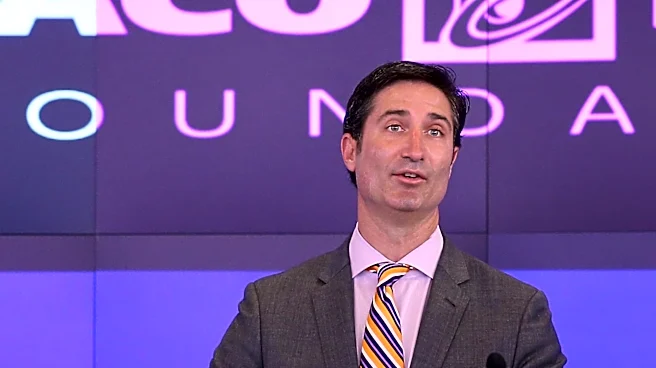
Paul Meeks of Freedom Capital Markets has expressed a 'steadfastly bullish' view on CoreWeave for the year 2027. This positive outlook is primarily driven by CoreWeave's anticipated margin improvement and a reduction in its credit default risks. Meeks believes
these factors will contribute to a strong performance for the company in the near future. However, his optimism is tempered when looking further ahead to 2028. For that year, Meeks harbors concerns due to growing opposition to data center development across the United States. This increasing resistance could pose challenges for CoreWeave's expansion and operational capabilities, potentially impacting its growth trajectory beyond 2027. The sentiment reflects a nuanced perspective on the company's prospects, distinguishing between short-term strengths and potential longer-term headwinds.
Why It's Important?
This assessment from Paul Meeks is significant for investors and stakeholders in the U.S. technology and data center sectors. CoreWeave, as a player in the data center market, faces both opportunities and challenges that reflect broader industry trends. The bullish view for 2027 highlights the potential for companies that can improve margins and mitigate financial risks, suggesting a focus on operational efficiency and sound financial management can drive value. Conversely, the concerns for 2028 underscore a growing public policy issue: the increasing opposition to data center development. This opposition, often stemming from environmental concerns, resource consumption (like water and electricity), and local community impact, could create regulatory hurdles and slow down infrastructure expansion for data-intensive businesses across the U.S. This could affect not only CoreWeave but also other companies reliant on expanding data center capacity, potentially impacting the growth of cloud computing and AI infrastructure.
What's Next?
For CoreWeave, the immediate focus will likely be on capitalizing on the factors contributing to the bullish 2027 outlook, such as continued margin improvement and further reduction of credit default risks. The company may also need to begin strategizing how to navigate the anticipated challenges in 2028 related to data center development opposition. This could involve engaging with local communities, exploring more sustainable data center designs, or lobbying for more favorable regulatory environments. For the broader data center industry in the U.S., the growing opposition could lead to increased scrutiny of new projects, potentially longer approval processes, and higher development costs. Companies might need to invest more in public relations and community engagement to secure necessary permits, or explore alternative locations for expansion. The situation could also spur innovation in more energy-efficient and environmentally friendly data center technologies.
Beyond the Headlines
The concerns raised about data center development opposition in the U.S. point to a larger societal debate about technology infrastructure and its environmental footprint. As demand for data processing, cloud services, and artificial intelligence grows, so does the need for more data centers. However, these facilities are significant consumers of electricity and water, leading to environmental and resource concerns from local communities and environmental groups. This tension highlights a critical challenge for the U.S. economy: balancing technological advancement and economic growth with environmental sustainability and community well-being. The outcome of this debate could shape future land use policies, energy infrastructure development, and the overall trajectory of the digital economy, potentially pushing companies to adopt more decentralized or environmentally conscious computing solutions in the long term.