

What's Happening?
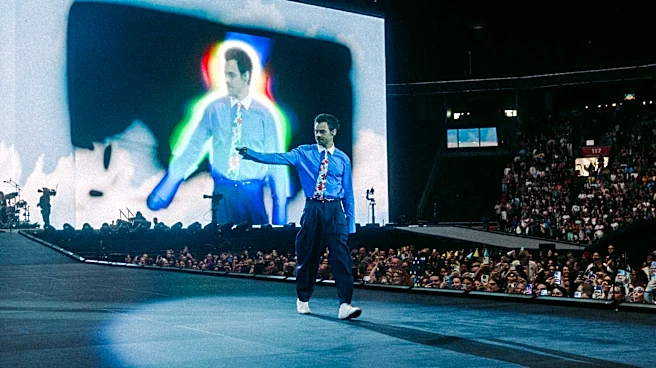
In 2026, a widespread trend of 'surprise songs' has emerged in pop concerts, with numerous artists including Phoebe Bridgers, Olivia Rodrigo, Noah Kahan, Madison Beer, Harry Styles, and Lady Gaga incorporating unannounced tracks into their setlists. This
practice, which gained significant traction from artists like Taylor Swift, involves performing unexpected songs, often deep cuts or covers, to create unique moments for concertgoers. However, the increasing ubiquity of this trend has led to a 'surprise song problem,' where the planned spontaneity diminishes the genuine element of surprise. Fans have begun to gamify the experience, creating trackers and spreadsheets to log every surprise song, and some express disappointment if their show's selection is not perceived as optimal.
Why It's Important?
This trend significantly impacts the live music industry by altering fan expectations and the dynamics of concert attendance. While initially intended to offer a special, unique experience for each audience, the widespread adoption of surprise songs has inadvertently created a competitive environment among fans, who compare setlists and sometimes express dissatisfaction. This manufactured spontaneity can lead to a paradox where the 'surprise' is anticipated, potentially diluting its emotional impact. For artists, it presents a challenge to maintain genuine engagement while catering to a fan culture that increasingly values unique, shareable moments. The phenomenon also highlights the power of social media in shaping concert experiences, as surprise songs often go viral, extending the concert's reach beyond the venue.
What's Next?
Artists and their teams may need to re-evaluate the 'surprise song' strategy to prevent it from becoming a predictable element that leads to fan disappointment. This could involve varying the placement of surprise songs within the setlist, introducing different types of unexpected elements, or focusing on truly spontaneous interactions rather than pre-planned 'surprises.' The industry might see a shift towards more organic, less predictable forms of fan engagement during live shows. Additionally, the data collected by fans on surprise songs could influence future tour planning and setlist construction, as artists seek to balance fan desires with artistic integrity and genuine surprise.
Beyond the Headlines
The 'surprise song problem' delves into the deeper implications of authenticity and commercialism in modern entertainment. The desire for unique experiences, fueled by social media's emphasis on shareable content, has pushed artists to engineer moments that feel spontaneous but are often meticulously planned. This raises questions about the nature of live performance in an age where every moment can be recorded and instantly disseminated. The fan-driven gamification of surprise songs also reflects a broader cultural trend of turning consumption into a competitive activity, where the value of an experience is measured against others. This dynamic can create a sense of entitlement among some fans and pressure on artists to constantly deliver 'peak' experiences, potentially overshadowing the core artistic performance.