








What's Happening?
Dermatologists emphasize the critical importance of correctly applying and layering sunscreen to achieve its stated Sun Protection Factor (SPF) and protect against harmful UV radiation. SPF measures protection against UVB rays, with SPF 30 filtering approximately
97% and SPF 50 filtering about 98%. Experts, including Dr. Shereen Teymour and Dr. Suzan Obagi, highlight that most individuals do not apply enough sunscreen, especially when using SPF-infused makeup, to reach the full protective benefits. The American Academy of Dermatology recommends using a broad-spectrum, water-resistant sunscreen with at least SPF 30 daily, year-round, as UV exposure persists regardless of weather. Sunscreen should be the final step in a morning skincare routine, applied after moisturizer, and generously to all exposed areas, including ears, neck, and the backs of hands. Reapplication every two hours, or more frequently after sweating or swimming, is crucial for sustained protection.
Why It's Important?
The correct application and reapplication of sunscreen are vital for public health, particularly in preventing skin cancer and premature skin aging. Misunderstanding how SPF works or failing to apply sufficient amounts can leave individuals vulnerable to UV damage, increasing their risk of developing skin conditions. The guidance from dermatologists underscores that SPF-containing makeup should be considered supplemental, not a replacement for dedicated sunscreen, as it's challenging to apply enough makeup to achieve adequate protection. This information is crucial for consumers to make informed decisions about their skincare routines, ensuring they receive the intended benefits of sun protection products. Adhering to these recommendations can significantly reduce the incidence of sunburns, photoaging, and the long-term health risks associated with UV exposure.
What's Next?
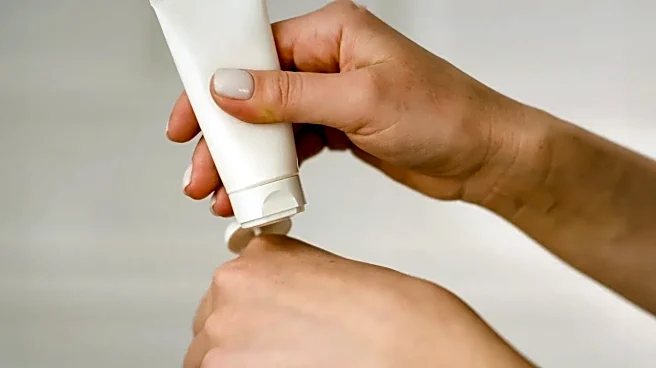
Consumers are encouraged to re-evaluate their daily skincare routines to ensure proper sunscreen application and layering. This includes prioritizing a dedicated broad-spectrum sunscreen with at least SPF 30 as the last step in their morning routine, before makeup. Individuals should also be mindful of reapplying sunscreen regularly, especially during extended outdoor activities. The advice to apply two finger-lengths of sunscreen to the face and neck serves as a practical guideline for adequate coverage. Furthermore, the recommendation to use shade and sun-protective clothing alongside sunscreen reinforces a comprehensive approach to sun safety. Ongoing public health campaigns and educational efforts from dermatological associations will likely continue to stress these practices to improve overall skin health and reduce UV-related damage.
Beyond the Headlines
The emphasis on proper sunscreen application extends beyond immediate sun protection, touching upon broader aspects of consumer education and product efficacy. The common misconception that layering multiple low-SPF products or relying solely on SPF makeup provides adequate protection highlights a gap in public understanding. This situation underscores the need for clearer labeling and consumer guidance from manufacturers and regulatory bodies regarding how to achieve the advertised SPF benefits. Ethically, brands have a responsibility to educate consumers on the limitations of their SPF-infused products. Culturally, there's a shift towards integrating sun protection as a non-negotiable part of daily health and beauty routines, moving away from viewing it solely as a seasonal or beach-day product. This sustained awareness can lead to long-term behavioral changes, fostering healthier skin habits across the population.