




What's Happening?
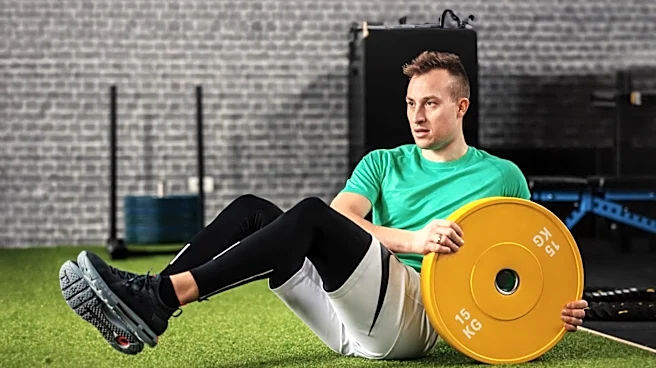
High-Intensity Interval Training (HIIT) is a workout method characterized by short bursts of intense exercise followed by periods of rest or lower-intensity activity. This training approach is designed to elevate the heart rate and provide a full-body
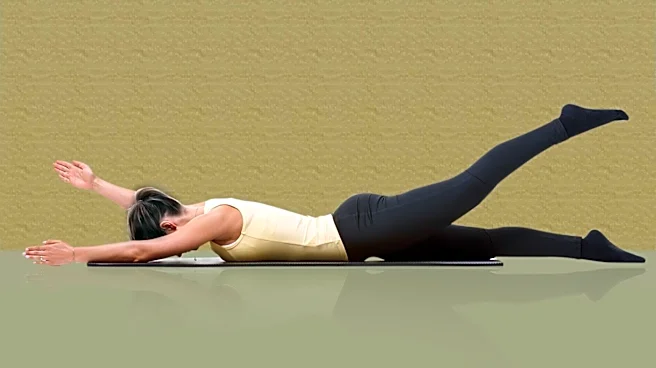
workout, often achievable within a relatively short timeframe, such as 60 minutes. HIIT can incorporate a variety of movements, including burpees, which combine a squat, plank or push-up, and a jump into a continuous motion. The method is recognized for its potential to improve cardiovascular fitness, metabolism, performance, and overall health. While effective, it is recommended that HIIT be introduced gradually, especially for beginners, once the body has adapted to exercise and movement techniques are sufficiently developed. Beginners can start with lower-intensity activities like brisk walking or basic strength training before progressing to HIIT.
Why It's Important?
HIIT offers a time-efficient solution for individuals seeking to improve their fitness and health, which is particularly relevant in today's fast-paced society where time constraints often hinder consistent exercise. Its ability to deliver significant cardiovascular and metabolic benefits in shorter durations makes it an attractive option for a broad demographic. The emphasis on gradual introduction and proper technique highlights the importance of safe and sustainable fitness practices, reducing the risk of injury and promoting long-term adherence to exercise routines. For the fitness industry, the popularity of HIIT drives demand for specialized classes, equipment, and trainers, influencing program development and marketing strategies. Furthermore, the focus on overall body fat reduction through a combination of physical activity, strength training, and diet underscores a holistic approach to health, moving beyond the misconception that specific exercises can target fat loss in particular areas.
What's Next?
As awareness of HIIT's benefits grows, there will likely be continued innovation in workout programs and digital fitness platforms offering diverse HIIT routines. Fitness professionals may increasingly specialize in designing and coaching HIIT sessions tailored to various fitness levels, from beginners to advanced athletes. The integration of HIIT with other fitness modalities, such as strength training and core exercises, will become more prevalent to provide comprehensive workout plans. Consumers can expect to see more accessible and adaptable HIIT options, including bodyweight exercises that require no equipment, making it easier to incorporate into daily life. The ongoing research into the physiological impacts of HIIT will also continue to refine best practices and maximize its effectiveness for different health and fitness goals.
Beyond the Headlines
The rise of HIIT reflects a broader cultural shift towards optimizing efficiency and maximizing results in personal health and wellness. This trend extends beyond physical fitness, influencing productivity hacks and time management strategies in other areas of life. Ethically, the promotion of high-intensity workouts necessitates a strong emphasis on proper form, injury prevention, and listening to one's body, especially given the demanding nature of HIIT. There's a potential for individuals to push themselves too hard too soon, leading to burnout or injury if not guided appropriately. The accessibility of HIIT, often requiring minimal equipment, also democratizes fitness, making effective workouts available to a wider audience regardless of access to traditional gym facilities. This could contribute to a more active and healthier population, but also places responsibility on content creators and trainers to provide accurate and safe guidance.