





What's Happening?
Paramount Pictures is developing a live-action film based on the popular video game franchise Cyberpunk 2077. The project will be co-produced by CD Projekt RED, the game's developer, and Lorenzo di Bonaventura, known for his work on the Transformers franchise.
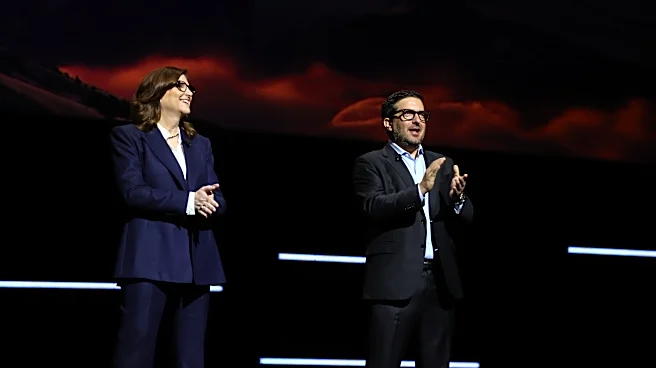
This initiative reflects a broader trend in the entertainment industry where studios are increasingly adapting successful video game intellectual properties for film and television. The announcement was reported by Deadline and subsequently by Reuters. CD Projekt RED co-chief executive Michał Nowakowski expressed enthusiasm for the partnership, highlighting shared creative ambitions for the franchise. While the film is in development, specific details such as release date, director, screenwriter, and cast have not been announced. The game, Cyberpunk 2077, is set in Night City, a futuristic metropolis dominated by corporations and advanced technology, exploring themes of identity, power, and social inequality. It has sold 40 million copies globally, with its Phantom Liberty expansion selling 15 million copies, indicating a substantial existing audience for the film adaptation.
Why It's Important?
This development is significant as it underscores Hollywood's growing interest in leveraging established video game franchises to attract built-in audiences and expand cinematic universes. For Paramount Pictures, it represents an opportunity to tap into the Cyberpunk 2077 fanbase and bring its dystopian themes and futuristic setting to a wider cinema audience. The involvement of CD Projekt RED as a co-producer is crucial, as it aims to ensure creative continuity and faithfulness to the game's lore, characters, and themes, which is often a concern for fans of adapted works. This strategy can mitigate risks associated with new intellectual property by capitalizing on existing brand recognition and fan engagement. The success of such adaptations can also reignite interest in the original games, introduce the franchise to new consumers, and open avenues for additional merchandise and entertainment projects, creating a synergistic effect across different media platforms. This move also positions Paramount competitively in a market where other studios are actively pursuing major video game properties for adaptation.
What's Next?
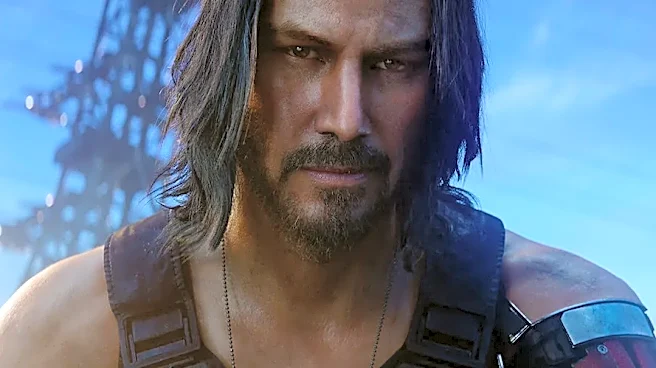
While the film is officially in development, key production details remain unannounced. Future steps will involve securing a director, screenwriter, and cast, which will significantly shape the film's creative direction. It is currently unknown whether the film will adapt the game's main storyline, which follows the mercenary V and features characters like Johnny Silverhand (portrayed by Keanu Reeves in the game), or introduce new characters and events within the Cyberpunk universe. The decisions made regarding the narrative approach will be critical in determining how closely the film connects with the original game and its ability to stand as an independent cinematic story. The production timeline, filming schedule, and eventual release window will also be revealed as development progresses. The success of this adaptation will likely influence future investment in video game-to-film projects across the industry, particularly for Paramount, which is also developing a live-action Call of Duty film.
Beyond the Headlines
The adaptation of Cyberpunk 2077 into a live-action film highlights the evolving landscape of intellectual property in the entertainment industry, where the lines between gaming, film, and television continue to blur. This project follows the success of the Netflix animated series 'Cyberpunk: Edgerunners,' which expanded the franchise's reach beyond gamers. The challenge for filmmakers will be to translate an interactive, player-driven narrative into a compelling linear cinematic experience without alienating the core fanbase, while also appealing to new audiences unfamiliar with the game. This involves navigating the complexities of adapting a rich, open-world environment with deep lore and player choices into a coherent, feature-length story. The film's success could further solidify video games as a primary source of narrative content for Hollywood, potentially leading to more ambitious and high-budget adaptations. It also raises questions about the balance of creative control between game developers and film studios in such collaborative ventures, and how this impacts the final product's authenticity and artistic vision.