




What's Happening?
Ellie Rose Staub and her fiancé transitioned to an off-grid lifestyle on Hawaii's Big Island in August 2021, after purchasing a property for approximately $70,000. Their decision stemmed from a desire to escape high rent and achieve greater financial
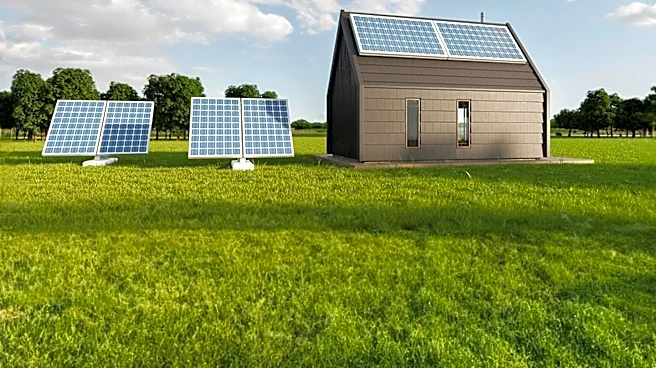
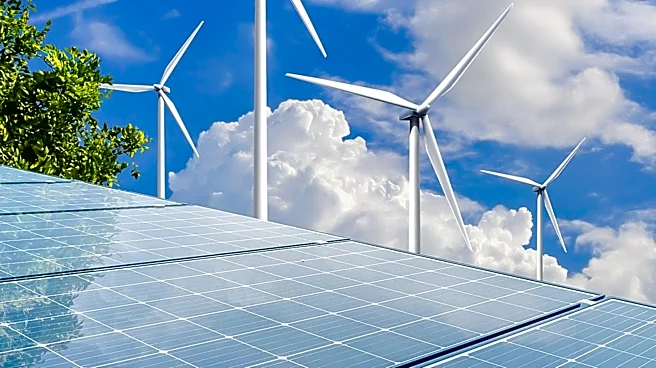
independence. Their home operates without city water or electricity, relying instead on solar panels and batteries for power, with a generator providing backup during the rainy season. They collect rainwater for household use and bring in their own drinking water. Staub notes that while the lifestyle offers freedom from rent and utility bills, it comes with significant challenges, including constant chores, limited storage, lack of air conditioning or insulation, and unreliable internet access. Despite these difficulties, Staub expresses that the benefits of independence and financial freedom outweigh the negatives.
Why It's Important?
This story highlights a growing trend in the U.S. towards off-grid living, driven by desires for financial independence, sustainability, and a closer connection to nature. For many, the rising cost of living, particularly in desirable locations like Hawaii, makes traditional housing unaffordable, pushing individuals to seek alternative solutions. The challenges faced by Staub and her fiancé underscore the practical realities and significant adjustments required for such a lifestyle, including the need for self-sufficiency in energy, water, and waste management. This movement can influence local economies by reducing demand for conventional utilities and services, while also potentially increasing demand for specialized off-grid technologies and sustainable living products. It also raises questions about infrastructure development in remote areas and the balance between individual freedom and community resources.
What's Next?
As more individuals consider off-grid living, there may be an increased demand for resources and support systems to help navigate its complexities. This could lead to the growth of businesses specializing in off-grid energy solutions, water harvesting, and sustainable construction. Communities might also see a rise in educational initiatives focused on self-sufficiency and environmental stewardship. However, local governments may need to address potential issues related to zoning, waste disposal, and emergency services in areas with growing off-grid populations. The experiences of individuals like Staub could also inspire further innovation in sustainable technologies, making off-grid living more accessible and less challenging for future adopters.
Beyond the Headlines
The narrative of off-grid living extends beyond mere financial savings; it touches upon deeper themes of resilience, resourcefulness, and a re-evaluation of modern conveniences. It challenges the conventional understanding of comfort and necessity, prompting a reflection on consumption patterns and environmental impact. The reliance on natural resources like solar power and rainwater fosters a heightened awareness of ecological systems and the importance of conservation. This lifestyle can also cultivate a stronger sense of community among those who share similar values and challenges, leading to the development of self-reliant networks. Ultimately, it represents a philosophical shift towards a more intentional and sustainable way of life, influencing broader cultural conversations about environmental responsibility and personal autonomy.