







What's Happening?
The logistics sector is increasingly adopting six key technologies to address challenges such as labor shortages and rising customer expectations. These technologies include robotics and automation, digital twins and IoT, blockchain, agentic AI, green
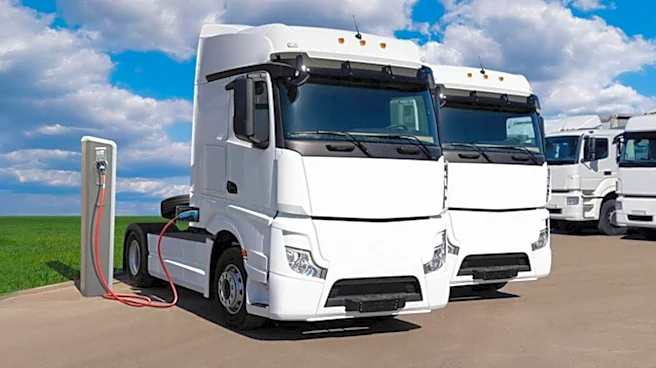
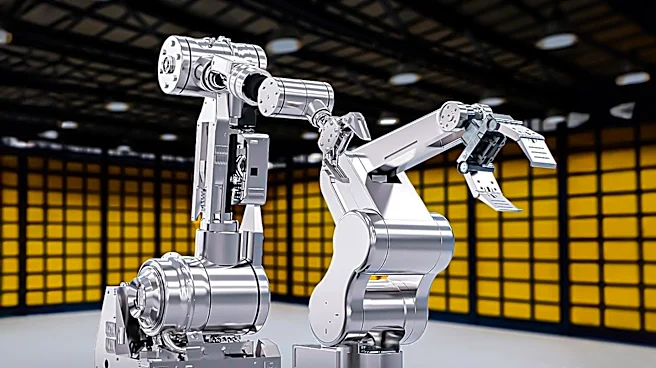
logistics, and edge computing with 5G. Robotics and automation are being used to enhance operational efficiency and data collection, while digital twins and IoT provide real-time visibility across logistics operations. Blockchain is being explored for secure and transparent supply chain transactions. Agentic AI is being utilized for tasks like demand forecasting and route planning. Green logistics focus on sustainability through AI-powered route planning and the use of electric vehicles. Edge computing and 5G enable real-time data processing and coordination in logistics facilities.
Why It's Important?
The adoption of these technologies is crucial for the logistics sector to remain competitive and meet modern demands. By leveraging robotics and AI, companies can optimize operations and reduce reliance on human labor, addressing labor shortages. Digital twins and IoT enhance supply chain visibility, allowing for proactive management of disruptions. Blockchain technology offers a secure method for managing supply chain transactions, reducing fraud and improving compliance. Green logistics not only reduce environmental impact but also lower operational costs and enhance brand reputation. Edge computing and 5G improve the reliability and speed of data processing, essential for real-time decision-making in logistics.
What's Next?
As these technologies continue to evolve, logistics companies are expected to further integrate them into their operations. This integration will likely lead to more efficient and sustainable supply chains. Companies may also explore new applications of these technologies, such as using AI for predictive analytics and further automating logistics processes. The ongoing development of 5G networks will enhance connectivity and data processing capabilities, supporting more advanced logistics solutions. Stakeholders in the logistics industry, including shippers and carriers, will need to adapt to these changes to maintain competitiveness.