






What's Happening?
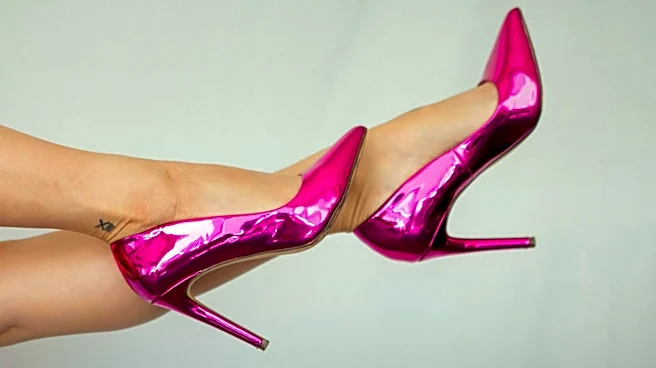
Foot tattoos, a popular trend in the early 2000s, are experiencing a significant revival, particularly among Gen Z. This resurgence is part of a broader embrace of Y2K aesthetics, which includes fashion and other cultural elements from that era. Celebrity
tattoo artist Dillon Forte notes that while foot tattoos previously featured simple, isolated designs like butterflies, the current trend involves a more intricate and customizable approach. Gen Z is treating the entire foot and ankle as a canvas, creating what Forte calls 'footscaping'—a cohesive look built from multiple small tattoos, including tiny florals, ornamental patterns, symbols, or script. This modern interpretation emphasizes finer linework, delicate designs, and thoughtful placement, reflecting a more curated personal style compared to the more impulsive choices of the past.
Why It's Important?
The return of foot tattoos signifies a broader cultural shift where Gen Z is reinterpreting and re-popularizing trends from previous decades, particularly the Y2K era. This trend impacts the tattoo industry by creating demand for specific styles and placements, influencing tattoo artists to adapt their skills to these intricate, smaller designs. For the fashion and beauty industries, it reinforces the cyclical nature of trends and the powerful influence of social media in driving aesthetic revivals. The emphasis on customization and personal expression within this trend also highlights a consumer preference for unique, curated looks over mass-produced styles. This could lead to increased demand for personalized services and products across various sectors, as younger generations seek to express individuality through their choices.
What's Next?
As the Y2K aesthetic continues to gain traction, it is likely that other early 2000s tattoo placements, such as lower back, hip, ankle, and small wrist tattoos, will also see a comeback. Tattoo artists anticipate a continued demand for detailed, custom foot and ankle designs, requiring specialized skills for these sensitive areas. Individuals considering foot tattoos should be aware of the potential for increased pain during the process due to thinner skin and proximity to bone, as well as the challenges associated with healing. Proper aftercare, including avoiding friction from socks and shoes and keeping the foot elevated, will be crucial for optimal results. The trend also suggests that touch-ups may be necessary over time, as foot tattoos tend to fade faster than those in other areas. This ongoing trend will likely influence tattoo parlor offerings and client consultations.
Beyond the Headlines
The revival of foot tattoos, alongside other Y2K trends, reflects a deeper generational dynamic where Gen Z is engaging with and re-contextualizing elements that millennials once considered 'cringe.' This phenomenon extends beyond tattoos to fashion, technology, and even broader cultural attitudes like 'millennial optimism.' It suggests a longing for a perceived simpler or more aesthetically distinct past, perhaps as a counter-reaction to the hyper-polished and often uniform digital aesthetics of the present. The curated nature of current foot tattoos, in contrast to their more impulsive predecessors, also speaks to a generation that is highly conscious of personal branding and visual identity, even in subtle forms. This re-evaluation of past trends by a new generation highlights how cultural meaning and aesthetic value are constantly renegotiated and redefined over time.