




What's Happening?
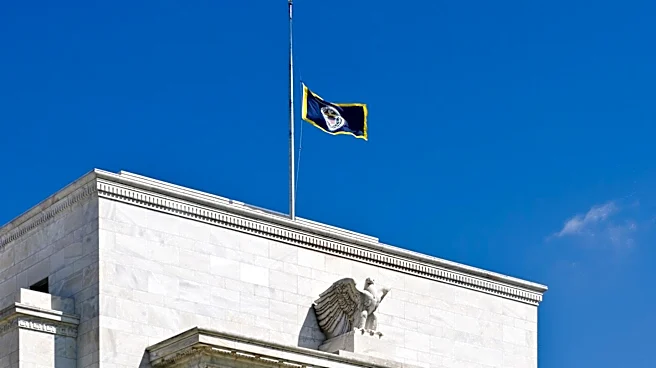
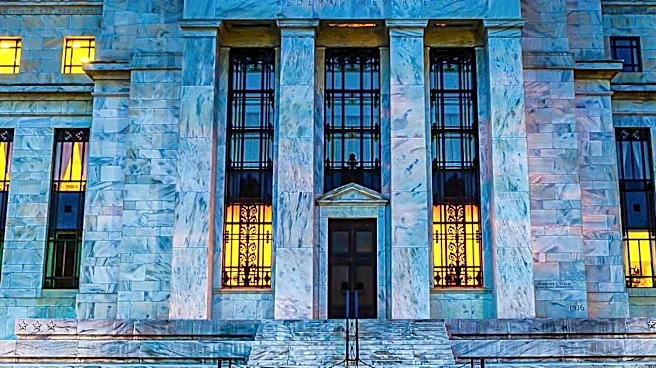
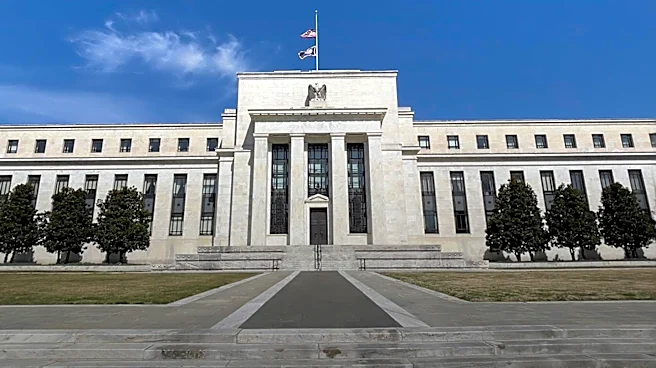
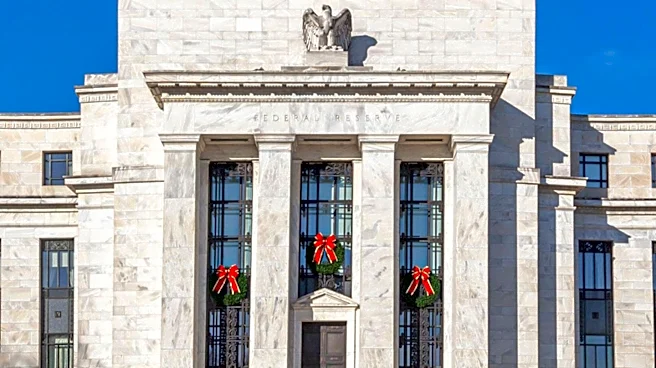
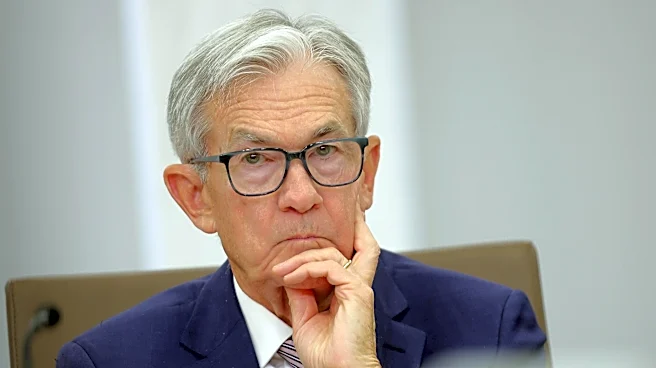
Federal Reserve Chairman Kevin Warsh is grappling with the implications of the artificial intelligence (AI) boom on the U.S. economy, as inflation worries persist. Warsh views AI as a critical 'hinge' point for the U.S. economy and its global standing,
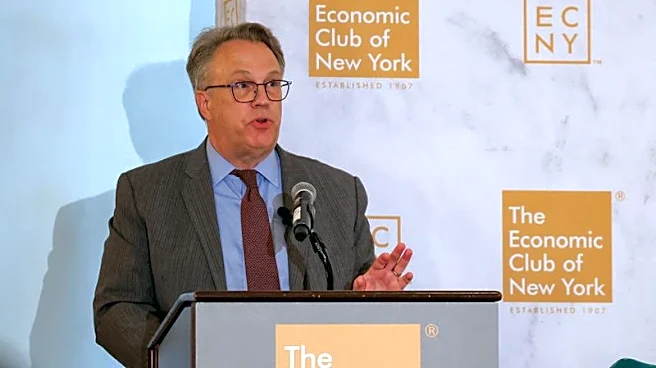
expressing cautious optimism about 'super intelligence.' However, the AI boom presents a complex dilemma for the Fed, with debates among officials on whether it's a transformative moment, a source of inflation, or a harbinger of economic instability. Fed Governor Lisa Cook has highlighted potential financial risks and job displacement due to AI, while Fed Vice Chair Philip Jefferson noted that AI investment is currently contributing to inflation, with productivity benefits yet to materialize. The volatility in the market, including Nvidia's recent leadership changes and stock fluctuations, underscores the uncertainty surrounding AI's economic impact. Despite these concerns, Fed officials are expected to proceed with a quarter-percentage-point rate increase at their upcoming December 8-9 meeting, aiming to curb inflation that some believe is fueled by AI-related investment.
Why It's Important?
The Federal Reserve's approach to the AI boom is crucial for the U.S. economy, as it directly impacts monetary policy decisions, interest rates, and overall economic stability. The debate within the Fed reflects a broader national discussion on how to balance the benefits and risks of rapidly advancing technology. If AI investment is indeed driving inflation, as some Fed officials suggest, then the central bank's actions to cool the economy could inadvertently slow down a potentially transformative technological wave. Conversely, failing to address inflation could lead to economic overheating and instability. The market's sensitivity to AI-related news, such as Nvidia's CEO changes, demonstrates the significant role technology companies play in investor confidence and broader economic sentiment. The outcome of this policy navigation will determine the trajectory of economic growth, job markets, and the U.S.'s competitive position in the global technology landscape.
What's Next?
The Federal Reserve is anticipated to raise interest rates by a quarter-percentage-point at its December 8-9 meeting. This decision will be closely watched for signals on how the Fed plans to manage inflation while acknowledging the economic forces of the AI boom. Policymakers will update their interest rate projections, which will provide further insight into their long-term strategy. The ongoing debate within the Fed, particularly Chairman Warsh's stance on AI's dual impact on demand and future productivity, will shape future monetary policy. Additionally, the political landscape surrounding AI, including public concerns about job displacement and the pace of technological advancement, will likely influence regulatory discussions and policy responses beyond the Fed's purview. The next set of economic data and market reactions to the Fed's decisions will be critical in determining the immediate future of the U.S. economy.
Beyond the Headlines
The Federal Reserve's engagement with the AI boom extends beyond traditional economic indicators, touching upon profound societal and ethical considerations. The discussion about AI's potential to eliminate jobs, as raised by Fed Governor Lisa Cook, highlights the need for proactive policy measures to support workers and manage the transition in the labor market. The public's fear of job loss and concerns about mental health and national security, as noted by former U.S. Commerce Secretary Gina Raimondo, underscore the broader societal anxieties surrounding AI. The approval of ballot initiatives to slow data-center construction in recent midterm elections indicates a growing public desire for more oversight and a cautious approach to AI development. This suggests that the economic implications of AI are intertwined with social acceptance and regulatory frameworks, requiring a holistic approach from policymakers to ensure equitable and sustainable technological progress.