



What's Happening?
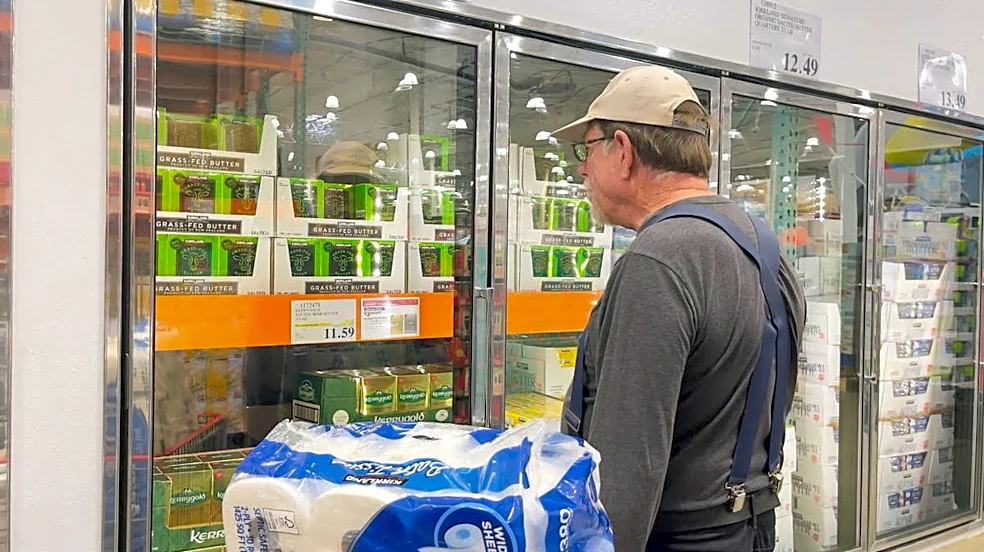
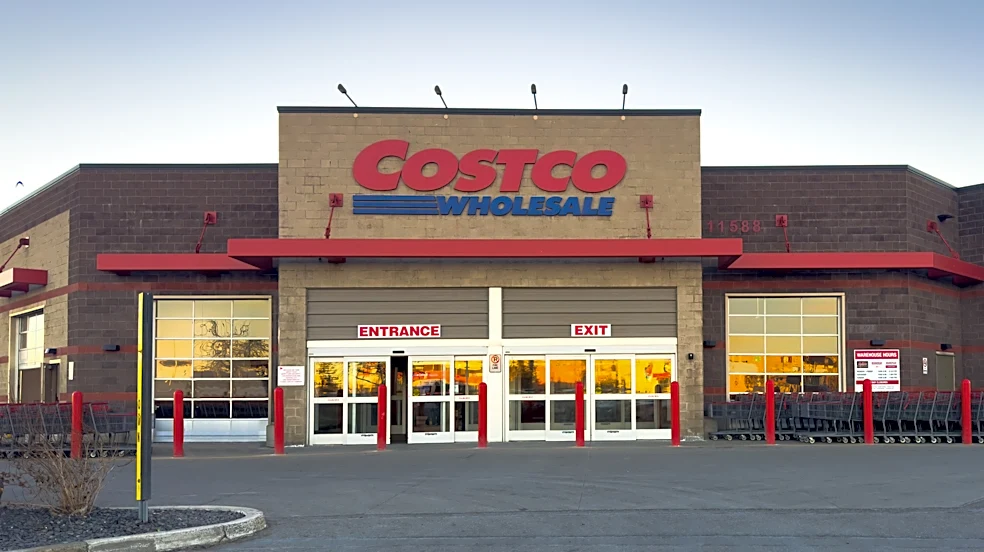
A recent analysis of shopping at Costco indicates that while the warehouse club offers cheap per-item prices, its bulk-buying requirement can lead to higher overall grocery bills for some consumers. For example, four one-pound containers of unsalted sweet
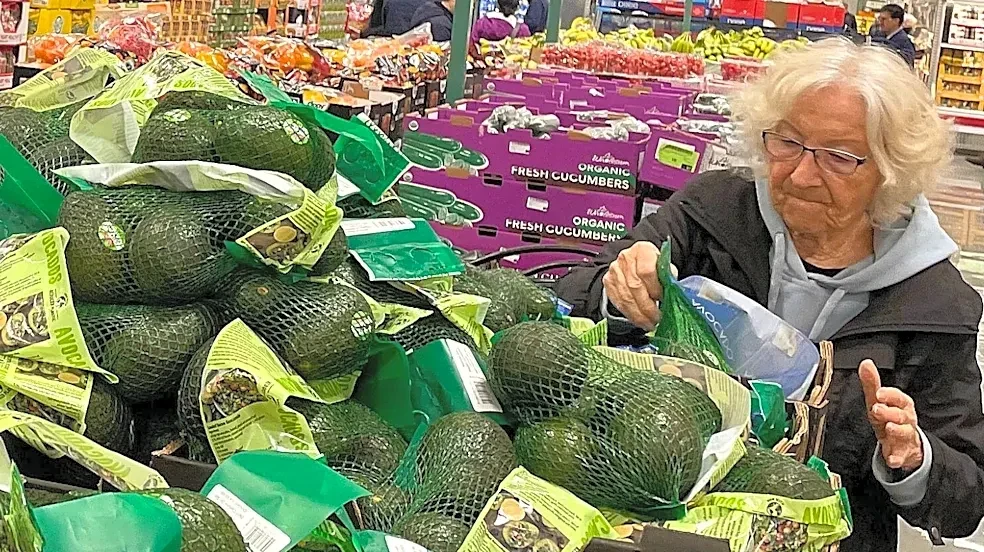
cream butter cost $9.49 at Costco, compared to $3.31 per pound at Publix. A 48 oz tub of Greek yogurt is $7.39 at Costco, with a similar per-ounce price to Publix's 32-ounce tub at $5.19. The total for 27 grocery staples at Costco amounted to $325.75, which may be a significant outlay for many households. The study suggests that the value of a $65 annual Costco membership for groceries depends on a household's consumption rate and storage capacity, with perishable items like meat, dairy, and produce often not yielding major savings due to the large quantities required.
Why It's Important?
This evaluation is important for U.S. consumers grappling with rising grocery prices and seeking ways to save money. It highlights that the perceived savings at bulk retailers like Costco are not always straightforward and depend heavily on individual shopping habits and household size. For many Americans, spending over $300 on a single grocery run is a significant financial commitment, especially when nearly 1 in 10 are in constant panic about affording basic essentials. The findings suggest that while non-perishable items like coffee, cereal, and pasta can offer substantial savings, perishable goods often do not, due to the necessity of buying in large quantities that may not be fully utilized before spoilage. This impacts household budgeting and food waste.
What's Next?
Consumers considering a Costco membership or evaluating their current shopping habits may need to re-assess whether bulk buying aligns with their financial and consumption needs. The analysis suggests that strategic shopping, focusing on non-perishable items and avoiding certain perishable categories at Costco, could maximize savings. Retailers, including traditional supermarkets, may see an opportunity to highlight their competitive pricing on smaller quantities of perishable goods. The ongoing pressure on household budgets due to inflation will likely continue to drive consumers to scrutinize their grocery spending, potentially leading to more diversified shopping strategies that combine bulk purchases with regular supermarket trips for daily essentials.
Beyond the Headlines
The discussion around Costco's grocery value extends to broader themes of consumer behavior, food waste, and the economics of scale in retail. The 'bulk paradox'—where lower unit prices can lead to higher overall spending and potential waste if items aren't fully consumed—is a key implication. This also touches on the environmental impact of food waste, an issue of growing concern. For retailers, it underscores the challenge of balancing competitive pricing with consumer needs for flexibility and affordability. The findings suggest that while large format stores offer certain advantages, they may not be a universal solution for all consumers, particularly smaller households or those with limited storage, prompting a re-evaluation of the 'value' proposition beyond just per-unit cost.