







What's Happening?
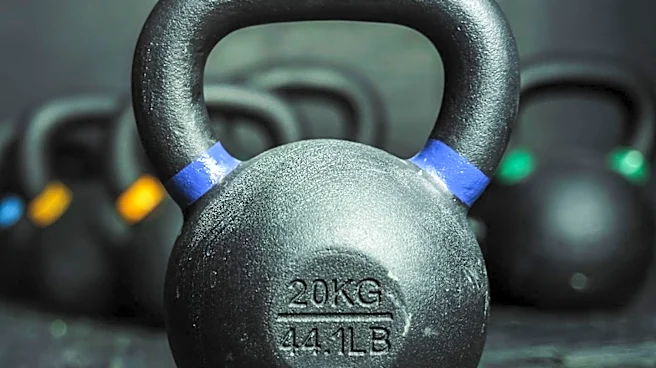
Kettlebells, also known as kettle weights, are gaining recognition for their ability to combine strength, endurance, and functional training with minimal equipment. Unlike traditional dumbbells, kettlebells feature an offset center of gravity from the handle,
which facilitates dynamic, ballistic movements such as swings, snatches, and cleans. This design encourages the user to harness momentum, primarily from the hips, rather than directly fighting gravity. This characteristic makes them highly effective for developing explosive power and cardiovascular endurance. The versatility of kettlebells allows for a wide range of exercises targeting various muscle groups, from legs and glutes to back, shoulders, and abdominal muscles, making them suitable for circuit training and comprehensive workouts. They are also praised for their space efficiency, as a few kettlebells of different weights can provide extensive training possibilities without requiring large equipment installations.
Why It's Important?
The growing popularity of kettlebells signifies a shift in fitness trends towards more functional and dynamic training methods. For individuals and commercial gyms, kettlebells offer a cost-effective and space-efficient solution for comprehensive fitness programs. Their ability to engage multiple muscle groups simultaneously and improve coordination and stability makes them valuable for athletes and general fitness enthusiasts alike. The emphasis on hip-driven movements in exercises like the kettlebell swing can enhance overall athletic performance and reduce the risk of injury by strengthening the posterior chain. Furthermore, their compact nature makes them ideal for home gyms or smaller fitness facilities, democratizing access to effective strength and conditioning tools. However, the unique mechanics of kettlebells necessitate proper technique to avoid injuries, highlighting the importance of qualified instruction for beginners.
What's Next?
As kettlebells continue to integrate into mainstream fitness, there will likely be an increased demand for certified kettlebell instructors and specialized training programs. Manufacturers may focus on developing more user-friendly designs, such as adjustable kettlebells, to cater to a broader audience and address concerns about precise weight progression. The fitness industry could also see more hybrid training approaches that combine kettlebells with other equipment like dumbbells to offer a more well-rounded development, acknowledging that while versatile, kettlebells may not fully replace other tools for specific isolation exercises. Educational resources, including online tutorials and workshops, will become crucial to ensure users learn proper form and maximize the benefits while minimizing injury risks.
Beyond the Headlines
The rise of kettlebells reflects a broader cultural movement towards holistic health and functional movement, moving beyond isolated muscle training to focus on how the body works as an integrated unit. This approach aligns with principles of longevity and injury prevention, as it trains the body for real-world movements rather than just aesthetic gains. The emphasis on mastering technique over simply lifting heavy weights also fosters a more mindful approach to exercise, encouraging individuals to understand their bodies and movement patterns. This shift could lead to a more sustainable and effective fitness culture, where the quality of movement and overall well-being are prioritized alongside strength and endurance.