




What's Happening?
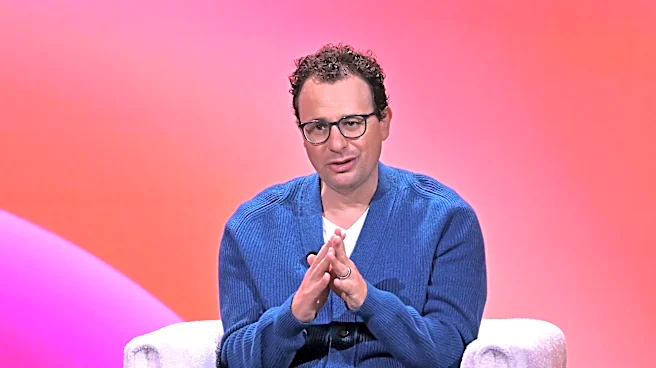
Jaan Tallinn, an Estonian programmer and investor, has amassed a fortune estimated at around $20 billion, largely due to his early investment in the leading AI startup Anthropic. According to Forbes, his initial investment of approximately $60 million
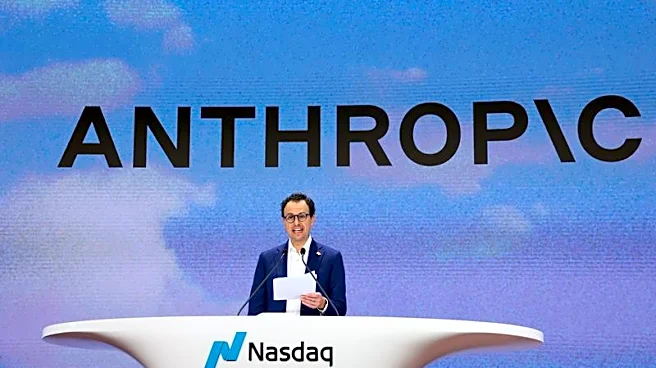
in Anthropic's first two funding rounds has grown to an estimated value of $18.3 billion, representing a return of about 305 times his original capital. This significant financial gain places him among the world's wealthiest individuals. Tallinn is also known for his early involvement in the creation of Skype. Paradoxically, Tallinn has been a vocal advocate for the safe development of artificial intelligence, consistently warning about the potential existential risks posed by advanced AI systems. His investment in Anthropic, a company founded by former OpenAI researchers with a strong focus on AI safety and controlled development, highlights a complex relationship between financial opportunity and ethical concerns within the rapidly evolving AI industry.
Why It's Important?
Tallinn's story underscores a critical dynamic in the current technological landscape: the immense wealth generation potential of artificial intelligence, even for those who express caution about its development. His financial success through Anthropic, a company prioritizing AI safety, suggests that a focus on responsible AI can also be a lucrative business strategy. This situation is important because it illustrates how early investments in groundbreaking technologies can lead to a significant redistribution of economic power. It also raises questions about the role of investors in shaping the ethical trajectory of powerful technologies. The rapid growth of AI companies like Anthropic creates new demands across various sectors, including computing infrastructure, energy, microprocessors, and specialized services, thereby fostering a new economic ecosystem where value is distributed among investors, infrastructure providers, and businesses that effectively integrate these new capabilities.
What's Next?
The ongoing development of AI, as exemplified by companies like Anthropic, will continue to shape the global economic and technological landscape. The tension between rapid technological advancement and the need for safety and ethical considerations will likely intensify. Governments, international organizations, and businesses are actively working to understand and regulate the economic and social implications of AI systems. The success of investors like Tallinn in companies that prioritize safety might encourage more investment in responsible AI development. However, the broader challenge remains: ensuring that the speed of wealth creation from AI is matched by a corresponding understanding and mitigation of its potential risks. The rules and norms governing the AI industry in the coming decade will be crucial in determining how this balance is struck.
Beyond the Headlines
Jaan Tallinn's journey presents a profound paradox: an individual who has publicly warned about the dangers of uncontrolled AI development has become a billionaire through an early investment in an AI company. This situation highlights the complex interplay between technological progress, economic power, and human responsibility. It challenges the traditional view of investment, where financial gain is the sole driver, by demonstrating that supporting companies with a strong ethical framework can also yield substantial returns. The story prompts a deeper reflection on whether market forces can incentivize the responsible development of powerful technologies. It also brings to the forefront the concentration of technological power and the ability of nations to maintain control over systems primarily developed by private enterprises. Tallinn's position, benefiting from a technology he urges caution about, serves as a potent symbol of our current era, where the pursuit of wealth and the imperative of safety are inextricably linked in the realm of artificial intelligence.