


What's Happening?
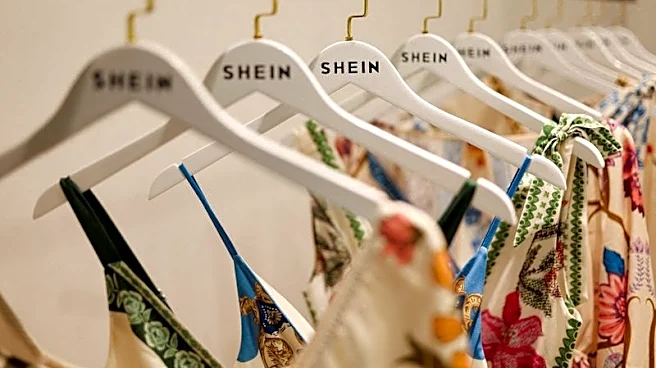
Fashion Week, traditionally a concentrated period, has expanded significantly, with womenswear alone now occupying almost four consecutive weeks across major capitals like New York, London, Milan, and Paris. The broader fashion calendar extends much further,
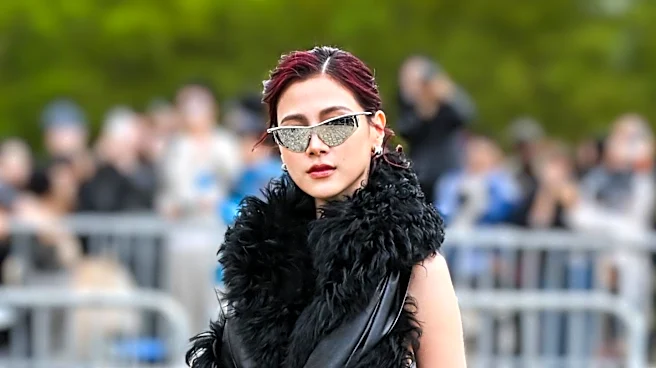
encompassing menswear, couture, pre-fall, resort, destination shows, and special projects throughout the year. This expansion means that the fashion season no longer arrives as a distinct period but as a continuous stream of notifications and events. While this offers more creative possibilities and platforms for emerging designers, it also creates immense pressure for brands to constantly produce new collections and imagery to maintain visibility. The focus has increasingly shifted from the garments themselves to the surrounding spectacle, such as celebrity front rows, elaborate installations, and social media buzz. For instance, a single front-row guest can account for a significant percentage of a house's Instagram engagement, and the earned media value (EMV) generated during Fashion Month is substantial, with brands competing for concentrated influence across social media.
Why It's Important?
The continuous expansion of Fashion Week and the relentless production cycle it demands pose significant challenges to the sustainability and creative integrity of the fashion industry. While it democratizes access and provides platforms for diverse voices, it also creates an environment of excess, both in terms of material output and content. This constant demand for novelty can lead to faster trend cycles, increased inventory, and pressure on businesses, especially when consumer purchasing power and attention have limits. The shift in focus from clothing to spectacle means that the garments themselves can become less efficient units of attention, with brand heat and celebrity associations often overshadowing the actual designs. This raises questions about what audiences are truly remembering from these events and whether the industry is prioritizing commercial value through sheer volume over thoughtful design and cultural impact. The economic implications are also significant, as brands compete for finite attention and resources in a crowded market, potentially leading to a 'Hunger Games'-like scenario where only the most visible or well-funded houses can thrive.
What's Next?
The fashion industry will likely continue to grapple with the tension between expanding visibility and maintaining creative focus. Designers and brands may explore alternative presentation formats that prioritize substance over spectacle, or seek ways to slow down the production cycle without losing relevance. There could be a re-evaluation of the traditional Fashion Week structure, potentially leading to more curated or less frequent events. Stakeholders, including consumers, designers, and industry leaders, may increasingly demand more sustainable practices and a greater emphasis on the artistry and craftsmanship of clothing. The role of social media will remain critical, but brands might need to develop more nuanced strategies to engage audiences beyond fleeting viral moments. Discussions around the ethical implications of relentless production and consumption are also expected to intensify, pushing the industry towards more responsible and mindful approaches to fashion creation and presentation.
Beyond the Headlines
The current state of Fashion Week reflects a deeper cultural phenomenon where attention itself has become a valuable commodity. In an age of constant digital stimulation, the fashion industry's struggle to capture and retain attention mirrors broader societal challenges in maintaining focus and appreciating depth. The shift from garment-centric shows to spectacle-driven events highlights how industries adapt to the demands of the 'attention economy,' often at the expense of their core product. This raises ethical questions about the true purpose of fashion—is it primarily about artistic expression, cultural commentary, or simply a vehicle for generating buzz and commercial value? The relentless cycle of production also has significant environmental implications, contributing to waste and overconsumption. Ultimately, the future of Fashion Week and the fashion industry may depend on finding a balance between accessibility, creative expression, and sustainable practices, moving beyond the current model of endless novelty and fleeting attention.