








What's Happening?
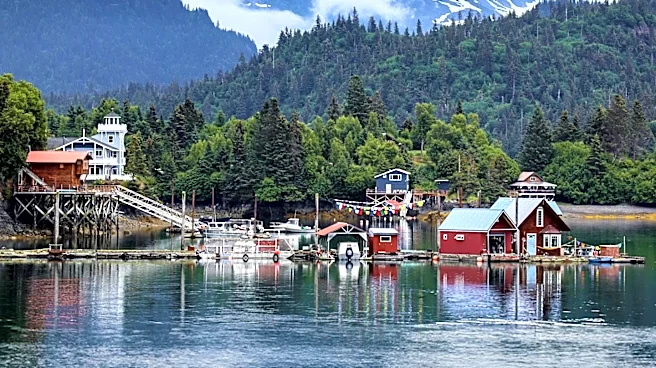
Arwa Moore, a former road traveler who lived in a converted blue school bus for two years, has moved to a remote island off the coast of Alaska. The move was prompted by her boyfriend's job, and she anticipated that her experience on the road would ease
the transition. The island, with a population of about 5,200 people and accessible only by boat or plane, presented a unique set of challenges and surprises. Moore expected isolation and limited conveniences but found a community and a new rhythm of life that she has come to appreciate. The transition from a nomadic lifestyle to a stationary one on the island has been marked by unexpected adjustments and a newfound appreciation for staying put.
Why It's Important?
This story highlights the broader trend of individuals seeking alternative lifestyles and the growing interest in remote living. Moore's experience underscores the challenges and rewards of adapting to life in isolated locations, which can appeal to those looking to escape urban environments. The move to a remote island also reflects a shift in lifestyle priorities, emphasizing community and simplicity over convenience and connectivity. This trend could influence real estate markets in remote areas and impact local economies as more people consider such moves. Additionally, it raises questions about the sustainability and accessibility of living in isolated regions, particularly in terms of resources and infrastructure.
What's Next?
As more individuals explore remote living, there may be increased interest in developing infrastructure and services in these areas to accommodate new residents. This could lead to economic growth and changes in local communities as they adapt to an influx of newcomers. Additionally, the experiences of people like Moore could inspire others to consider similar lifestyle changes, potentially leading to a broader cultural shift towards valuing simplicity and community over urban conveniences. The long-term impact on remote regions will depend on how they balance growth with preserving their unique characteristics and natural environments.
Beyond the Headlines
Moore's story also touches on the psychological and emotional aspects of transitioning from a nomadic to a stationary lifestyle. The move challenges preconceived notions about isolation and community, highlighting the importance of adaptability and resilience. It also raises ethical considerations about the impact of new residents on small communities and the environment. As more people seek out remote living, there may be a need for discussions around sustainable development and the preservation of local cultures and ecosystems.