




What's Happening?
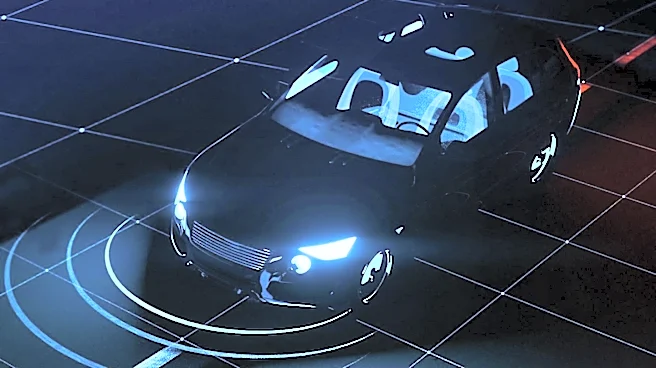
General Motors (GM) is utilizing advanced simulation technology at its Global Technical Center in Warren, Michigan, to develop and test future iterations of its advanced driver assistance systems (ADAS). Hundreds of volunteer drivers participate in a 360-degree
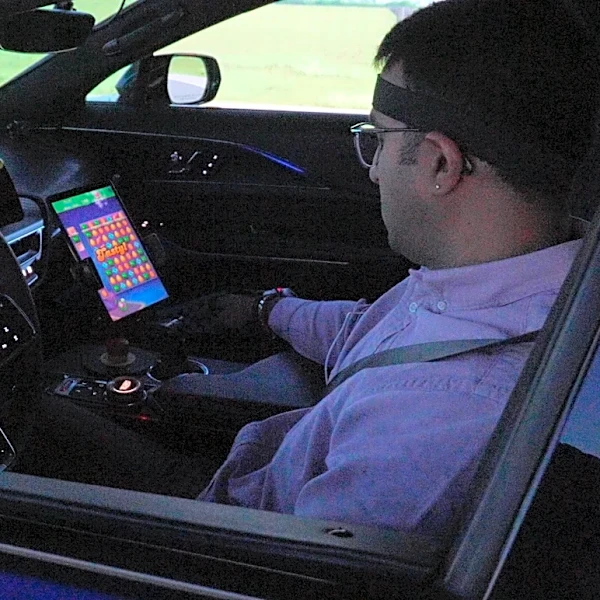
immersive environment, experiencing various computer-generated scenarios on highways and urban landscapes. These simulations measure drivers' eye movements, heart stress, and other reactions while they operate vehicles like the Cadillac Lyriq. The goal is to test both human response to the technology and the vehicle tech itself, particularly for 'eyes-off' driving capabilities. GM's current Super Cruise system, a hands-free assisted driving technology, is available in over 20 models across its brands and covers more than 630,000 miles of roads in the U.S. and Canada. The automaker aims to launch the next generation of Super Cruise, which will allow for safe 'eyes-off' driving, by 2028, with the Cadillac Escalade IQ luxury electric SUV being one of the first vehicles to feature it.
Why It's Important?
The development of 'eyes-off' driving technology by GM and other automakers represents a significant shift in the automotive industry, promising to redefine the driving experience. This advancement could offer drivers more free time during commutes, as they would no longer need to constantly monitor the road. The ability to engage in other activities like working or watching movies while the vehicle drives itself could enhance convenience and productivity for consumers. For automakers, this technology is not only a competitive differentiator but also a potential source of recurring revenue through subscription fees for these advanced features. The race to develop and deploy reliable 'eyes-off' systems is intense, with companies like Ford offering similar technologies such as BlueCruise. The success of these systems hinges on their safety and the public's trust, which GM is attempting to build through rigorous simulation and testing.
What's Next?
GM plans to launch its next-generation 'eyes-off' Super Cruise technology by 2028, with the Cadillac Escalade IQ luxury electric SUV expected to be among the first vehicles to incorporate it. The company will continue its extensive simulation testing, including unique methods like having drivers play 'Candy Crush' to assess attention and engagement. A key challenge moving forward will be navigating regulatory hurdles, as there is currently limited federal regulation governing these advanced systems. Automakers are often required to seek state-by-state approvals for deployment. The industry anticipates that as these systems become more advanced, consumers will be willing to pay recurring fees for the convenience and safety they offer. The long-term goal is to provide a level of autonomy that allows drivers to safely disengage from the driving task, transforming the in-car experience.
Beyond the Headlines
The pursuit of 'eyes-off' autonomous driving technology raises profound ethical and legal questions beyond the immediate technical challenges. The shift in responsibility from human driver to artificial intelligence in critical driving situations will necessitate new legal frameworks for liability in accidents. Furthermore, the concept of drivers being able to 'do other things in the cabin, whether that is looking at your phone, looking at your laptop, taking a meeting, watching a movie' while the vehicle is in motion could fundamentally alter the nature of travel and personal time. This could lead to a re-evaluation of how individuals use their commute time and the design of vehicle interiors. The widespread adoption of such technology could also impact employment in sectors like professional driving and reshape urban planning as the need for human-controlled vehicles potentially diminishes. The ethical implications of entrusting complex decision-making in dynamic environments to AI, especially in unforeseen circumstances, will remain a critical area of public and regulatory debate.