








What's Happening?
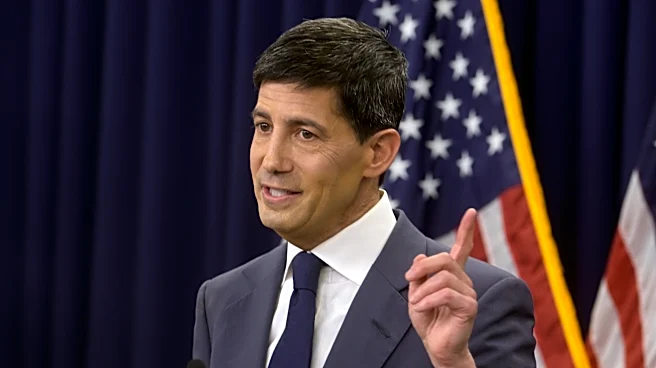
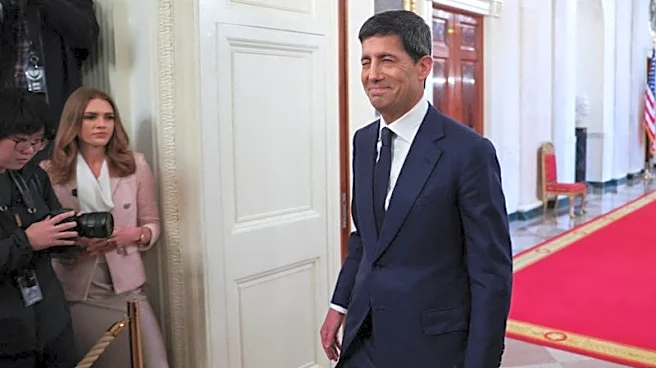
In his first meeting as Federal Reserve Chairman, Kevin Warsh maintained the benchmark interest rate but introduced several unexpected elements that left markets uncertain. Warsh's press conference reiterated the need for the Fed to fulfill its mandate
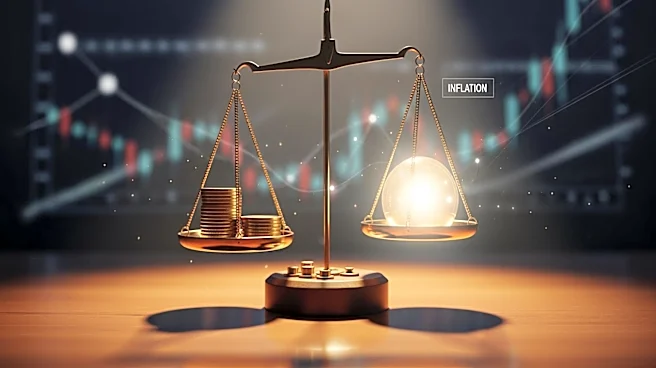
for price stability, echoing his previous hawkish views. The meeting marked the beginning of what some analysts describe as a new era of monetary policy in the U.S. Warsh's approach suggests a shift towards reform, with potential changes to the Fed's operating framework anticipated during his tenure. This has led to speculation about the future direction of U.S. monetary policy, with Warsh positioning himself as a reformer.
Why It's Important?
Warsh's leadership at the Federal Reserve could lead to significant changes in U.S. monetary policy, affecting economic stability and market dynamics. His focus on price stability and potential reforms may alter the Fed's approach to interest rates and inflation control. This shift could impact borrowing costs, investment strategies, and economic growth, influencing businesses, consumers, and investors. Warsh's tenure may also redefine the Fed's communication and operational strategies, affecting how monetary policy is perceived and implemented.
What's Next?
As Warsh continues to shape the Federal Reserve's policies, stakeholders will be attentive to any changes in interest rates and the Fed's communication strategies. The potential for reform and a new operating framework under Warsh's leadership will be closely watched, with implications for economic policy and market expectations. The broader impact of these changes will unfold over time, influencing economic growth and financial stability.