


What's Happening?
Volkswagen Group is facing a potential recall of approximately four million vehicles worldwide due to a faulty steering gear mounting bolt. This issue, discovered during internal quality checks, involves corrosion developing on the fastener after prolonged
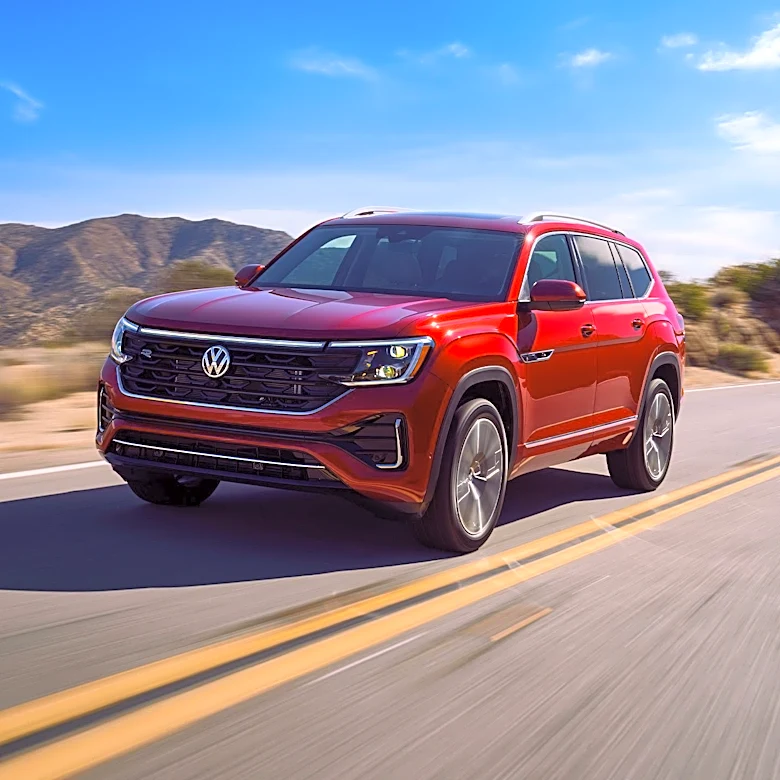
exposure to environmental conditions, particularly road salt. If the corrosion progresses, it can compromise the mounting and affect steering function. While Volkswagen has not reported any personal injuries or property damage related to this issue, the scale of the potential recall is significant. The Volkswagen-brand campaign alone could cover nearly 2.16 million vehicles globally, including models like the Golf, Tiguan, Touran, and Caddy produced between September 2013 and July 2024. Additionally, Audi Q3s (around 700,000), SEAT Ateca and Tarraco models, and over one million Skoda vehicles could also be affected. A related U.S. campaign covers certain Volkswagen and Audi SUVs, indicating the global reach of this problem.
Why It's Important?
This potential recall is significant as it could be Volkswagen Group's largest since the 'Dieselgate' emissions scandal. While the current issue is a safety defect rather than an emissions manipulation, the sheer volume of affected vehicles presents a substantial logistical and financial challenge for the company. The potential for steering failure, even if no injuries have been reported yet, poses a serious safety risk to consumers. For the U.S. market, the recall of Volkswagen and Audi SUVs highlights the importance of vehicle safety standards and the ongoing need for manufacturers to address potential defects. The incident could impact consumer trust in the brand, even though the fix is described as relatively simple. The scale of the recall also underscores how a seemingly minor component can lead to widespread issues across multiple vehicle lines and brands within a large automotive group.
What's Next?
Volkswagen Group will proceed with the recall, which involves replacing the faulty steering mounting fastener with a version offering improved corrosion resistance. The repair is estimated to take up to an hour per vehicle. However, the large scale of the campaign may lead to initial shortages of the specified replacement bolt, potentially requiring some owners to make two dealership visits: one for a temporary alternative fastener and another for the permanent solution. Vehicle owners will need to check their Vehicle Identification Number (VIN) to determine if their specific car is affected. The company will be working to manage the logistics of providing parts and scheduling repairs for millions of vehicles globally, including those in the U.S. The focus will be on ensuring the safety of affected vehicles and restoring consumer confidence.
Beyond the Headlines
This recall, while a conventional safety defect, highlights the complex challenges faced by global automotive manufacturers in ensuring the long-term durability of components across diverse environmental conditions. The impact of road salt, a common element in many regions, on critical vehicle parts underscores the need for robust material science and engineering in vehicle design. The incident also brings to light the intricate supply chain management required for such a massive recall, where even a small part can cause significant disruption. Ethically, Volkswagen's proactive discovery of the problem through internal quality checks, despite the potential for negative publicity, demonstrates a commitment to safety, contrasting with past controversies. This event could lead to increased scrutiny on component longevity and material selection within the automotive industry, particularly for parts exposed to harsh conditions.