

What's Happening?
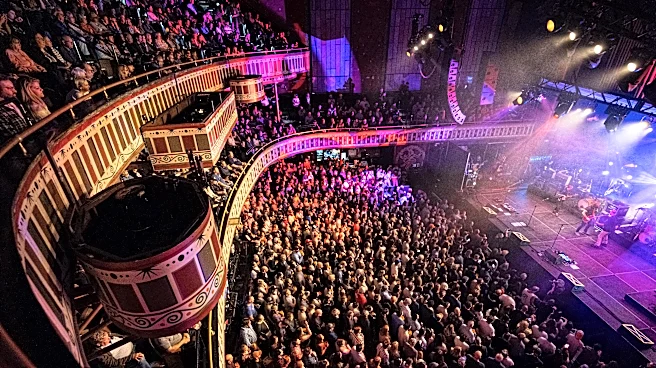
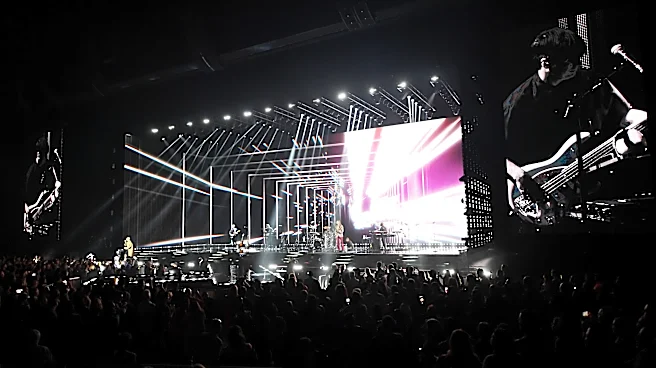
The live music industry is facing a significant challenge from automated bots that infiltrate digital ticket queues, acquiring large quantities of tickets before genuine fans can purchase them. These tickets are then resold at inflated prices, creating
a 'dystopian reality' where concert attendance becomes a luxury for those with the deepest pockets. A recent UK government study revealed that one ticketing platform alone blocked over 40 million bot attempts in a single month. This issue has led to artists, such as Garth Brooks, canceling shows due to bot overwhelming ticket sales, as seen in an October 2026 Kansas City matinee where 90,000 people in the queue were believed to be automated accounts. The problem extends beyond major acts, impacting smaller musicians who rely on live performances for revenue and audience building.
Why It's Important?
This trend is eroding the accessibility of live music, transforming what was once a communal experience into an exclusive commodity. When everyday fans are priced out, it dismantles a vital piece of social fabric and silences the collective energy that gives music its power. For artists, especially smaller ones, touring has become a crucial revenue stream due to changes in traditional music sales. The inability to reach genuine fans directly through fair ticketing systems threatens their livelihoods and opportunities for growth. The current system, where algorithms dictate access to art, prioritizes corporate profit over audience experience, leading to a generation that may lose its appetite for live performance due to the financial burden and frustration of securing tickets.
What's Next?
There is a growing call for industry-wide reform to combat bot-driven scalping. Artists like Radiohead are implementing measures such as advance registration and restricted resale to official channels at face value to ensure fair access. However, the burden of reform cannot rest solely on individual artists. True accountability requires promoters, venues, ticketing giants, and regulators to establish enforceable, industry-wide standards for mandatory buyer verification, strict purchase limits, and face-value resale. Tech platforms must be legally mandated to prove their safeguards are effective, with severe consequences for failure. Without these systemic changes, live music will continue to be held hostage by corporate inertia, impacting both artists and fans.
Beyond the Headlines
The issue of bot-driven ticket scalping extends beyond mere inconvenience; it raises ethical questions about equitable access to cultural experiences and the role of technology in mediating human interaction with art. The commodification of live music, driven by unchecked technological exploitation, reflects broader societal trends where essential experiences are increasingly subject to market forces that favor the wealthy. This situation also highlights a power imbalance within the music industry, where artists often have limited control over the distribution and pricing of their own work. The long-term implication is a potential shift in the cultural landscape, where the spontaneity and communal spirit of live music are replaced by a more transactional and exclusive model, fundamentally altering the relationship between artists and their audiences.