


What's Happening?
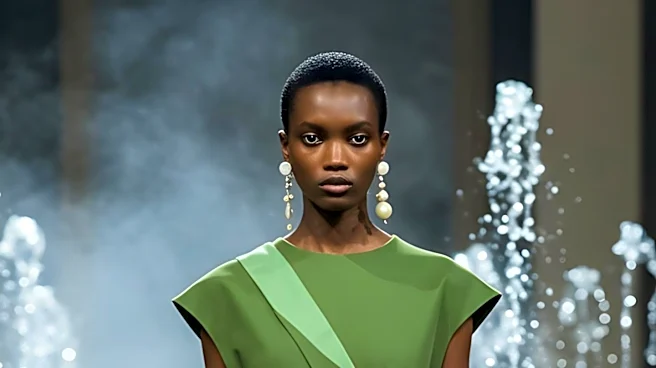
Red carpet fashion is moving towards dramatic silhouettes, individuality, and self-expression, with the bubble skirt emerging as a notable trend. Designers are utilizing exaggerated proportions and unique constructions to create sculptural and memorable
looks. Examples include Halle Bailey's sophisticated black and white mini dress, Amelia Gray's experimental transparent terrarium-style skirt at the 2024 Met Gala, and Michelle Yeoh's architectural Schiaparelli ensemble. Ariana Grande has also embraced voluminous gowns, demonstrating the visual impact of oversized silhouettes. Adwoa Aboah used a dramatic bubble skirt to reveal her pregnancy at the 2024 Met Gala, turning her outfit into a personal statement. This shift indicates a departure from previous trends focused on quiet luxury and minimalism, with a renewed emphasis on distinctive and impactful fashion choices. The versatility of the bubble skirt, whether through couture construction, transparent materials, or exaggerated fabric, allows designers significant room for experimentation with proportion and movement.
Why It's Important?
This evolution in red carpet fashion reflects broader shifts in consumer preferences and the fashion industry's direction. The emphasis on individuality and self-expression, as seen in the embrace of unique silhouettes like the bubble skirt, suggests a growing demand for distinctive and personalized styles over mass-produced trends. This could influence retail markets, prompting designers and brands to offer more diverse and avant-garde collections. The trend also highlights the power of celebrity influence, as red carpet appearances often set precedents for mainstream fashion. Furthermore, the increasing popularity of 'modest red carpet looks' indicates a significant market for fashion that combines glamour with coverage, catering to a wider range of preferences and cultural considerations. This could lead to more inclusive design practices and a greater variety of formal wear options available to the public, impacting how fashion is perceived and consumed across different demographics.
What's Next?
The continued prominence of dramatic and individualistic styles on the red carpet is likely to inspire upcoming fashion collections and consumer trends. We can anticipate designers further exploring exaggerated proportions, unique fabric manipulations, and personalized elements in their future offerings. The success of modest yet glamorous red carpet looks suggests a growing market for such styles, potentially leading to more brands incorporating these considerations into their formal wear lines. Fashion events and award ceremonies will continue to be crucial platforms for showcasing these evolving trends, influencing both high fashion and accessible retail. The focus on individuality may also encourage a greater appreciation for vintage and unique pieces, as consumers seek to differentiate their personal style. This could lead to a resurgence in demand for bespoke fashion and a move away from fast fashion, emphasizing quality and uniqueness.
Beyond the Headlines
The shift towards individuality and dramatic silhouettes on the red carpet extends beyond mere aesthetics, reflecting deeper cultural values. It signifies a move towards authenticity and personal storytelling through fashion, where clothing becomes a medium for self-expression rather than just adherence to trends. The embrace of 'modest red carpet looks' also highlights a growing awareness and respect for diverse cultural and personal preferences within the fashion industry. This inclusivity can challenge traditional notions of glamour and beauty, promoting a more varied and representative ideal. Furthermore, the emphasis on unique and often custom-made pieces could foster a more sustainable approach to fashion, encouraging investment in quality and longevity over disposable trends. This evolution suggests a more thoughtful and purpose-driven engagement with fashion, where personal identity and ethical considerations play a more significant role.