
What's Happening?
Pilates is a fitness system designed to improve physical strength, flexibility, posture, and mental awareness through deliberate movements. It focuses on training the deep muscles of the core, using breath to set the pace rather than external weights.
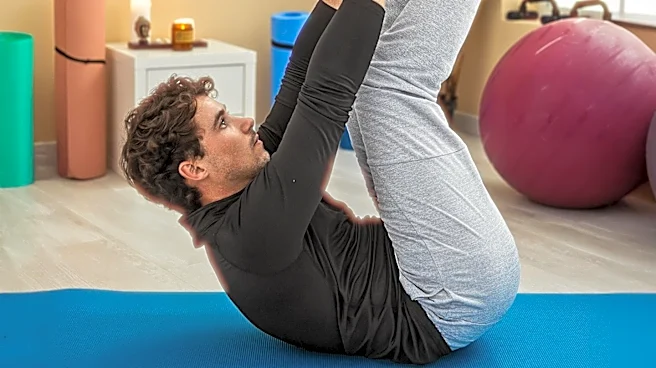
Joseph Pilates developed this method in the 1920s for rehabilitating injured individuals, and it has since become a widely recognized practice. The system emphasizes proper body alignment and utilizes the body’s natural movement to enhance overall strength, flexibility, and coordination. Reformer Pilates, performed on a specialized machine, offers adjustable resistance and support, making it suitable for various fitness levels. Mat Pilates, conversely, relies on body weight and gravity, making it accessible without specialized equipment. Both forms aim to build core strength, improve posture, and increase flexibility.
Why It's Important?
Pilates offers significant benefits for individuals across all ages and fitness levels, contributing to improved physical and mental health. Its emphasis on core strength directly translates to better posture and reduced risk of injury, which is crucial for a population increasingly engaged in sedentary lifestyles. The practice's focus on controlled movements and mind-body connection can lead to enhanced balance, coordination, and mental focus, positively impacting daily activities and overall quality of life. For those recovering from injuries or managing chronic pain, Pilates provides a low-impact yet effective way to rebuild strength and mobility. Furthermore, its adaptability, with options like mat or reformer classes and individualized instruction, makes it a versatile fitness solution that can be tailored to specific needs and goals, promoting long-term physical well-being.
What's Next?
The continued growth and adaptation of Pilates are expected, with studios offering diverse class types and personalized training options. As awareness of its benefits for core strength, flexibility, and injury prevention increases, more individuals are likely to incorporate Pilates into their fitness routines. The availability of both mat and reformer classes, along with specialized sessions for beginners, athletes, and those with specific health conditions, suggests a broadening appeal. Fitness centers and specialized studios will likely continue to expand their Pilates offerings, potentially integrating it with other wellness practices like yoga for a comprehensive approach to health. The focus on individualized instruction, particularly for those with unique physical needs or goals, indicates a trend towards more tailored fitness solutions.
Beyond the Headlines
Beyond its immediate physical benefits, Pilates fosters a deeper connection between the mind and body, promoting intentional movement and heightened self-awareness. This aspect can have profound psychological benefits, including stress reduction and improved mental well-being, as the deliberate focus required during exercises can act as a form of moving meditation. The practice challenges conventional notions of exercise by prioritizing precision and control over speed and intensity, encouraging a more sustainable and less injury-prone approach to fitness. Ethically, Pilates promotes inclusivity, as its adaptable nature allows individuals of varying physical capabilities to participate and progress. This holistic approach to health, integrating physical conditioning with mental discipline, positions Pilates as more than just a workout, but a lifestyle practice that can enhance overall human flourishing.