










What's Happening?
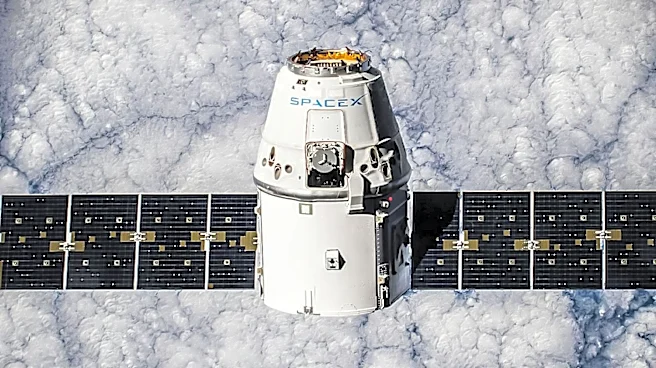
SpaceX successfully launched 24 Starlink satellites into low Earth orbit on June 28, 2026, from Vandenberg Space Force Base in California. The launch, carried out by a Falcon 9 rocket, is part of SpaceX's ongoing efforts to expand its broadband internet
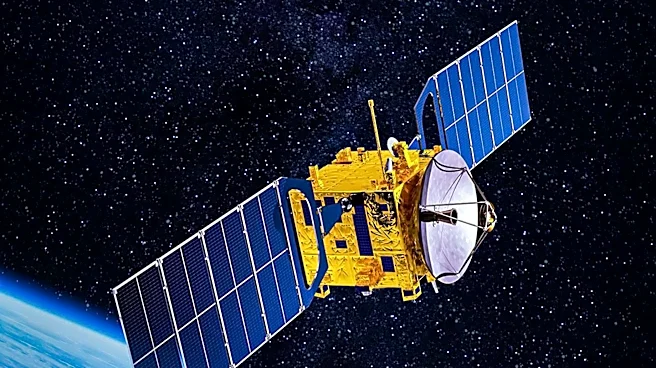
relay network. The satellites reached orbit approximately nine minutes after liftoff and were set to be deployed by the Falcon 9's upper stage about an hour later. This mission marked the 75th Falcon 9 launch of the year and the 17th flight for the rocket's first stage, which landed on the droneship 'Of Course I Still Love You' in the Pacific Ocean. The addition of these satellites brings the total number of active relays in the Starlink network to over 10,700, enhancing internet access globally, including in-flight wifi and cell-to-satellite services.
Why It's Important?
The expansion of the Starlink network is significant as it aims to provide high-speed internet access to underserved and remote areas worldwide. This development is crucial for bridging the digital divide, offering connectivity to regions lacking reliable internet infrastructure. The increased number of satellites enhances the network's capacity and reliability, potentially benefiting industries reliant on internet connectivity, such as telecommunications and remote work sectors. Moreover, SpaceX's continued success in satellite launches underscores its leadership in the commercial space industry, influencing market dynamics and encouraging further investment in satellite technology.
What's Next?
SpaceX is expected to continue its aggressive launch schedule to further expand the Starlink network. Future launches will likely focus on increasing satellite coverage and improving service quality. As the network grows, regulatory and competitive challenges may arise, particularly concerning frequency allocation and market competition with other satellite internet providers. Stakeholders, including governments and telecommunications companies, will be closely monitoring these developments to assess impacts on existing internet services and infrastructure.