






What's Happening?
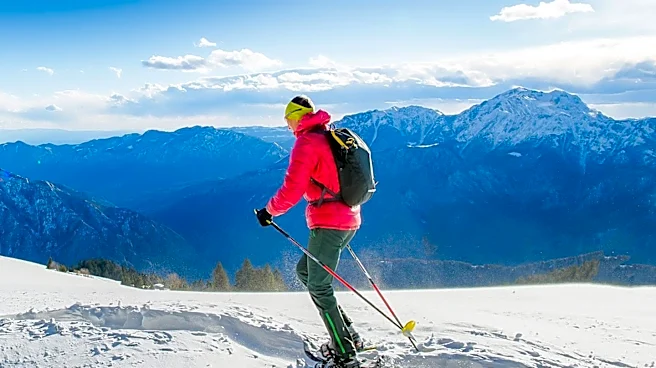
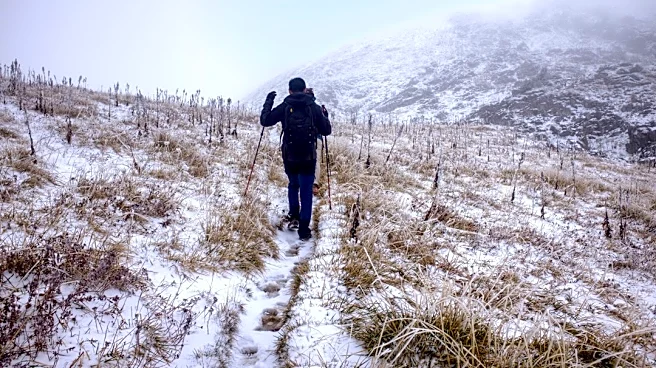
More than 92% of Quebec's land is public, transforming into a vast winter playground with abundant opportunities for ski touring, Nordic skiing, and multi-day snowshoeing. The province features an extensive network of groomed trails and ski tracks, supported
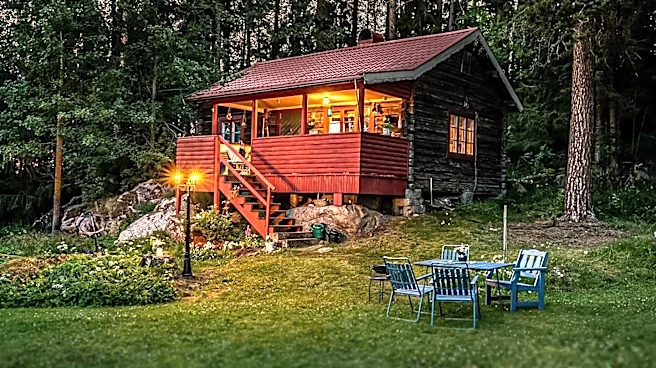
by an adventure-minded culture and infrastructure. Cozy rustic huts are available in high country, Nordic centers in lowlands, and numerous designated ski-touring areas. Indigenous peoples historically used snowshoes to navigate this territory, and today, these snow-covered landscapes provide countless avenues for exploration. Quebec boasts 28 national parks and dozens of Nordic and cross-country centers, alongside grassroots backcountry ski areas with trail maps and designated runs. While these backcountry sites lack avalanche mitigation, they offer infrastructure like parking and signage, serving as a stepping stone between sidecountry and true backcountry experiences. Visitors are advised to have appropriate training, equipment, and avalanche awareness, with certified guides available through Aventure Écotourisme Québec's Quality-Safety program.
Why It's Important?
The extensive public land and winter recreational infrastructure in Quebec offer significant economic and tourism benefits for the region. By providing diverse and accessible winter activities, Quebec attracts both local and international visitors, boosting local economies through lodging, dining, and equipment rentals. The emphasis on both groomed trails and backcountry experiences caters to a wide range of skill levels, from beginners to experienced adventurers, broadening its appeal. The historical context of Indigenous snowshoe use highlights a long-standing tradition of winter travel, enriching the cultural significance of these activities. The availability of certified guides and basic infrastructure in backcountry areas also promotes safer exploration, which is crucial for sustainable tourism and reducing risks associated with winter sports. This robust winter tourism sector contributes to job creation and supports local businesses, making it a vital component of Quebec's regional economy.
Beyond the Headlines
The vast public land in Quebec, dedicated to winter recreation, reflects a broader cultural value placed on outdoor activities and nature preservation. This commitment not only provides recreational opportunities but also fosters a connection between people and the natural environment. The integration of historical Indigenous practices, such as snowshoeing, into modern recreational offerings underscores a respect for traditional knowledge and a continuity of human interaction with the landscape. The balance between accessible, groomed trails and more challenging backcountry options suggests a comprehensive approach to outdoor recreation that caters to diverse preferences while promoting environmental stewardship. This model could serve as an example for other regions looking to develop sustainable tourism based on natural resources, emphasizing both accessibility and the preservation of wild spaces.