








What's Happening?
Israeli renewable energy company Solaer Renewable Energies is expanding into the data center market with plans to develop an AI-focused facility in Chile's Atacama region. The company has signed a long-term lease for 20,000 dunams (approximately 5,000
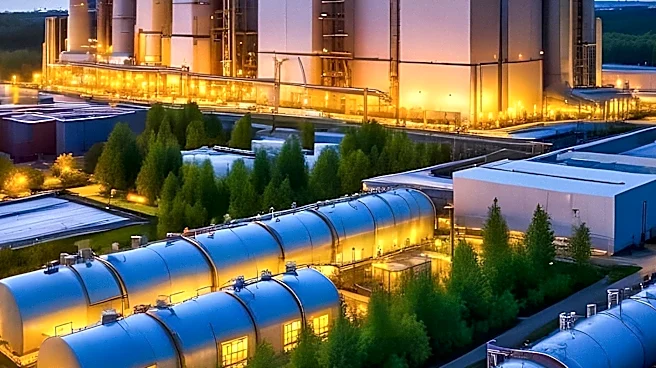
acres) of land in northern Chile, known for its high solar radiation levels. The planned data center will integrate renewable power generation, energy storage, and desalinated water infrastructure. This initiative is driven by the increasing global demand for data center capacity, fueled by the rapid expansion of artificial intelligence applications. Solaer's CEO, Alon Segev, highlighted the strategic advantage of the Atacama region's solar resources and existing infrastructure, which supports the integration of green energy production and data center operations.
Why It's Important?
The development of a renewable-powered data center by Solaer in Chile represents a significant step in aligning data center operations with sustainable energy practices. As the demand for AI applications grows, so does the need for large-scale computing infrastructure, which traditionally consumes vast amounts of energy. By leveraging renewable energy sources, Solaer aims to provide a sustainable solution that could attract data center operators, cloud providers, and AI developers. This project also underscores the increasing scarcity of locations that offer the necessary combination of renewable energy, water availability, and developable land, as global power grids face mounting pressure.
What's Next?
Solaer's project includes an initial 36-month evaluation period for feasibility studies, permitting, and development. If deemed feasible, the operational lease could extend up to 40 years. During this phase, Solaer has the option to cancel the agreement without penalties if the project is not viable. The success of this initiative could set a precedent for future data center developments, encouraging more companies to explore renewable energy solutions. Stakeholders in the tech and renewable energy sectors will likely monitor the project's progress closely, as it could influence future investments and partnerships.