




What's Happening?
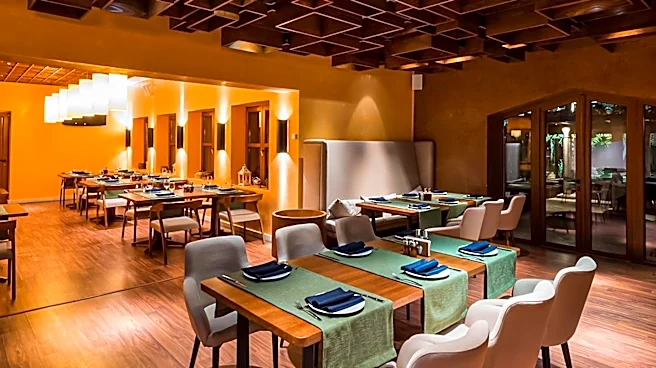
Hotel restaurants are increasingly transforming from mere amenities for overnight guests into vibrant neighborhood destinations, actively competing with standalone establishments. This shift is driven by hotels' need to maximize revenue beyond room bookings
and to create spaces that appeal to both travelers and local residents. The key to this transformation lies in intentional design decisions that allow flexibility in layout, lighting, service, and acoustics to accommodate different group sizes and usage patterns throughout the day. Successful hotel food and beverage (F&B) spaces are designed to evolve from morning coffee spots to lunch venues and evening cocktail lounges, creating a dynamic environment that attracts consistent local traffic and enhances the overall guest experience. This strategy helps hotels generate income even during periods of low occupancy.
Why It's Important?
This trend is important for the hospitality industry as it represents a significant evolution in how hotels operate and generate revenue. By attracting local patrons, hotel F&B outlets gain a stable customer base that is less susceptible to seasonal fluctuations and travel patterns, thereby diversifying income streams and improving financial resilience. For local communities, this means more dining options and vibrant social hubs, potentially revitalizing neighborhoods and fostering a stronger sense of community. The design principles involved, such as flexible layouts and distinct identities, also push the boundaries of architectural and interior design within the hospitality sector, leading to more innovative and engaging spaces. This shift benefits both hotel owners, by increasing profitability, and consumers, by offering more diverse and high-quality dining experiences.
What's Next?
The trend of hotel restaurants becoming neighborhood destinations is expected to continue, with more hotels investing in design and operational strategies to attract local clientele. This will likely involve further innovation in F&B concepts, greater integration with local culture, and continued emphasis on creating unique identities that resonate with the surrounding community. Hotels will likely focus on creating strong street presences and clear transition zones to invite locals in, while also ensuring operational efficiency to serve both hotel guests and a bustling local crowd. The industry may see increased collaboration between hotel brands and local artists, chefs, and businesses to create authentic and appealing experiences. This evolution will challenge traditional hotel F&B models and encourage a more dynamic and community-focused approach.
Beyond the Headlines
This development has deeper implications for urban planning and social dynamics. As hotel F&B spaces become more integrated into local communities, they can serve as catalysts for urban revitalization, drawing people into areas that might otherwise be overlooked. This blurring of lines between 'guest' and 'local' can foster a more inclusive and interconnected urban fabric, where hotels are not just places to sleep but active contributors to the social and cultural life of a city. It also raises questions about the authenticity of these spaces and how they balance corporate branding with local identity. The success of this trend will depend on hotels' ability to genuinely reflect and contribute to their local context, moving beyond generic hospitality aesthetics to create truly unique and beloved community gathering spots.