








What's Happening?
For individuals seeking to incorporate more protein into their morning meals but who are avoiding eggs due to allergies, dietary preferences, or simply a desire for variety, new breakfast alternatives are gaining prominence. These options provide substantial
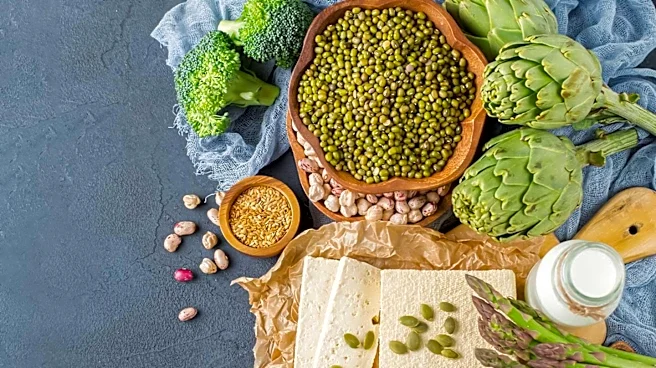
protein content, with many offering at least 15 grams per serving and some reaching 20 grams or more, ensuring sustained energy and satiety until lunchtime. Popular egg-free, high-protein breakfast ideas include overnight oats with strawberries and cream, which can deliver up to 24 grams of protein per serving. Other strategies involve adding protein powder to morning shakes, opting for high-protein, whole-grain toast, or consuming strained yogurts like Greek yogurt or skyr, which naturally contain more protein than regular yogurt. Plant-based alternatives such as tofu scrambles or egg replacers like Just Egg also offer an 'eggy' breakfast experience suitable for vegan diets.
Why It's Important?
The emergence of diverse high-protein, egg-free breakfast options is significant for several reasons within the U.S. market. It addresses a growing consumer demand for dietary flexibility, catering to individuals with egg allergies, those following vegan or vegetarian lifestyles, and anyone looking to diversify their protein sources. This trend reflects a broader shift in the food industry towards accommodating various dietary needs and preferences, moving beyond traditional breakfast staples. For public health, offering more protein-rich breakfast choices can help combat issues like mid-morning energy slumps and overeating later in the day, contributing to better weight management and overall nutritional intake. The availability of these alternatives also empowers consumers to make informed choices that align with their health goals and ethical considerations, fostering a more inclusive and adaptable food landscape.
What's Next?
As consumer interest in plant-based diets and allergen-friendly foods continues to grow, the market for egg-free breakfast options is likely to expand further. Food manufacturers and culinary innovators are expected to introduce more diverse products and recipes, focusing on both taste and nutritional value. We may see an increase in specialized protein powders, plant-based yogurts, and ready-to-eat breakfast meals designed to be egg-free and high in protein. Restaurants and cafes may also broaden their breakfast menus to include more of these alternatives, catering to a wider customer base. Furthermore, nutritional research may continue to explore the benefits of various protein sources, potentially leading to new recommendations and product developments in the egg-free breakfast category. Educational efforts promoting these alternatives could also help consumers discover new ways to meet their protein needs without relying on eggs.
Beyond the Headlines
Beyond the immediate dietary benefits, the rise of egg-free, high-protein breakfasts reflects deeper cultural and economic shifts. It signifies a growing awareness and acceptance of diverse dietary patterns, moving away from a one-size-fits-all approach to nutrition. This trend also highlights the increasing influence of ethical considerations, such as animal welfare and environmental sustainability, on food choices. The development of plant-based egg alternatives, for instance, represents significant advancements in food technology and innovation, aiming to replicate the sensory experience of traditional foods while adhering to specific dietary principles. Economically, this creates new market opportunities for food companies specializing in plant-based and allergen-friendly products, fostering competition and innovation within the food industry. This evolution underscores a broader societal movement towards more personalized, conscious, and sustainable eating habits.