




What's Happening?
Vulcan Energy Resources has completed a Prefeasibility Study (PFS) for Project Ludwig, its second phase of lithium and geothermal energy production in Germany’s Upper Rhine Valley Brine Field. The study indicates a pre-tax net present value (NPV) of €2.6
billion ($4.21 billion) and an internal rate of return of 25% over a 30-year operational period. Project Ludwig aims to produce 21,100 tonnes per annum of battery-grade lithium carbonate and 3,125 gigawatt hours per annum of renewable heat. This project is located approximately 60km north of Project Lionheart and demonstrates a 15% lower capital intensity on an equivalent lithium carbonate basis, with total capital expenditure estimated at €1.26 billion. The company plans to use an asset-level financing strategy to advance Project Ludwig to a final investment decision after Project Lionheart begins operations, and has initiated strategic partner selection for funding appraisal, permitting, and Definitive Feasibility Study activities.
Why It's Important?
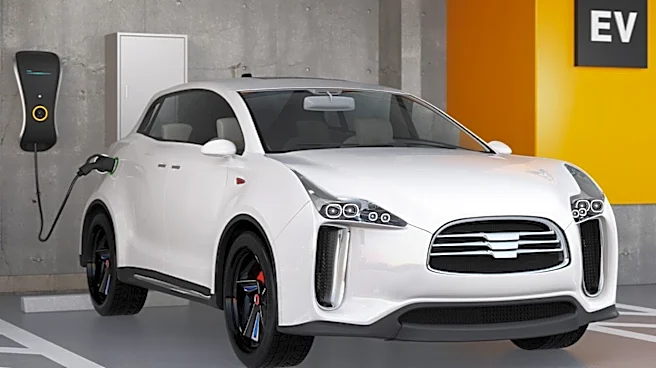
This development is significant for the U.S. and global markets as it contributes to the diversification and expansion of lithium supply chains, which are crucial for the electric vehicle (EV) and renewable energy sectors. The U.S. has a growing demand for battery-grade lithium carbonate to support its domestic EV manufacturing and energy storage initiatives. By increasing the global supply of lithium, Project Ludwig could help stabilize prices and reduce reliance on a limited number of producers, thereby enhancing supply chain security for American industries. Furthermore, the integration of renewable heat production with lithium extraction aligns with global decarbonization efforts, offering a more sustainable source of critical minerals. This project could also influence investment trends in critical mineral extraction and processing, potentially attracting more capital to similar ventures that combine resource extraction with renewable energy generation, benefiting U.S. companies seeking to secure their raw material supplies.
What's Next?
Vulcan Energy Resources plans to pursue an asset-level financing strategy to fund Project Ludwig, following the commencement of Project Lionheart. The company is actively seeking strategic partners to support the appraisal, permitting, and Definitive Feasibility Study phases. The successful execution of these steps will be critical for the project to reach a final investment decision. If successful, Project Ludwig will significantly contribute to the supply of battery-grade lithium carbonate and renewable heat, impacting the European and potentially the U.S. markets for electric vehicle batteries and sustainable energy. The company's approach of replicating the blueprint from Project Lionheart suggests a streamlined development process, which could accelerate the timeline for bringing this new source of lithium online. Future developments will likely involve securing necessary regulatory approvals and finalizing partnerships to move from the study phase to construction and operation.
Beyond the Headlines
The advancement of Project Ludwig highlights a broader strategic shift towards integrating critical mineral extraction with renewable energy production. This model not only addresses the increasing demand for materials essential for the energy transition but also aims to reduce the environmental footprint of mining operations. For the U.S., this trend is particularly relevant as it seeks to establish more resilient and environmentally responsible supply chains for critical minerals. The project's focus on battery-grade lithium carbonate underscores the intense global competition for high-quality materials needed for advanced battery technologies. The success of such integrated projects could set a precedent for future resource development, influencing policy and investment in sustainable mining practices worldwide. It also emphasizes the importance of international collaborations and technological innovation in achieving energy security and climate goals.