






What's Happening?
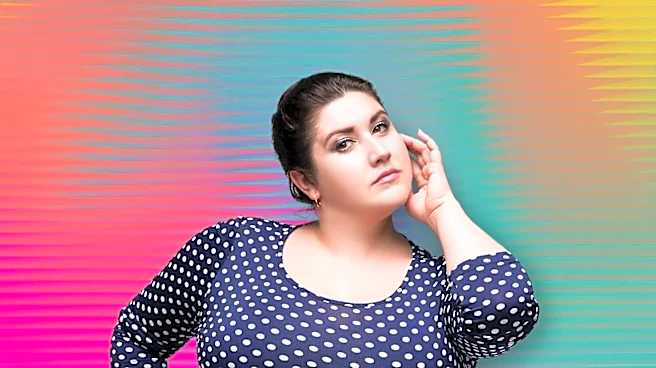
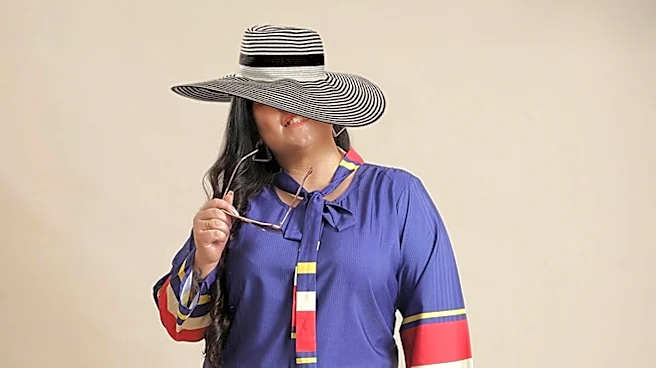
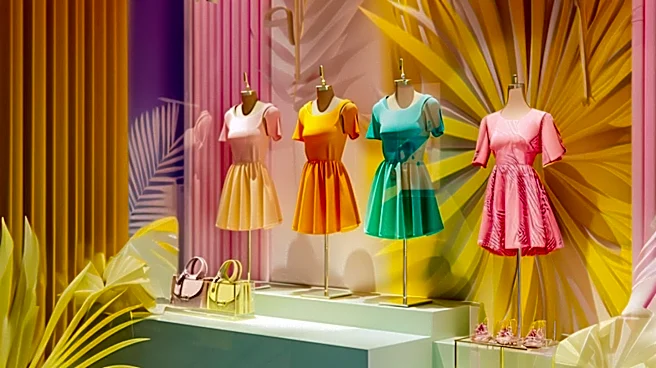
The fashion industry is increasingly catering to plus-size individuals, offering a variety of stylish summer options for those who wear size 14 and up. As summer arrives, many are looking for breathable fabrics, bright colors, and flattering silhouettes
that celebrate their bodies. The industry is responding with essentials like linen jumpsuits, flowy maxi dresses, high-waisted denim shorts, and versatile midi skirts. These pieces are designed to provide comfort and style, allowing individuals to enjoy summer events without compromising on fashion. The growing demand for inclusive designs is reflected in the estimated value of the global plus-size clothing market, which is projected to reach $349 billion by 2026.
Why It's Important?
The shift towards inclusive fashion is significant as it addresses the needs of a substantial portion of the population that has been historically underserved by the fashion industry. With the average American woman wearing between a Misses size 16 and 18, the demand for stylish and well-fitting clothing is high. This trend not only empowers individuals by offering them more choices but also reflects broader societal changes towards body positivity and acceptance. The economic impact is notable, with the plus-size clothing market expected to grow significantly, indicating a lucrative opportunity for brands willing to invest in this segment.
What's Next?
As the demand for plus-size fashion continues to grow, brands are likely to expand their offerings and innovate in design to cater to this market. This could lead to more collaborations with influencers and designers who specialize in plus-size fashion, further driving the trend. Retailers may also increase their marketing efforts to highlight their inclusive ranges, potentially leading to a shift in industry standards where plus-size options become a norm rather than a niche. Consumer feedback and sales data will likely guide future developments in this area.
Beyond the Headlines
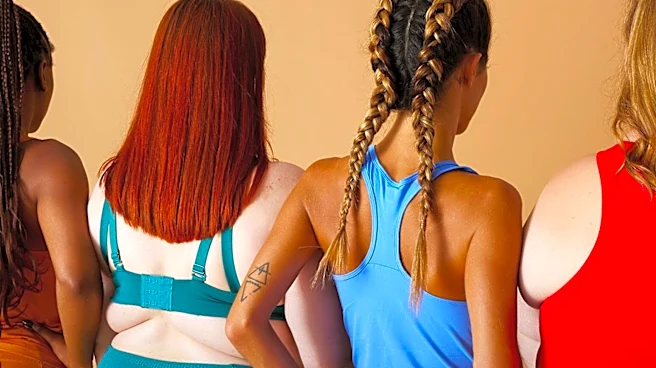
The move towards inclusive fashion has deeper implications for societal attitudes towards body image and self-esteem. As more brands embrace plus-size fashion, it challenges traditional beauty standards and promotes diversity in the fashion industry. This can lead to increased representation in media and advertising, fostering a culture of acceptance and inclusivity. Additionally, the focus on plus-size fashion may encourage other industries to reevaluate their offerings and marketing strategies to better serve diverse consumer needs.