





What's Happening?
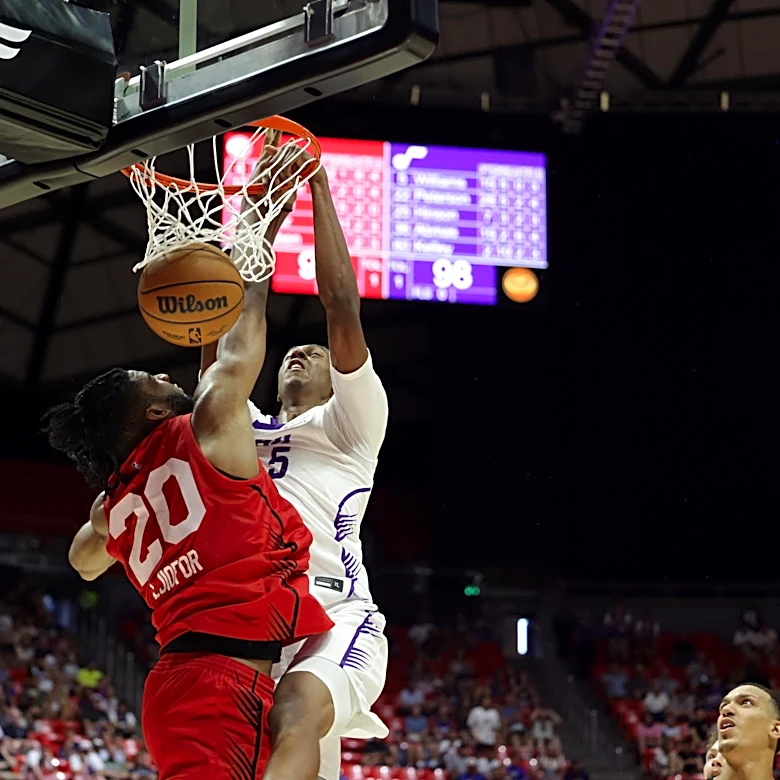
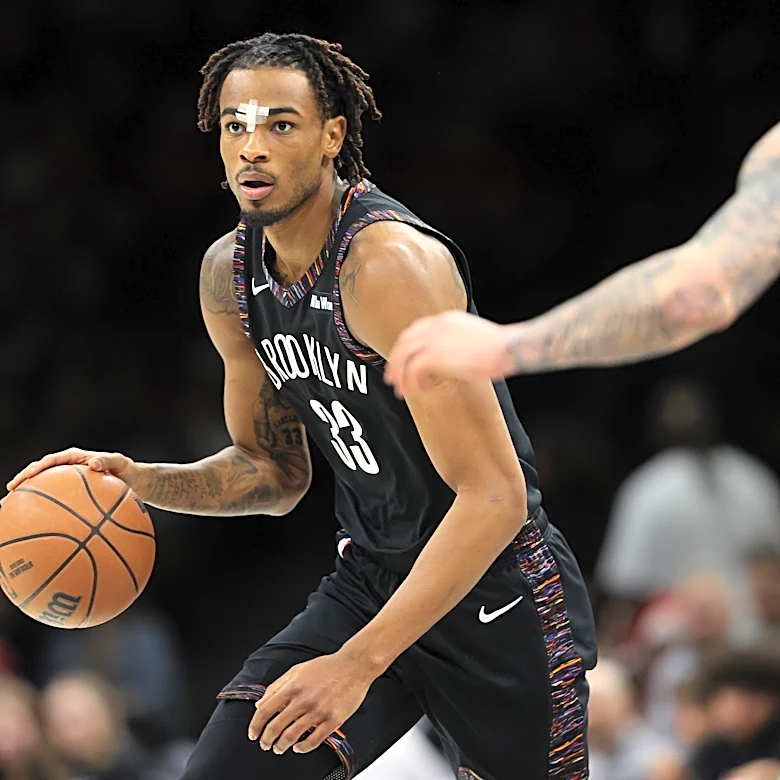
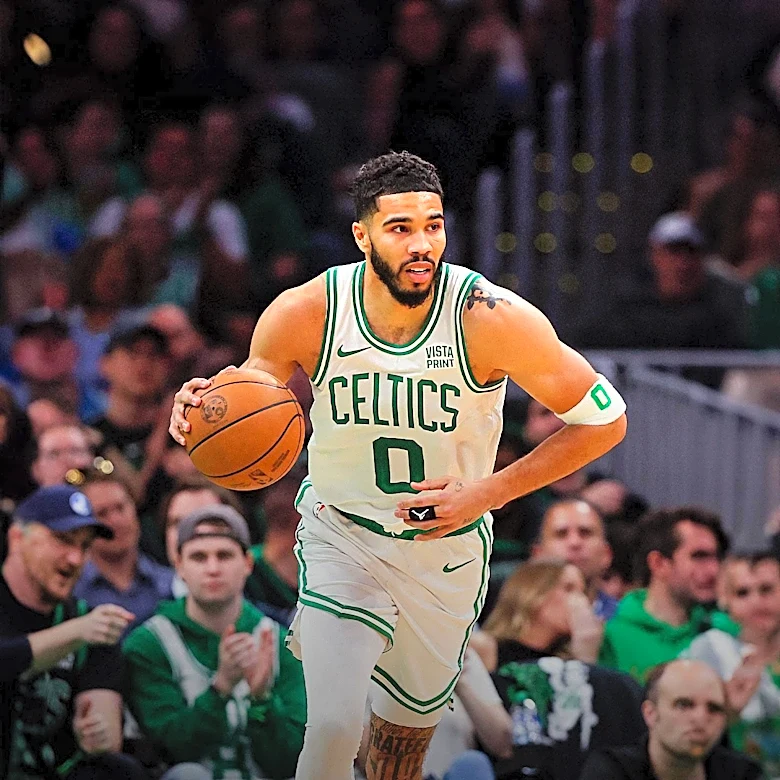
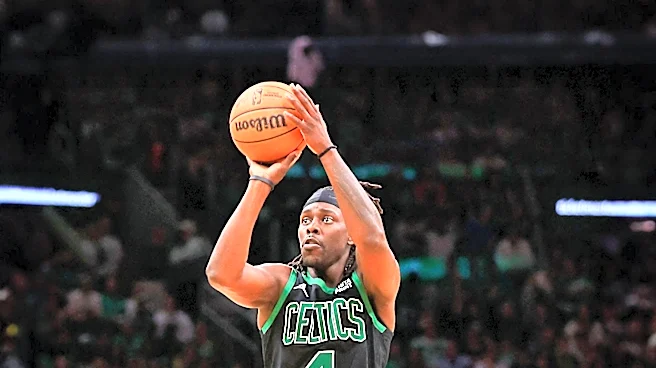
Mitchell Robinson, a new addition to the Boston Celtics, has disclosed the circumstances surrounding a hand injury he sustained just before the 2026 NBA Playoffs. Robinson, who previously played for the New York Knicks, shared that the injury was not
due to his known injury-prone nature but rather a result of personal issues. In a social media post, Robinson explained that he broke a bone in his hand due to emotional distress following a life-threatening car accident involving his brother. The incident left him feeling helpless and led to a moment of frustration where he injured his hand by hitting his truck. This injury required him to wear a brace throughout the postseason, during which the Knicks secured a title. Robinson emphasized the importance of understanding personal circumstances that may not be publicly known.
Why It's Important?
Robinson's revelation sheds light on the often-overlooked personal challenges athletes face, which can impact their professional performance. His transparency about the emotional turmoil and its physical manifestation highlights the need for mental health support within professional sports. For the Boston Celtics, understanding Robinson's background and current mental state is crucial as they integrate him into their team. This incident also underscores the broader conversation about mental health in sports, emphasizing that athletes are not immune to personal struggles. The Celtics and other teams may need to consider additional support systems for players dealing with similar issues.
What's Next?
As Robinson joins the Celtics, the team will likely focus on ensuring his physical and mental readiness for the upcoming season. This may involve providing access to mental health resources and support to help him manage personal challenges. The Celtics will also need to monitor his recovery from the hand injury to ensure he can contribute effectively to the team. Robinson's situation may prompt other teams to reassess their support structures for players, potentially leading to broader changes in how mental health is addressed in the NBA.