




What's Happening?
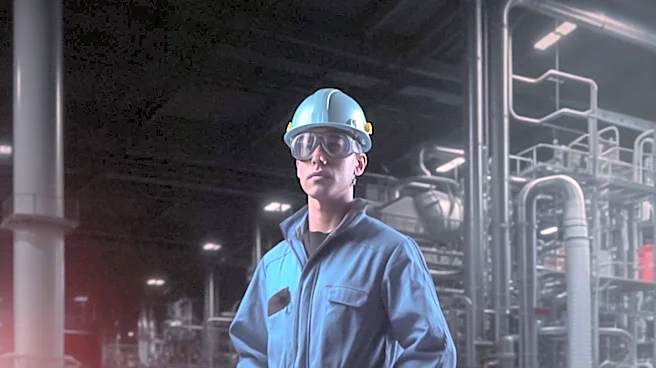
Safety training is considered non-negotiable for modern industrial workers due to the complex risks associated with their jobs, which can lead to equipment damage, downtime, and severe injuries. Even experienced employees face danger when procedures or equipment change,
necessitating a robust training program. This training aims to equip workers with the ability to identify potential problems before incidents occur, teaching them how to inspect equipment, use personal protective equipment, follow emergency procedures, and communicate concerns to supervisors. Understanding the 'why' behind safety rules is emphasized to encourage consistent adherence. Regular refreshers are vital to address changes in equipment, new processes, and recurring mistakes, with hands-on learning being particularly beneficial in industrial settings to allow workers to demonstrate safe task performance and for supervisors to identify knowledge gaps. The training also strengthens communication, empowering employees to report damaged equipment or unsafe behavior early.
Why It's Important?
The importance of comprehensive safety training extends beyond individual worker protection to significantly impact operational efficiency and financial stability for businesses. By preventing accidents, companies can avoid costly downtime, equipment repairs, and potential legal liabilities. A well-trained workforce is more productive, as employees are confident in their ability to perform tasks safely and efficiently. This proactive approach to safety fosters a positive work environment, boosting morale and reducing employee turnover. Furthermore, adherence to safety protocols, often reinforced by training, helps businesses meet regulatory compliance, such as OSHA requirements, thereby avoiding penalties and maintaining a good reputation. The investment in safety training ultimately contributes to a more resilient and sustainable industrial sector, benefiting both employers through reduced costs and increased productivity, and employees through a safer working environment.
What's Next?
To maintain high safety standards, ongoing and adaptive training programs are essential. This includes regular refresher courses to keep pace with technological advancements, new equipment, and evolving industry best practices. Employers should continuously evaluate the effectiveness of their training programs through performance assessments and incident analysis, making necessary adjustments to curriculum and delivery methods. The integration of both formal instruction and practical, hands-on exercises will remain crucial, especially for specialized tasks like forklift operation, where OSHA mandates specific training and evaluation. Furthermore, fostering a culture where employees feel empowered to report hazards and suggest improvements will be key to proactive risk management. This continuous cycle of training, evaluation, and adaptation will ensure that industrial workers are prepared for new challenges and that workplaces remain as safe as possible.
Beyond the Headlines
Beyond the immediate benefits of accident prevention, robust safety training programs contribute to a broader societal shift towards valuing worker well-being and ethical business practices. It underscores the principle that human life and safety should not be compromised for productivity or profit. This commitment to safety can enhance a company's brand image, attracting talent and customers who prioritize responsible corporate behavior. Moreover, the data collected from safety training and incident reporting can inform policy-making at local and national levels, leading to more effective regulations and industry standards. The emphasis on communication and empowerment within safety training also cultivates a more engaged and collaborative workforce, where employees are active participants in their own safety and the safety of their colleagues, fostering a culture of collective responsibility and continuous improvement.