






What's Happening?
Executives who frequently travel for work are being advised to adopt practical fitness plans to avoid disruptions to their health routines. The guidance emphasizes treating travel as a predictable part of their schedule rather than an exception. Key recommendations
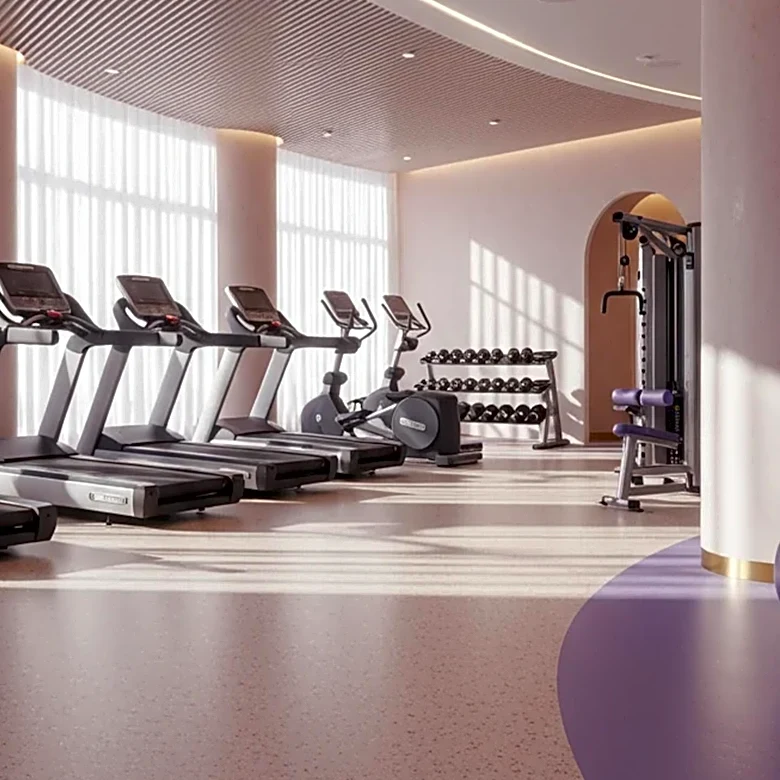
include planning workouts based on the actual itinerary, rather than optimistic assumptions, and utilizing short, purposeful sessions. For instance, a 30-minute workout appointment is deemed more effective than an unrealistic goal of five hotel workouts. Travelers are encouraged to check hotel fitness facilities in advance and adapt exercises to available equipment, such as dumbbells. The advice also extends to nutrition, suggesting pre-planning meals to ensure dependable food sources and making deliberate choices during client dinners. The goal is to integrate fitness and nutrition seamlessly into the travel schedule, preventing the need for a 'dramatic restart' upon returning home.
Why It's Important?
Maintaining a consistent fitness routine is crucial for the health and well-being of business executives, who often face demanding schedules and the stresses of travel. Disruptions to these routines can lead to decreased physical health, reduced energy levels, and potentially impact professional performance. By providing actionable strategies for integrating fitness into travel, this guidance helps executives sustain their health goals, which can translate into improved focus, resilience, and productivity in their professional roles. The emphasis on pre-planning and adaptability addresses common challenges faced by business travelers, such as limited time, unfamiliar environments, and irregular meal schedules. This approach benefits not only the individuals but also their organizations, as a healthier workforce is generally more efficient and less prone to health-related absences.
What's Next?
The continued adoption of these strategies by business travelers could lead to a broader shift in corporate wellness programs, with companies potentially offering more tailored resources and support for employees who travel frequently. Fitness and wellness coaches specializing in executive health may further refine and promote these travel-specific plans. As more executives successfully integrate fitness into their travel, there could be an increased demand for hotels and travel services that cater to these needs, such as better-equipped hotel gyms or healthier dining options. The focus on consistent, manageable routines is likely to become a standard recommendation for anyone whose work involves significant travel, fostering a culture where health is prioritized regardless of location.
Beyond the Headlines
The advice for business travelers highlights a broader societal challenge: integrating personal well-being into demanding professional lives. This isn't just about physical fitness but also mental resilience, as consistent routines can provide stability amidst the unpredictability of travel. The emphasis on planning and self-discipline reflects a growing recognition that individual health is a continuous responsibility, not something to be compartmentalized or deferred. This approach could influence how individuals manage other aspects of their lives, promoting a more holistic view of work-life integration. Furthermore, it underscores the ethical dimension of corporate responsibility, as companies increasingly recognize the value of supporting employee health beyond traditional benefits, acknowledging that a healthy employee is a more engaged and effective one.