


What's Happening?
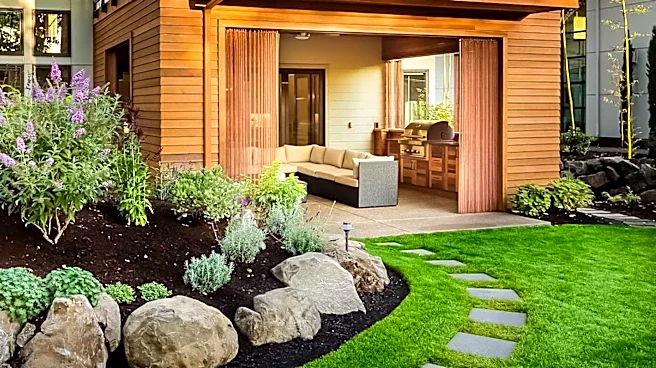
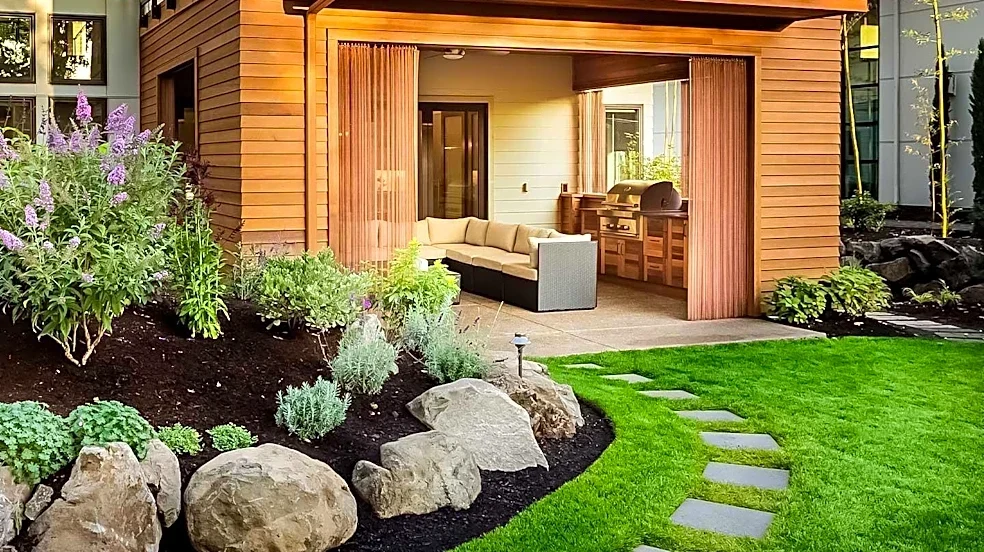
Designing outdoor rooms is being highlighted as a key strategy for creating sustainable homes and enhancing the well-being of residents. This approach emphasizes integrating outdoor spaces into home design to reduce the need for extensive interior floor
space, improve thermal comfort, and foster a connection with nature. A well-designed outdoor room, or alfresco area, can function as an additional living space for a significant portion of the year, particularly in climates that permit outdoor living. This can lead to building less overall, thereby reducing resource consumption. The design considerations include appropriate roofing to manage sun exposure throughout the year, ensuring shade in summer while allowing winter sun to warm the interior. Operable louvred roof structures are presented as a flexible solution to achieve this balance. The concept also involves considering the outdoor room as a thermal buffer zone that can pre-cool air in summer and promote warmer air circulation in winter, contributing to the home's energy efficiency.
Why It's Important?
The integration of outdoor rooms into home design holds significant importance for both environmental sustainability and personal well-being. By enabling homeowners to build less interior space, this approach directly contributes to reduced material consumption and a smaller carbon footprint associated with construction. The thermal buffering capabilities of outdoor rooms can lead to lower energy consumption for heating and cooling, thereby decreasing utility costs and environmental impact. Beyond energy efficiency, the emphasis on connecting with light, the outdoors, and the natural environment through these spaces is crucial for mental and physical health. Research consistently shows that access to nature improves well-being, reduces stress, and supports cognitive function. Therefore, designing homes that facilitate this connection can lead to healthier and more fulfilling lifestyles for occupants. This trend reflects a growing awareness of the holistic benefits of sustainable living, extending beyond mere energy savings to encompass quality of life.
What's Next?
As the understanding of sustainable living evolves, the focus on integrating outdoor rooms is likely to grow, influencing future architectural and landscape design practices. Homeowners and builders may increasingly prioritize flexible and multi-functional outdoor spaces that adapt to varying weather conditions and personal needs. This could lead to further innovations in roofing designs, such as advanced operable systems, and the development of more sophisticated climate-responsive outdoor room solutions. There will likely be a continued emphasis on selecting sustainable materials for hardscaping and landscaping that minimize environmental impact, such as those that manage stormwater runoff and reduce heat absorption. Furthermore, the trend suggests a greater collaboration between architects, landscape designers, and homeowners to create cohesive indoor-outdoor living experiences that maximize both functionality and environmental benefits. Educational resources and tools, like sun angle apps, will become more prevalent to assist in optimizing these designs for specific site orientations and climates.
Beyond the Headlines
The concept of designing outdoor rooms as a sustainability asset delves into deeper implications regarding our relationship with built environments and nature. It challenges the traditional notion of a home as a strictly enclosed space, advocating for a more fluid boundary between indoors and outdoors. This shift can lead to a re-evaluation of urban planning and residential development, promoting designs that prioritize green spaces and natural light even in dense areas. Ethically, it encourages a more responsible approach to land use and resource consumption, moving away from oversized, energy-intensive homes towards more efficient and integrated living solutions. Culturally, it reflects a growing desire for a lifestyle that values connection to nature and outdoor activities, potentially influencing social norms around leisure and home life. The long-term shift could see a greater emphasis on biophilic design principles, where natural elements and processes are incorporated into modern architecture, fostering a deeper appreciation for ecological balance and human well-being within the built environment.