


What's Happening?
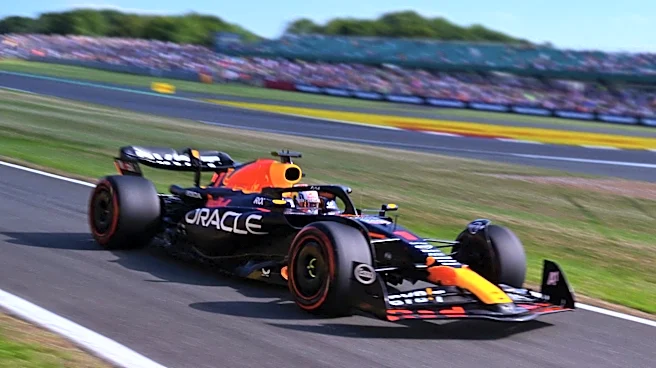
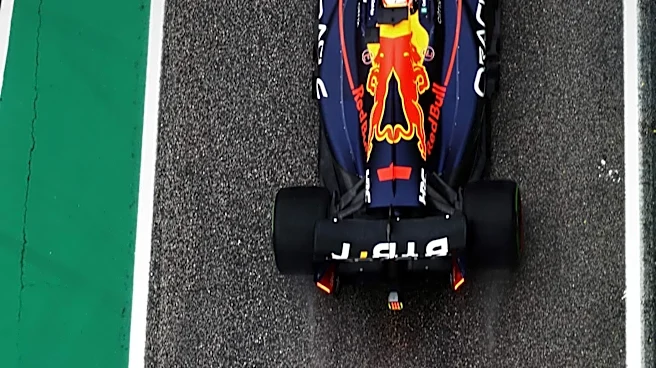
Red Bull Racing is adjusting its development strategy in response to the new Formula 1 regulations introduced this year. The team, led by Laurent Mekies, has implemented numerous updates to their vehicles to address initial performance deficits. These
changes are part of a broader effort to remain competitive under the constraints of a budget cap. Mekies acknowledges the challenge of maintaining the current pace of development but emphasizes the importance of finding ways to extract additional performance. The team is also planning to shift focus towards the 2027 season earlier than in previous years, as the regulatory framework is now stable.
Why It's Important?
The strategic adjustments by Red Bull Racing highlight the ongoing impact of regulatory changes on Formula 1 teams. The introduction of new vehicle and engine regulations has created a dynamic environment where teams must continuously innovate to stay competitive. Red Bull's proactive approach to development underlines the importance of adaptability in the face of budget constraints. This situation reflects broader industry trends where financial and technical regulations are shaping team strategies. The ability to efficiently manage resources while pursuing performance gains is crucial for success in the highly competitive Formula 1 landscape.
What's Next?
As Red Bull Racing continues to refine its strategy, the team will likely focus on optimizing their current vehicle setup while preparing for future seasons. This involves balancing immediate performance improvements with long-term development goals. The team's decision to prioritize 2027 development earlier than usual suggests a strategic shift towards sustained competitiveness. Other teams may also adjust their strategies in response to Red Bull's moves, potentially leading to a ripple effect across the Formula 1 grid. The ongoing evolution of team strategies will be a key factor in determining the competitive hierarchy in upcoming seasons.