







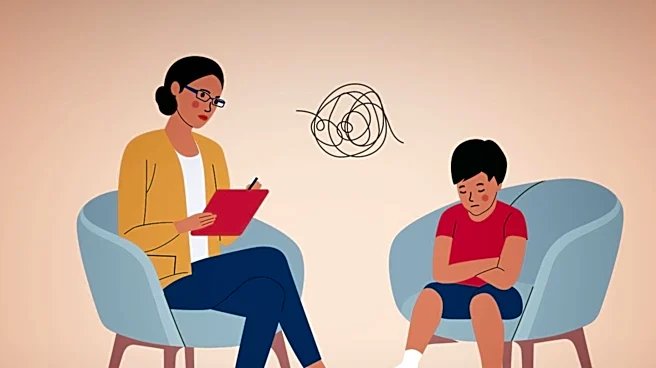
What's Happening?
Psychotherapy is a broad term encompassing various psychological treatments aimed at changing troubling thoughts, feelings, behaviors, or relationships. Psychoanalysis, originating from Sigmund Freud's work in the late 19th and early 20th centuries, is one
specific approach within psychotherapy. Traditional psychoanalysis is intensive, often involving multiple weekly sessions where patients may lie on a couch and engage in free association to bring unconscious influences into awareness. In contrast, modern psychotherapy includes diverse approaches like cognitive behavioral therapy and family therapy, which often involve collaborative goal-setting, behavioral experiments, and more active therapist roles. While psychoanalysis focuses on unconscious processes and early experiences, contemporary psychotherapy is more varied, with many approaches not involving the traditional couch setting or the same intensity.
Why It's Important?
Understanding the distinction between psychotherapy and psychoanalysis is crucial for individuals seeking mental health support in the U.S. The term 'therapy' is often used generically, but the effectiveness and approach can vary significantly depending on the specific type. This clarity helps individuals make informed decisions about their treatment, ensuring they choose an approach best suited to their needs and mental health concerns. For the healthcare industry, this distinction highlights the evolution of mental health care, moving from a singular, intensive model to a more diverse, evidence-based, and collaborative landscape. It also underscores the importance of matching specific therapeutic interventions to particular problems, rather than viewing all 'therapy' as interchangeable.
What's Next?
As mental health awareness grows, there will likely be an increased demand for clear information regarding different therapeutic modalities. Mental health professionals and organizations will continue to educate the public on the various types of psychotherapy available, emphasizing their unique methodologies and evidence bases. The trend towards more collaborative and less intensive forms of therapy is expected to continue, making mental health support more accessible and less intimidating for many. Research will also likely continue to evaluate the effectiveness of different psychotherapeutic approaches for specific conditions, further refining treatment guidelines and helping individuals and practitioners make more targeted choices.
Beyond the Headlines
The evolution from traditional psychoanalysis to diverse psychotherapeutic approaches reflects a broader shift in our understanding of the human mind and mental well-being. It moves away from a singular, often lengthy and costly, model towards more pragmatic, goal-oriented, and accessible interventions. This shift has ethical implications, as it emphasizes patient autonomy and collaboration in treatment decisions. Culturally, it signifies a move towards demystifying mental health treatment, making it less about uncovering deep-seated unconscious conflicts and more about practical strategies for improving daily life. This development also influences public policy regarding mental health coverage and the training of mental health professionals, advocating for a wider range of skills and approaches to meet diverse societal needs.